The Role of Local Nonprofits Events in Community Life
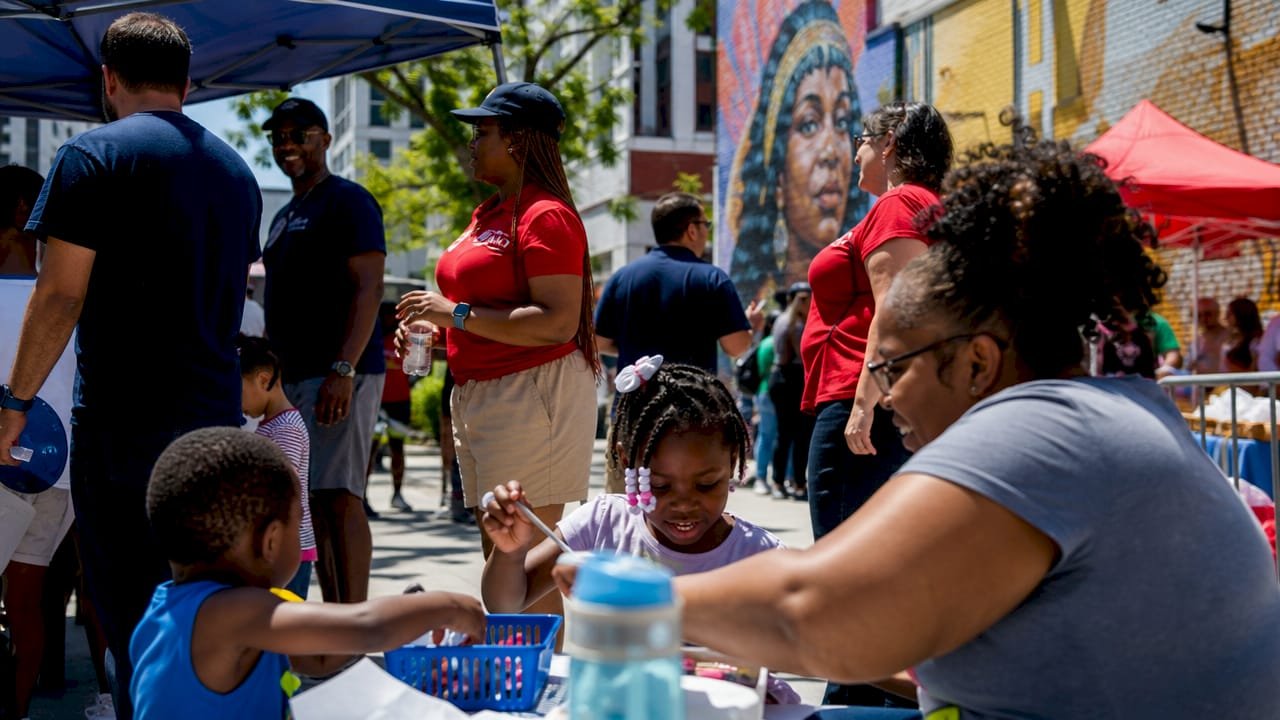
Local nonprofit events are gatherings organized by charitable organizations to unite community members around shared social causes, raise funds, and build lasting civic connections. The role of local nonprofits events extends well beyond a single fundraising night. These programs serve as the primary mechanism through which organizations convert public goodwill into measurable social change. Nonprofits use events to engage residents, generate donations, and create the kind of face-to-face relationships that sustain long-term missions. Thecentralgeorgian covers these events regularly because their impact on Central Georgia communities is direct and documented.
How do local nonprofit events build community identity?
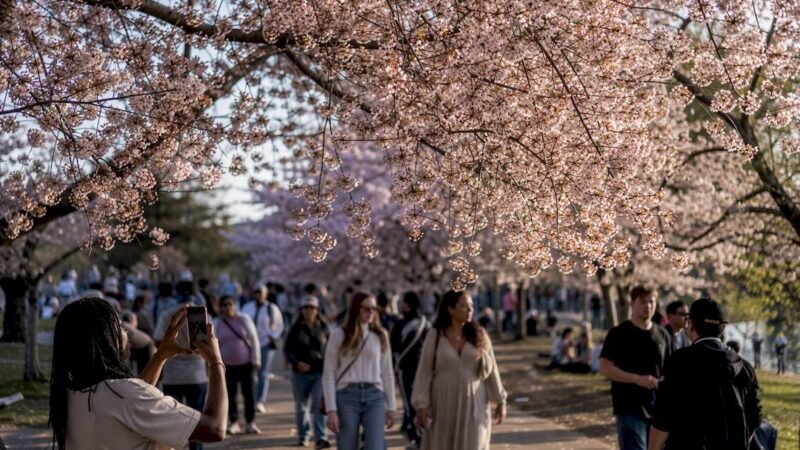
Local nonprofit events function as social integration mechanisms, creating temporary neutral spaces where residents set aside divisions and renew shared identity. Research on civil society organizations confirms that festive rituals renew social bonds and help communities overcome parochialism and political division, especially in the years following the COVID-19 pandemic. That finding matters because it reframes events not as optional extras but as functional necessities for community health.
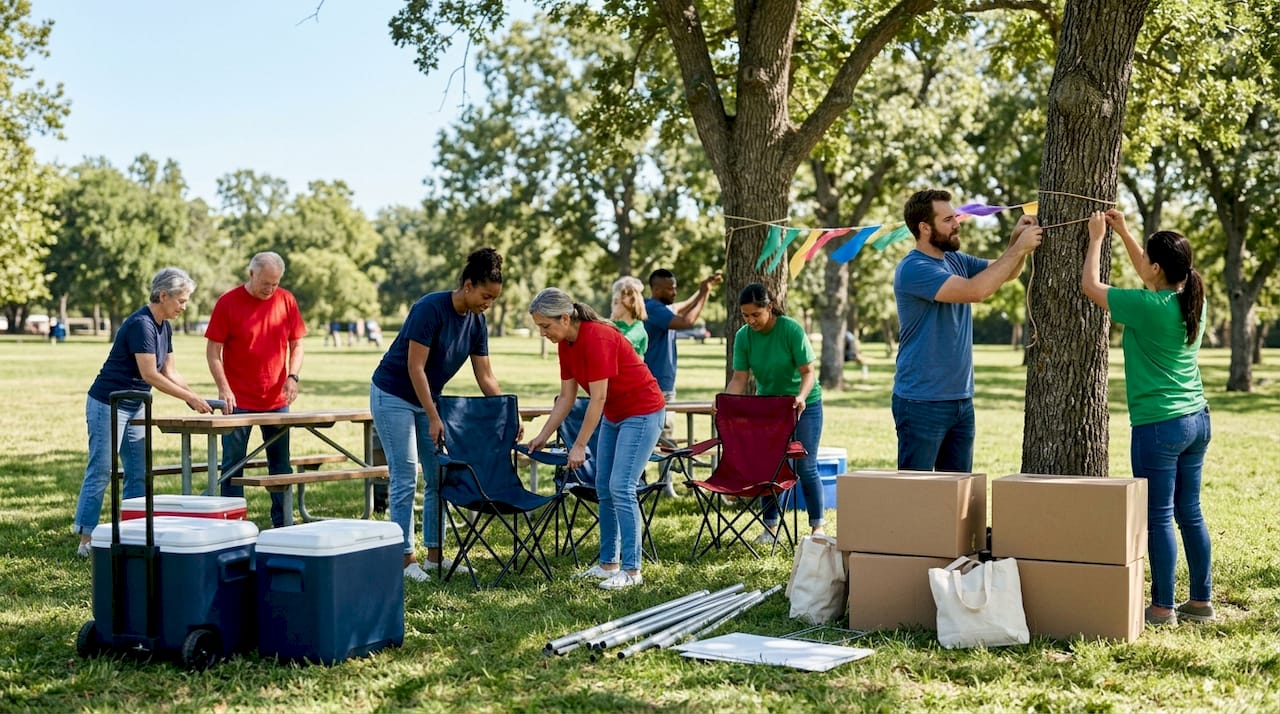
When a neighborhood gathers for a charity walk, a community art show, or a nonprofit breakfast, something practical happens. People who would never otherwise interact share space, conversation, and purpose. Habitat for Humanity’s World Habitat Day Breakfast is a documented example: nonprofit special events turn attendees into advocates who carry the mission forward long after the event ends.
Events can also cause friction when organizers ignore local culture. Prioritizing local vendors over national suppliers prevents the resident frustration that undermines community goodwill. The lesson is direct: events that source locally and reflect local identity build trust, while events that import everything signal indifference to the community they claim to serve.
“Events act as community glue, temporarily setting aside divisions to renew shared identity and cohesion. When that glue is applied with care, it holds for years.”
- Interactive elements, such as live voting, skill demonstrations, and participatory art, increase involvement longevity.
- Cultural programming tied to local history gives residents a personal stake in attendance.
- Inclusive design, meaning accessible venues and multilingual materials, signals that all residents belong.
Pro Tip: Survey attendees after each event with three questions: What brought you here? What would bring you back? Who else should know about this? The answers will shape your next program more accurately than any planning template.
What strategies do nonprofits use to organize impactful events?
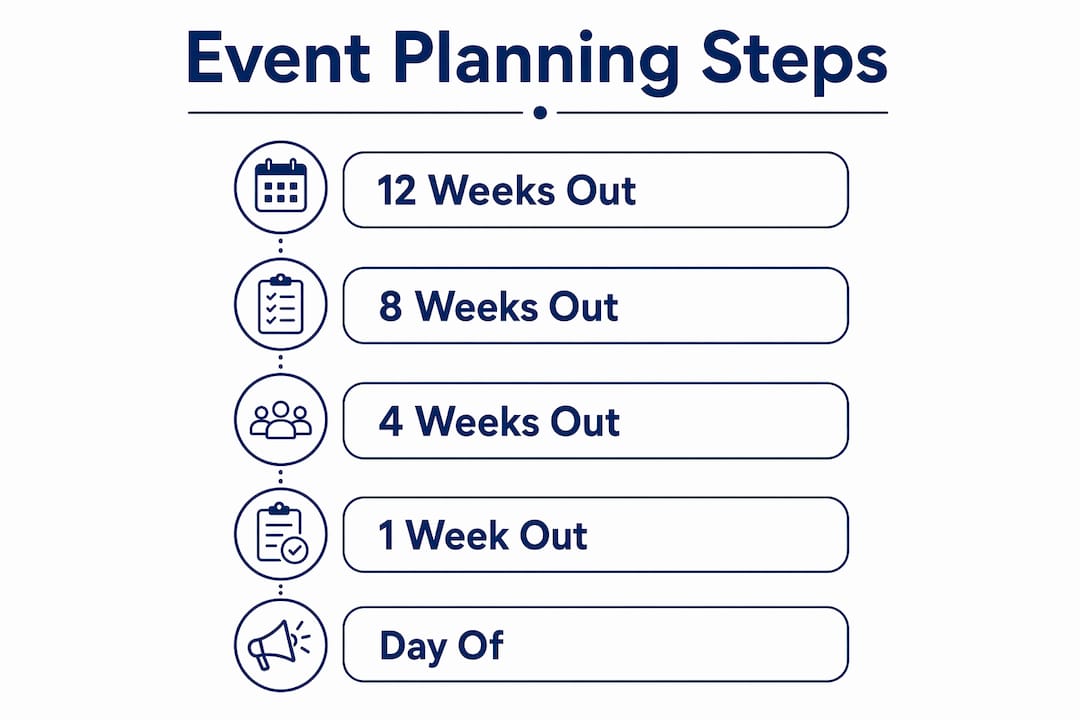
Effective nonprofit event planning follows a staged process with clear timelines. Start planning at least 12 weeks ahead by defining purpose, securing a venue, building a team, and launching promotion. That 12-week window is not arbitrary. It reflects the minimum time needed to recruit volunteers, confirm logistics, and generate community awareness through local channels.
Volunteer staffing is a precise science, not an estimate. The standard guideline calls for 1 volunteer per 10–15 attendees, with core organizing teams of 7 people to balance workload without creating coordination bottlenecks. Understaffed events produce poor attendee experiences, which directly reduces donor retention.
Venue sizing is equally specific. Designing for 60–70% capacity create better energy and social proof than filling a space to its limit or leaving it half empty. A room that feels comfortably full signals momentum. A room that feels sparse signals failure, regardless of the actual attendance number.
The following steps reflect a proven planning sequence for community nonprofit events:
- Define the event’s primary purpose before booking anything. Fundraising, awareness, and volunteer recruitment each require different designs.
- Secure the venue at 10–12 weeks out and confirm it fits 60–70% of your projected attendance.
- Build your core team of 7 and assign clear roles: logistics, volunteer coordination, communications, and donor relations.
- Recruit volunteers at the 1-per-10–15-attendees ratio and brief them on attendee backgrounds before the event.
- Launch hyper-local messaging that names specific families or neighborhoods your mission serves.
- Evaluate within 48 hours using attendance data, funds raised, and volunteer feedback.
Pro Tip: Prepping volunteers with brief attendee bios before the event produces meaningful donor connections that no amount of decor can replicate. A volunteer who knows a guest’s name and interest creates a relationship. A volunteer who does not creates a transaction.
| Planning phase | Timeline | Key action |
|---|---|---|
| Purpose and scope | 12 weeks out | Define goals, budget, and success metrics |
| Venue and team | 10 weeks out | Book venue at 60–70% capacity, assign core team |
| Volunteer recruitment | 8 weeks out | Recruit at 1-per-10–15-attendees ratio |
| Promotion | 6 weeks out | Launch hyper-local messaging with named beneficiaries |
| Event execution | Day of | Brief volunteers on attendee profiles |
| Post-event review | Within 48 hours | Collect data, send thank-you messages, log donor notes |
What are the fundraising and relationship benefits of nonprofit events?
Nonprofit events generate two types of value: visible and invisible. Visible value is the funds raised on the night. Invisible value is donor retention measured by consecutive year giving, advocacy generated by attendees, and the long-term relationships that sustain a mission across decades. Organizations that measure only the check total miss the larger return.
Broad-based community fundraising models demonstrate what scale looks like when events are designed for inclusion. One regional fundraiser raised $4.9 million for 50 nonprofits over 22 years by engaging every economic sector, from billionaires to bus riders. That model works because it removes the social barrier that makes many charity events feel exclusive.
Peer-to-peer events produce strong returns at smaller scales. One documented example involved 22 teams, 1,000 attendees, and $150,000 raised over 10 years. That consistency reflects the power of personal connection: participants fundraise from their own networks, which multiplies reach without multiplying organizational cost.
“The true value of a nonprofit event is not what you raise on the night. It is who comes back the following year, and who they bring with them.”
The shift from transactional to relational event models is the most significant change in nonprofit event design. Key benefits of the relational approach include:
- Donors who attend events give more consistently over time than those who only receive direct mail.
- Attendees who feel personally connected to a cause are more likely to recruit new donors from their own networks.
- Hyper-local messaging using concrete beneficiary stories outperforms abstract mission statements in generating emotional commitment and repeat giving.
- Social proof created by a well-attended event encourages fence-sitters to participate the following year.
How can community members engage with local nonprofit events?
Community members engage with nonprofit events in four distinct roles, each with different levels of commitment and different types of impact. Attending is the entry point. Volunteering deepens involvement. Donating provides direct financial support. Advocating, meaning sharing event information through personal networks and local media, multiplies reach at no cost to the organization.
Identifying events aligned with personal values starts with local news sources. Thecentralgeorgian covers nonprofit events across Central Georgia, giving residents a reliable way to find programs that match their interests. Submitting news about community events to local media outlets increases volunteer motivation and broadens participation, which benefits both the organization and the community.
Research shows that 49% of community members volunteer when they feel personally connected to a cause. That statistic points to a clear strategy for nonprofits: tell specific stories about specific people, not general statements about broad problems.
- Attend at least one local nonprofit event per quarter to stay connected to community priorities.
- Volunteer for events that align with your professional skills, whether logistics, communications, or finance.
- Donate at the level that reflects your capacity, even small recurring gifts matter more than one-time large gifts for retention metrics.
- Advocate by sharing event details through personal social media, neighborhood apps, and workplace channels.
Pro Tip: Digital communities shape social change by amplifying local stories to wider audiences. Sharing a nonprofit event post on social media takes 30 seconds and can reach hundreds of people who would never see a flyer.
Key Takeaways
Local nonprofit events are the most direct mechanism communities have for converting shared values into funded, sustained social change.
| Point | Details |
|---|---|
| Events build social cohesion | Nonprofit gatherings renew community bonds and reduce social division, especially post-pandemic. |
| Plan 12 weeks ahead | Define purpose, secure venue, and recruit volunteers at least 12 weeks before the event date. |
| Invisible ROI matters most | Donor retention and long-term relationships deliver more value than single-night fundraising totals. |
| Hyper-local messaging works | Naming specific local beneficiaries outperforms abstract mission statements in donor engagement. |
| Every role counts | Attending, volunteering, donating, and advocating each contribute distinct value to nonprofit event success. |
Why I think most nonprofit events undervalue their own community function
Most nonprofit event planning conversations start with the budget and end with the check total. That framing misses the deeper function these gatherings serve. After covering community events across Central Georgia for years, the pattern is clear: the organizations that treat their annual gala or charity walk as purely a fundraising exercise consistently underperform the ones that treat it as a community renewal ritual.
The events I have seen generate the most sustained impact are not the most expensive ones. They are the ones where the organizers knew who was in the room, prepared their volunteers to have real conversations, and followed up within 48 hours with something personal. A handwritten note or a specific reference to a conversation costs nothing and produces donor loyalty that no marketing budget can buy.
The other thing most articles do not say plainly: poorly designed events actively damage community trust. When a nonprofit imports vendors, ignores local culture, or designs an event that feels exclusive, it signals that the organization’s relationship with the community is extractive rather than reciprocal. That signal spreads fast in small communities.
Co-creation is the answer. Invite community members into the planning process, not just as volunteers but as decision-makers. The events that reflect the community’s own identity draw the community’s own attendance. That is not a theory. It is what the data on broad-based fundraising models and peer-to-peer events consistently shows.
— Ernie
Thecentralgeorgian and local nonprofit event coverage
Thecentralgeorgian reports on nonprofit events, community programs, and civic initiatives across Central Georgia and the surrounding region. Readers who want to stay current on local fundraising activities, charity events, and community gatherings will find consistent, factual coverage on the platform.
The platform covers events as they are announced and follows up with outcome reporting, giving residents a full picture of how local organizations are performing. For community members who want to find events, track nonprofit activity, or understand how local charities are serving the region, Central Georgia community news is the direct source. Thecentralgeorgian also welcomes tips and event submissions from organizations seeking broader community awareness.
FAQ
What is the role of local nonprofits events in communities?
Local nonprofit events engage residents, raise funds, and build social cohesion by creating shared spaces around common causes. They also convert attendees into long-term donors and advocates who sustain organizational missions beyond a single event.
How are local nonprofit events organized?
Effective nonprofit events follow a 12-week planning process that includes defining purpose, securing a venue at 60–70% capacity, recruiting volunteers at a 1-per-10–15-attendees ratio, and launching hyper-local promotional messaging.
Why do nonprofit events matter for fundraising?
Nonprofit events generate both immediate donations and long-term donor retention, which research identifies as the more valuable outcome. Peer-to-peer event models have demonstrated consistent returns, with documented examples raising $150,000 over 10 years through personal network fundraising.
How can I find local nonprofit events near me?
Local news platforms like Thecentralgeorgian publish regular coverage of nonprofit events in Central Georgia. Residents can also check community boards, neighborhood apps, and organizational social media pages for upcoming programs.
What makes a nonprofit event successful?
Event success depends on knowing your attendees, staffing appropriately, and designing for relationship-building rather than spectacle. Hyper-local messaging that names specific beneficiaries and communities consistently outperforms generic mission statements in generating donor engagement.