
Homeschool Requirements in Georgia: A Parent’s Checklist

To homeschool in Georgia, you must file a Declaration of Intent, provide at least 180 days of instruction at 4.5 hours per day, cover the required core academic subjects, produce an annual progress report, and administer a nationally norm-referenced standardized test every few years starting after third grade under O.C.G.A. § 20-2-690.
Here is the checklist in full: file the Declaration of Intent (DOI); log 180 school days per year at a minimum of 4.5 hours each; enroll any child between children in the compulsory school age range; cover reading, language arts, mathematics, social studies, and science; confirm the parent or tutor holds a high school diploma or GED; write an annual progress report; administer a nationally norm-referenced test at least every three years starting at the end of third grade; and keep every record at home. The Georgia Department of Education (GaDOE) only collects the DOI. It does not review your curriculum or grade your child’s work.
- File the DOI within the timeframe required by state law after starting, or by September 1 if you’re continuing a program from a prior year.
Pro Tip: Save the confirmation email or printed receipt from your DOI submission. You will need it later for a driver’s permit, a work permit, or re-enrollment in public school.
Table of Contents
- How Do You Submit Georgia’s Declaration of Intent?
- What Does Georgia Law Actually Require?
- How Often Do Homeschoolers in Georgia Take Standardized Tests?
- What Records Should You Keep, and for How Long?
- Can Homeschoolers Join Public School Sports and Clubs?
- Where Can You Find Official Georgia Homeschool Forms?
- Why Does Georgia’s Testing Language Trip Up So Many Parents?
- Frequently Asked Questions
- Sources
How Do You Submit Georgia’s Declaration of Intent?
The Declaration of Intent is the single document GaDOE requires, and the timing rule is strict: file within 30 days of starting your home study program, then renew every year by September 1. If you’re pulling a child out of public school mid-year, notify the local superintendent, since Georgia gives districts a 45-day window to confirm the withdrawal on their end.
- Gather your student’s full name and age, your program’s physical address, and the resident local school system.
- Note your 12-month school-year start and end dates. This locks in your compliance calendar for testing and reporting.
- Submit through the GaDOE online DOI portal, which generates an official signature line once filed.
- Print or save a digital copy immediately after submission.
Pro Tip: The DOI receipt includes a unique signature code generated on DOI submission that verifies your filing. Keep it with your other school records. Some DMV offices and employers ask for it before issuing a learner’s permit or work permit to a homeschooled teenager.
What Does Georgia Law Actually Require?
Georgia’s home study statute is specific, and it leaves less room for interpretation than most parents expect. Under O.C.G.A. § 20-2-690, every home study program must meet these baseline standards:
- Compulsory age: students who meet the state’s compulsory attendance age requirements must be enrolled in an educational program, homeschool or otherwise.
- Instructional time: 180 school days per 12-month period, with each day totaling daily instruction hours fulfilling the state’s standard school day length (exceptions exist for a student’s physical inability to meet the full-day standard).
- Required subjects: reading, language arts, mathematics, social studies, and science.
- Instructor qualification: the parent or tutor teaching the program must hold at least a high school diploma or a GED.
GaDOE’s involvement stops at collecting and maintaining your DOI. The department doesn’t approve textbooks, doesn’t inspect your home, and doesn’t grade your student’s work. You choose the curriculum, whether that’s a boxed program, an online academy, or materials you assemble yourself, as long as it covers the five required subject areas across the school year.
How Often Do Homeschoolers in Georgia Take Standardized Tests?
Georgia requires a nationally norm-referenced achievement test at least every three years, starting at the end of third grade. That’s separate from the annual written progress report you file every single year, and confusing the two is the most common compliance mistake parents make.
Norm-referenced tests compare your child’s performance against a national sample of peers. Criterion-referenced tests, like the Georgia Milestones given in public schools, measure mastery against a fixed standard instead. That distinction matters because the Milestones assessment does not satisfy Georgia’s homeschool testing law, no matter how similar it looks on paper.
Commonly used norm-referenced options include the Iowa Tests of Basic Skills (ITBS), the Stanford Achievement Test, the California Achievement Test (CAT), and PASS. These are examples families use, not recommendations from any single authority, and administration rules vary. Some publishers require a proctor with a bachelor’s degree; others let parents administer the test at the kitchen table.

Pro Tip: Pick one test and stick with it across testing cycles. Switching instruments every three years makes it nearly impossible to track whether your child is actually gaining ground.
What Records Should You Keep, and for How Long?
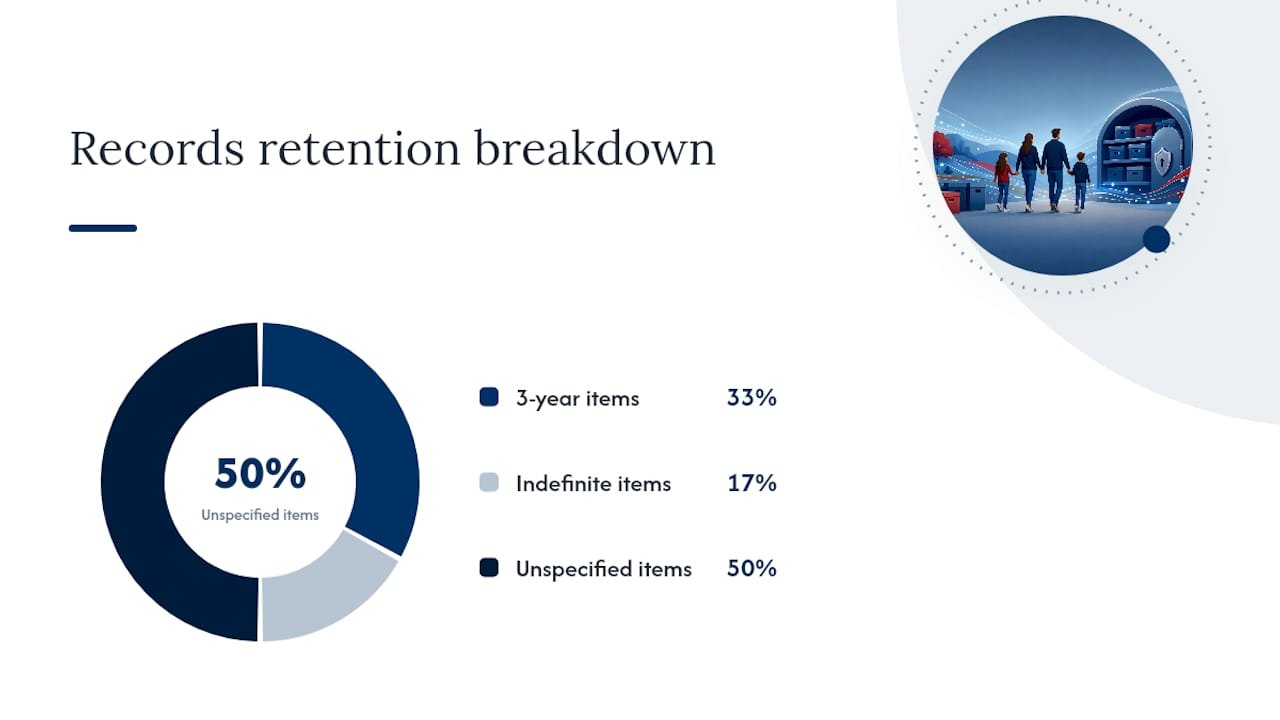
Georgia law doesn’t require you to submit progress reports or test scores to the state or your county, but you do need to produce them if requested. Build a single folder, physical or digital, per student, and keep these items:
- Your filed DOI and its confirmation receipt
- Annual written progress reports (one per school year)
- Triennial standardized test scores
- Attendance logs showing 180 days completed
- Samples of graded work and a running curriculum list
- A high school transcript, if applicable
Keep progress reports and test scores for at least three years, and hold onto high school transcripts indefinitely. A driver’s permit office, a Youth Work Permit application, or a college admissions office may all ask for pieces of this file years after you first assembled it.
| Point | Details |
|---|---|
| Retention window | Keep annual reports and test scores at least three years past the school year they cover. |
| Transcript longevity | Hold high school transcripts well beyond graduation for college and job applications. |
Can Homeschoolers Join Public School Sports and Clubs?
Yes. The Dexter Mosely Act lets qualifying home study students in grades 6 through 12 participate in extracurricular and interscholastic activities at their resident public school, provided they meet local notification and enrollment conditions.
- Contact the activities director at your resident district’s school.
- Provide your DOI and any documentation the district requests.
- Confirm whether course enrollment or dual-enrollment steps apply to the activity you want.
Districts implement this under State Board Rule 160-5-1-.15, so procedures vary from one county to the next. Call ahead rather than assuming your neighboring county’s process applies to yours.
Where Can You Find Official Georgia Homeschool Forms?
Start with GaDOE’s own pages before trusting a third-party summary. The online DOI submission portal and its printable equivalent are your primary filing tools. Read O.C.G.A. § 20-2-690 directly for the statutory language, and pair it with GaDOE’s Home School Overview PDF for plain-language guidance. For community-tested checklists and sample progress-report templates, the Georgia Home Education Association (GHEA) and the Home School Legal Defense Association (HSLDA) both publish free Georgia-specific summaries worth bookmarking.
Why Does Georgia’s Testing Language Trip Up So Many Parents?
Georgia law calls for a “nationally standardized” test, and that phrase gets misread constantly. It means norm-referenced, not the criterion-referenced Georgia Milestones your public-school neighbors take each spring. GHEA’s testing guidance exists largely to correct this one misunderstanding.
- Confirm your chosen test is norm-referenced before you schedule it.
- Check the publisher’s rules on who may administer the test. Some require a bachelor’s-degree-holding proctor.
- Document who administered the test and when, in case the question ever comes up later.
A note from The Central Georgian
I’ve watched enough Georgia families untangle this paperwork to know the DOI deadline trips up more parents than the testing rules do. If you need help finding local district contacts or want our team to look into a specific school system’s homeschool procedures, reach out. Our local education coverage tracks these issues as they develop across Central Georgia.
Homeschooling in Georgia stays legal and low-stress when you file the Declaration of Intent on time and keep every record where you can find it later.
| Point | Details |
|---|---|
| File on time | Submit the DOI within 30 days of starting, then renew by September 1 every year after. |
| Meet the hour minimum | Log 180 days per year at 4.5 hours each to satisfy O.C.G.A. § 20-2-690. |
| Separate testing from reporting | Write an annual progress report every year and test every three years starting after third grade. |
| Use the right test type | Norm-referenced tests like the ITBS satisfy the law; the Georgia Milestones does not. |
| Keep a home study folder | Store DOI receipts, test scores, attendance logs, and work samples together for at least three years. |
Georgia parents raising homeschoolers rely on updates from local school districts as much as they rely on the statute itself, and that’s where staying plugged into community news pays off when policies shift at the county level.
Frequently Asked Questions
Do I need a teaching certificate to homeschool in Georgia?
No. Georgia only requires the parent or tutor to hold a high school diploma or GED, not a teaching credential.
What happens if I miss the September 1 renewal deadline?
Georgia law doesn’t spell out a grace period, so file as soon as you realize the deadline passed and keep documentation showing when you actually submitted it.
Does GaDOE grade my child’s homeschool test scores?
No. GaDOE collects the DOI only. Test scores and progress reports stay in your records unless a specific institution, like a college or the DMV, requests them.
Can a homeschooled high schooler get a Georgia driver’s permit?
Yes, using DOI documentation to verify enrollment status, since Georgia’s DMV process ties permit eligibility to proof of an active educational program.
This article is general information, not a substitute for advice from a qualified lawyer. Consult a qualified legal professional about your own circumstances before acting on anything here.