Pleasant Hill Macon Master Plan to Address Culture, Housing and Streets
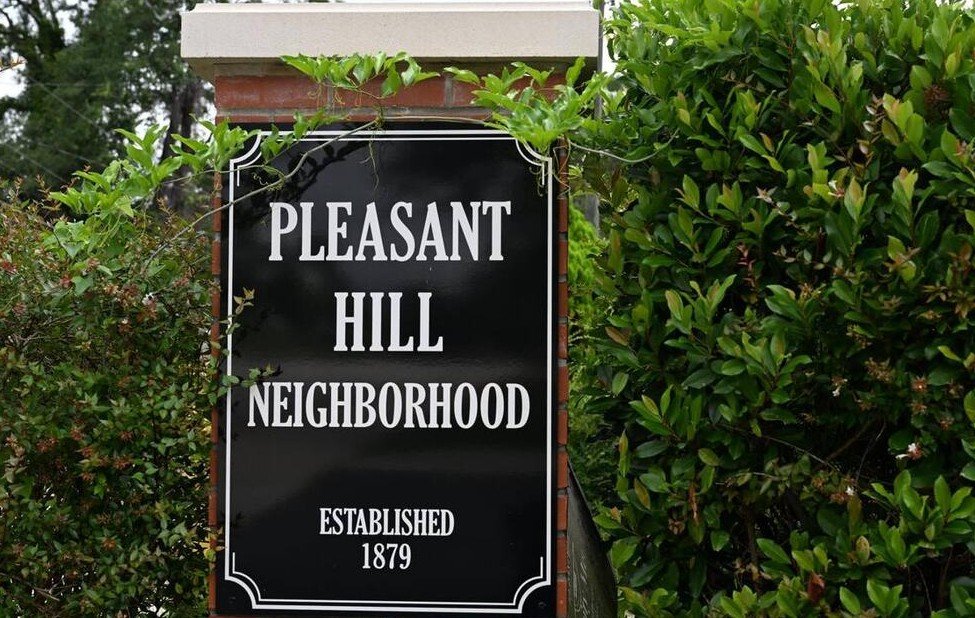
MACON, Georgia – Macon-Bibb County and its partners have hired Urban Design Associates to lead a year-long Pleasant Hill Neighborhood master planning process focused on urban design and cultural preservation. The Pleasant Hill Neighborhood Organization will serve as the lead partner.
The firm won the contract after a competitive bid process. It will work with residents over the next year to create an Urban Design & Cultural Preservation Master Plan, according to Macon-Bibb County.
Alex Morrison, director of Planning & Public Spaces, called the plan the result of several years of work on public space, transportation, anti-displacement and cultural preservation in the neighborhood.
“This is the culmination of several years of work to create a public space, transportation, anti-displacement, and cultural preservation plan for the Pleasant Hill Neighborhood,” says Alex Morrison, Director of Planning & Public Spaces. “Doing this work was set forth in the neighborhood-driven Pleasant Hill Strategic Plan, and it will create an economic development plan for the neighborhood…a sidewalk and streetscape project…and a plan to continue the mitigation efforts”
How residents picked the firm
A committee of residents shortlisted the firms that submitted proposals. The top three gave in-person presentations to the Pleasant Hill Neighborhood Organization and residents. More than 40 people attended, and Urban Design Associates was selected by an overwhelming margin.
“The residents had a very strong consensus on this decision,” Morrison said. He said the neighborhood organization will lead the plan, with other partners providing support and technical assistance. That structure is meant to ensure input and consensus from the people who live in the neighborhood.
Federal grant pays for the work
The money comes from a federal grant through the Inflation Reduction Act’s Neighborhood Access and Equity Program. The community submitted the grant through its participation in the Reimagining the Civic Commons learning network. The national initiative aims to show how public spaces can connect people of all backgrounds, build trust and create more resilient communities.
Historic Pleasant Hill was cut in half by the construction of I-75 more than 60 years ago. That, along with redlining and disinvestment in the once vibrant neighborhood, led to its steady decline and left it unequal to surrounding areas, the county said.
“The RCC process has given us the chance to truly come together around the common cause of reconnecting our neighborhoods and creating a stronger community, and to truly address the harms done to Pleasant Hill,” says Morrison. “Through this process, we can learn from the mistakes of the past, have an honest conversation about where we are today, and truly plan for the future, from commerce to housing to culture.”
Projects already completed
Partners have taken on several projects residents and neighborhood conditions identified over the past several years. They include:
- Affordable housing at Pleasant Hill Landing
- Community programming at the revitalized Booker T. Washington Center
- Reactivated greenspace at Willis B. Sheftall Sr. Legacy Park and Jefferson Long Park
- The opening of the Little Richard House & Community Center
- Better connectivity and transit options along Walnut Street through the Pleasant Hill Pathway Project
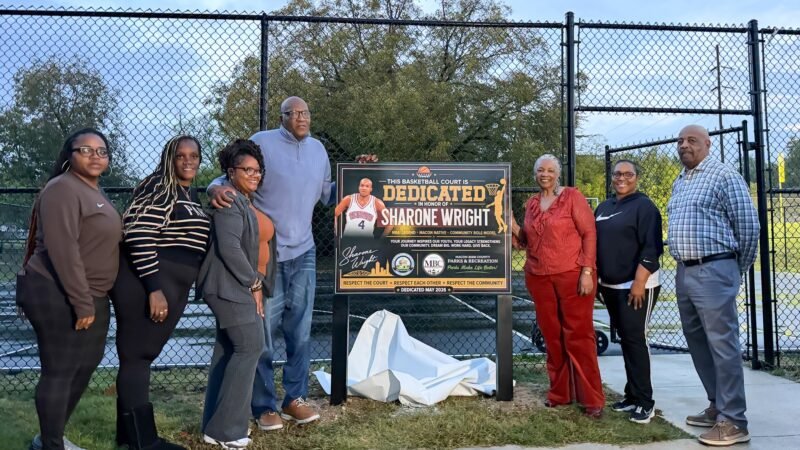
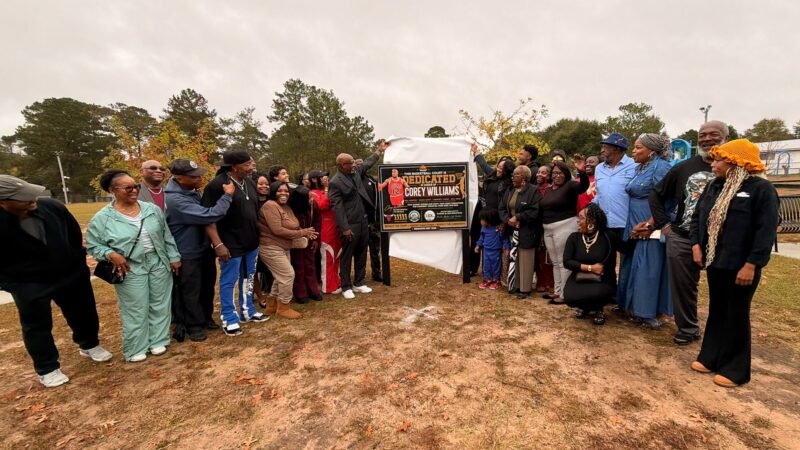
Many of those projects, and the issues they address, came out of the Pleasant Hill Strategic Plan. The Downtown Challenge Grant funded that plan, which draws on feedback from more than 400 community members. Readers can also read about the renaming of the Sheftall park in Pleasant Hill.
Macon’s role in Reimagining the Civic Commons
Macon is one of 12 cities in the Reimagining the Civic Commons network. Its team includes representatives of city government, philanthropy and local nonprofits, and it joined the network in 2020. The Macon-Bibb County Urban Development Authority is the convening agency.
Morrison, who also serves as the project’s co-lead convener and executive director of the Urban Development Authority, said the network gives the city a framework for better public space.
“Participating in the civic commons network gives us a toolkit and process to ensure quality public space that drives value and equity in our community,” says Alex Morrison, the project’s co-lead convener and Executive Director of the Urban Development Authority. “This effort is helping us reconnect with the type of design that our city founders laid out.”
Partners include AARP, Bike Walk Macon, the Community Foundation of Central Georgia, NewTown Macon, the Ocmulgee Heritage Trail, the Peyton Anderson Foundation, the Macon-Bibb Community Enhancement Authority and the Macon-Bibb County Consolidated Government. Several national foundations also take part, including the JPB Foundation, the John S. and James L. Knight Foundation, The Kresge Foundation and the William Penn Foundation.