How Local Elections Are Covered: A Citizen’s Guide
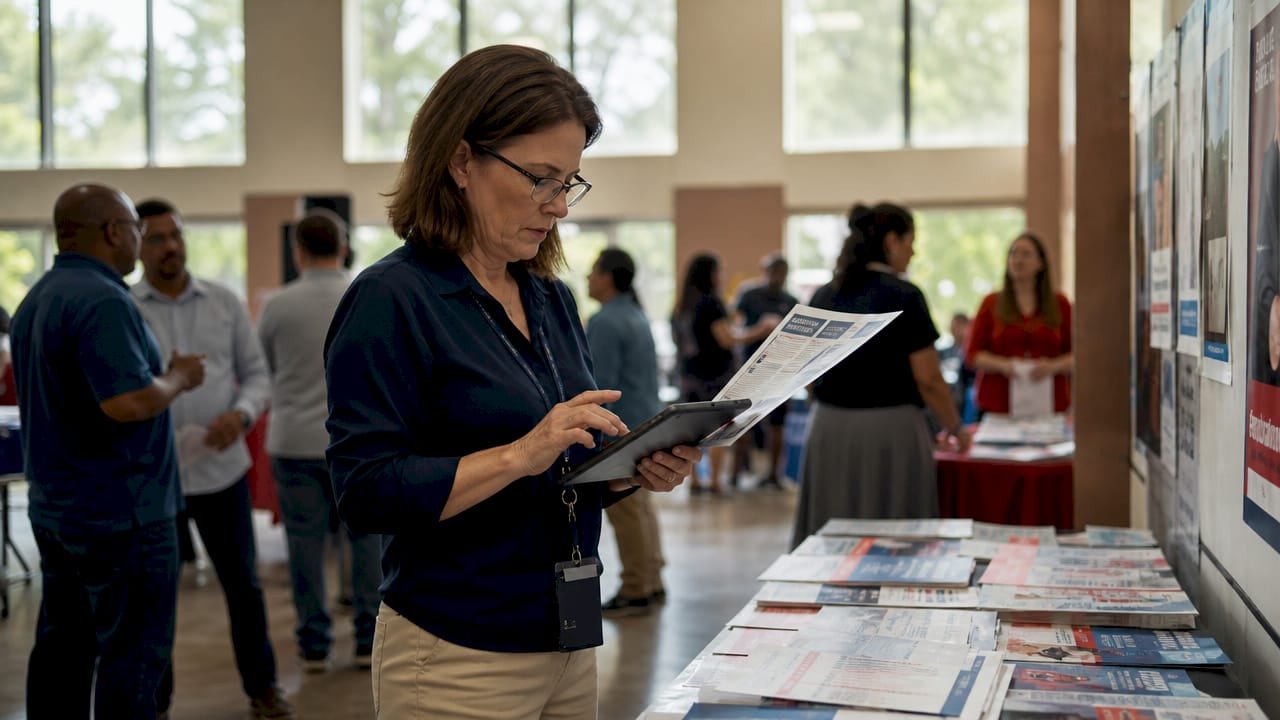
Local elections coverage is the systematic process by which media organizations report on candidates, ballot measures, voting procedures, and results that directly affect communities. Understanding how this coverage works helps citizens evaluate the information they receive, spot gaps in reporting, and participate more effectively in local democracy. Thecentralgeorgian covers Central Georgia elections with the same standards applied to any public accountability story: accuracy first, context second, speed third.
How local elections are covered: the phases of reporting
Local election coverage follows a defined timeline that runs from candidate filing through official certification of results. Reporters and editors organize their work around this timeline, shifting resources and intensity as Election Day approaches.
Candidate filing and early coverage. Reporters track who files for office, verify eligibility, and publish candidate profiles. This phase focuses on policy positions, professional backgrounds, and endorsements. Coverage at this stage is typically weekly.
Campaign period. As the race develops, outlets increase frequency. Debates, town halls, and major policy announcements receive dedicated stories. Media outlets shift from weekly to daily reporting as Election Day nears, mobilizing regional journalists to cover candidate events and voter registration deadlines.
Pre-election week. Coverage intensifies. Polling data, endorsement roundups, and voter guides dominate. Outlets publish practical information: polling locations, hours, ID requirements, and absentee ballot deadlines.
Election night. Minute-by-minute results typically begin at 7:00 PM or 8:00 PM local time as polls close. Reporters update tallies in real time. Editors flag that these numbers are unofficial estimates, not final outcomes.
Post-election reporting. Official certification takes days. Election night numbers are preliminary until election clerks complete formal verification and reconciliation. Recounts, provisional ballot counts, and legal challenges all extend the reporting window.
Pro Tip: Follow your local election office’s official social media accounts alongside news outlets. Election offices post certification updates that media may not cover in real time, giving you the most accurate picture of final results.
How do media outlets frame local election stories?
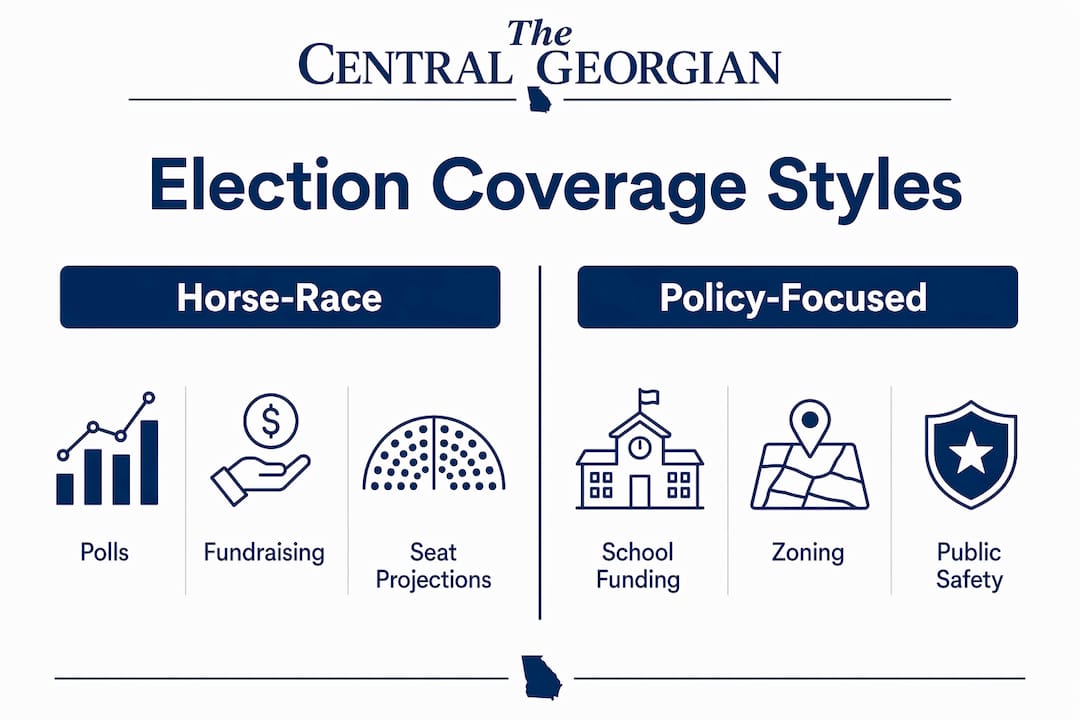
Media framing shapes what citizens understand about an election. Two dominant approaches define most local election coverage, and each carries trade-offs.
Horse-race reporting focuses on who is winning, poll standings, fundraising totals, and seat projections. This style generates high reader engagement because it mimics sports competition. The downside is that it crowds out substantive policy discussion. Research shows that in devolved elections, issues like healthcare or housing appear in over 50% of coverage, while English local elections lean more heavily on electoral dynamics than policy substance. That gap leaves voters less informed about what candidates would actually do in office.

Policy-focused reporting examines specific issues: school funding, zoning decisions, public safety budgets, and infrastructure. This approach requires more reporter time and subject expertise. Outlets that commit to it produce coverage that helps voters connect candidates to real outcomes. AFP’s 2026 municipal election coverage in France, for example, includes deep dives on governance pressures facing local mayors, giving voters context that vote counts alone cannot provide.
| Coverage style | Primary focus | Strength | Weakness |
|---|---|---|---|
| Horse-race reporting | Polls, seat counts, fundraising | High reader engagement | Minimal policy depth |
| Policy-focused reporting | Issues, budgets, community impact | Informs voting decisions | Requires more resources |
| Real-time results coverage | Election night vote tallies | Speed and immediacy | Results are unofficial |
| Investigative accountability | Candidate records, spending | Holds officials accountable | Time-intensive to produce |
Understanding how media incentives affect coverage helps citizens read election stories more critically. An outlet chasing clicks may publish five horse-race updates for every one policy analysis. Recognizing that pattern lets readers seek out the policy coverage they need elsewhere.
How can citizens participate in local election coverage?
Citizens are not passive consumers of election reporting. They are also observers, documenters, and reporters in their own right. Civic technology and social media now allow citizens to act as real-time election monitors, providing evidence of irregularities faster than traditional channels can respond.
Effective citizen participation starts with knowing what to watch for and how to document it properly.
- Document with precision. Record the exact time, location, and description of any issue you observe. Precise documentation is what makes a report actionable. Vague accounts are harder for authorities to investigate.
- Report to the right office first. Citizens encountering polling place problems should contact their local county election office first. Local offices are best positioned to resolve immediate issues like ballot mix-ups or equipment failures.
- Escalate when necessary. Suspected fraud or systemic violations go to the state attorney general or the FBI. Misrouting a report wastes time and reduces the chance of resolution.
- Use available tools. Many states provide dedicated hotlines and online reporting forms. Mobile apps and social media platforms also serve as documentation tools when used carefully.
- Submit a news tip. If you witness something newsworthy, submitting a news tip to a local outlet like Thecentralgeorgian puts trained reporters on the story.
Pro Tip: Never post unverified election irregularities on social media before reporting them to the appropriate authority. Premature public posts can spread misinformation and complicate official investigations.
What challenges exist in covering local elections effectively?
Local election coverage faces structural obstacles that national political reporting does not. Understanding these challenges helps citizens calibrate their expectations and fill gaps themselves.
Smaller local contests receive less consistent coverage because local elections are treated as lower priority compared to national races. Newsrooms with limited staff cannot assign dedicated reporters to every school board race or municipal judge contest. The result is thinner coverage and less-informed voters at precisely the level of government that most directly affects daily life.
Additional challenges include:
- Unofficial results spreading as fact. Election night tallies are estimates. When media or social media users present them as final, it creates confusion and sometimes premature concession or celebration.
- Narrative framing over substance. Narrative-driven political coverage can reduce complex local policy debates to simple storylines, stripping out the nuance voters need.
- Resource constraints. Local newsrooms often lack the budget to send reporters to every precinct or cover every candidate forum. This creates blind spots in coverage.
- Misinformation speed. False claims about voting procedures or results spread faster on social media than corrections do. Citizens who rely solely on social feeds for local elections news are at higher risk of encountering inaccurate information.
Civic technology is changing this picture. Mobile documentation tools and verified reporting platforms give citizens direct channels to flag problems and contribute to the public record. Understanding local economic and civic news helps readers recognize when election coverage is missing important context about community stakes.
Key Takeaways
Responsible local election coverage requires citizens to understand reporting timelines, media framing patterns, and their own role in documenting and escalating election-day issues.
| Point | Details |
|---|---|
| Coverage follows a clear timeline | Reporting escalates from weekly candidate profiles to real-time election night updates. |
| Election night results are unofficial | Formal certification by election clerks takes days; treat media tallies as preliminary. |
| Media framing shapes voter knowledge | Horse-race coverage dominates, but policy-focused reporting better informs voting decisions. |
| Citizens are active participants | Precise documentation and correct reporting channels make citizen observations actionable. |
| Local coverage faces resource limits | Smaller contests receive less scrutiny; citizens and civic tech help fill the gap. |
Why local election coverage matters more than most people realize
I have spent years watching how local election stories get written and how readers respond to them. The most common misconception I see is that election night is the finish line. Readers treat the 10:00 PM tally as the final word. It is not. Certification takes days, and the gap between unofficial and official results has decided real races. Treating preliminary numbers as final is not just a media problem. It is a civic literacy problem.
The second thing I have noticed is that citizens consistently underestimate their own role. A well-documented report from a poll worker or a voter who observed a ballot handling error can trigger a formal investigation. Vague social media posts accomplish nothing except noise. The difference between a useful report and a useless one comes down to time, place, and exact description. That is a skill anyone can learn.
Local elections also carry stakes that national coverage rarely captures. A school board vote on curriculum, a city council decision on zoning, a county commission budget that determines road repair schedules: these decisions touch daily life more directly than most congressional votes. Coverage that treats these contests as minor league politics does a disservice to the communities involved. Thecentralgeorgian takes the position that a local race deserves the same reporting standards as any other public accountability story.
— Ernie
Thecentralgeorgian and local election reporting in Central Georgia
Thecentralgeorgian covers local elections in Central Georgia with the same commitment to accuracy and timeliness that drives its breaking news and public safety reporting.

Readers who want to stay current on local civic events and community engagement can find relevant context in coverage of local nonprofits and community events, which often intersect directly with election season activity. For broader local news, the Thecentralgeorgian homepage provides real-time updates on the stories affecting Macon, Middle Georgia, and surrounding areas. Accurate, community-focused reporting is the foundation of informed voting, and Thecentralgeorgian is committed to providing it.
FAQ
What does local election coverage include?
Local election coverage includes reporting on candidate filings, policy positions, debates, voting procedures, election night results, and official certification. It spans the full cycle from the first candidate announcement through the final certified outcome.
When do official election results become final?
Election night results are unofficial estimates. Official results require formal verification and certification by election clerks, a process that typically takes several days after polls close.
Who should citizens contact about election day problems?
Citizens should report polling place issues to their local county election office first. Suspected fraud or systemic violations escalate to the state attorney general or the FBI.
Why do local elections get less media coverage than national races?
Local elections are often treated as lower-priority contests by newsrooms with limited staff and budgets. This means smaller races receive less consistent policy scrutiny and fewer dedicated reporters.
How can citizens contribute to accurate election reporting?
Citizens can document irregularities with precise details, including time, location, and description, then report through official channels. Submitting verified information to a local news outlet also helps trained journalists investigate and report accurately.