
How to Use Local News for Market Research

Local news is defined as community-level journalism that covers economic activity, civic decisions, and social events within a specific geographic area. Business owners and marketing professionals who use local news for market research gain access to signals that national media rarely captures. A zoning change, a business closure, or a spike in foot traffic during a local election can tell you more about your market than a national consumer survey. The challenge is knowing where to look, how to interpret what you find, and how to fill the gaps when coverage is thin.
How to use local news for market research effectively
The core method is systematic monitoring. You track specific story types, note what is covered and what is absent, and connect those patterns to economic conditions in your area. This practice is formally called secondary market research using regional media, and it sits alongside primary methods like surveys and focus groups.
Local economic news types fall into several categories: business openings and closures, municipal budget decisions, infrastructure projects, employment reports, and event-driven economic activity. Each category carries a different signal. A cluster of business closures points to cost pressure or demand decline. A new infrastructure project signals population growth or commercial investment. Reading these signals accurately requires knowing which story type you are looking at.

Coverage gaps in local journalism are a structural problem. 70% of U.S. counties are classified as severely undercovered by local journalists as of 2026. That figure means most markets have significant blind spots, and relying on a single outlet will leave you with an incomplete picture. Supplementing news sources with municipal records, community boards, and nonprofit reports closes those gaps.
What local news sources deliver the most useful market data?
Not all local news sources carry equal weight for market research purposes. The most useful sources for market analysis through community news include the following:
- Local newspapers and digital news sites: Cover business openings, closures, and economic development. Thecentralgeorgian, for example, publishes in-depth reporting on community events and economic activity across Central Georgia.
- Municipal bulletins and council minutes: Contain zoning approvals, planning notices, and budget allocations. These are primary documents, not editorial interpretations.
- Community blogs and neighborhood forums: Reflect consumer sentiment and emerging local concerns before they reach mainstream coverage.
- Trade journals and chamber of commerce reports: Provide sector-specific data on hiring, investment, and supply chain conditions.
- Nonprofit and event coverage: Community event reporting reveals patterns in community engagement and short-term spending behavior.
- Local political campaign news: Election periods generate measurable economic activity. Sales doubled for some local food traders during the Johor election campaign period in july 2026, according to reports on election-period trading. That kind of event-driven data is directly applicable to inventory and staffing decisions.
Using multiple source types is not optional. It is the only way to compensate for the coverage gaps that affect most U.S. markets.
How do you analyze local news trends to extract market insights?
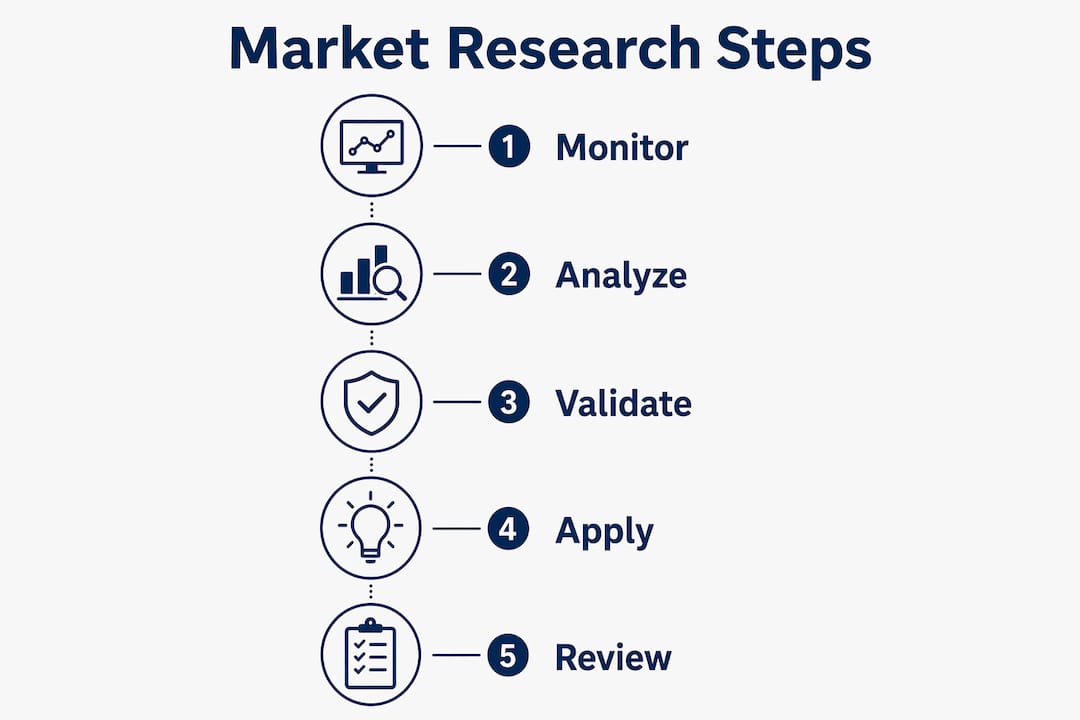
Extracting useful intelligence from local news requires a structured approach. Raw story counts mean little without context. The following process turns news monitoring into market insight:
- Track story frequency by topic. Count how often a specific subject appears across outlets over a set period. A rising count on topics like commercial vacancies or workforce shortages signals a developing trend.
- Assess sentiment and tone. Distinguish between factual reporting and speculative commentary. The Media Analytics Hub framework for American news emphasizes analyzing whether coverage is evidence-heavy or speculative before drawing conclusions.
- Note coverage absences. The absence of local news coverage is as informative as its presence. A market where no outlet covers a specific sector may indicate an underserved niche or a reporting blind spot. Both have strategic implications.
- Map event-driven impacts. When a local event generates news, record the reported economic effects. Increased sales and foot traffic during local event periods appear consistently across trader reports. These data points inform future planning cycles.
- Cross-reference with primary sources. Validate news claims against council minutes, permit filings, and official press releases. News reports can contain errors or reflect one source’s perspective.
Pro Tip: Set a fixed review cadence, such as every Monday morning, to scan the previous week’s local coverage. Consistency matters more than depth in the early stages of a monitoring program.
Understanding the difference between verified market trends and temporary hype is the most critical analytical skill. A single news story about a new employer moving to your area is a signal. Three stories across different outlets, combined with a planning permit filing, is a confirmed trend.
What tools help automate local news monitoring?
Manual monitoring does not scale. Small teams can automate much of the process using tools that are already widely available.
| Tool type | Function | Best use case |
|---|---|---|
| Google Alerts | Monitors keywords across indexed web pages | Tracking business names, neighborhoods, and topics |
| RSS feed readers | Aggregates updates from multiple news sites | Daily review of local outlets in one place |
| Shared spreadsheets | Logs story signals from multiple sources | Team-based tracking and trend spotting |
| Automated AI prompts | Processes council minutes and planning notices | Early detection of zoning and infrastructure changes |
Practitioners have successfully automated story discovery using shared spreadsheets populated from local government sources. The same method applies directly to market research workflows. You set up the inputs once and review the outputs on a schedule.
Pro Tip: Configure separate alerts for your direct trade area and a wider regional radius. Regional signals often arrive before local ones, giving you additional lead time.
The most common pitfall is alert fatigue. Too many keywords produce too many results, and teams stop reviewing them. Start with five to ten tightly defined keywords and expand only after you establish a review habit.
What challenges come with local news-based market research?
Local news as market insight has real limitations. Knowing them in advance prevents bad decisions based on incomplete data.
- Coverage gaps create blind spots. With 70% of U.S. counties severely undercovered, many markets simply lack the journalism needed for comprehensive monitoring. Supplement with direct outreach to local chambers, business associations, and municipal offices.
- Misinformation and speculation appear in local media. Community blogs and social media-adjacent outlets sometimes publish unverified claims. Always cross-check significant findings against official records before acting on them.
- Single-source reporting distorts the picture. One outlet’s framing of an event reflects its editorial choices. Reading the same story across multiple outlets reveals where facts end and interpretation begins.
- Indirect signals require interpretation. A story about a road closure does not directly mention your market. But if that road serves your primary commercial corridor, the impact is real. Reading between the lines is a skill that develops with practice.
- Local closures signal structural pressure, not isolated events. A 31-store bakery chain entering voluntary liquidation in june 2026 reflected rising fuel costs, National Insurance increases, and heatwave impacts. That story is a benchmark for any food service operator assessing their own cost exposure.
Direct community outreach fills gaps that no monitoring system can cover. Conversations with local business owners, attendance at council meetings, and participation in neighborhood associations produce qualitative data that news coverage often misses.
How do businesses apply local news insights in practice?
The most direct application is competitive intelligence. When a local competitor closes, the news report tells you the timing, the stated reason, and sometimes the scale of the operation. That information informs your own pricing, staffing, and inventory decisions immediately.
Event-driven planning is a second major application. Businesses that track local holiday event schedules and political campaign calendars can prepare inventory and staffing adjustments weeks in advance. The election-period trading data from july 2026 shows that some traders doubled sales during campaign activity. A business that anticipated that demand would have been better positioned than one that reacted to it.
Risk benchmarking is a third application. Environmental reports, infrastructure announcements, and economic development news all carry risk signals. A new highway bypass, a plant closure, or a flood zone reclassification each changes the commercial environment. Businesses that read those signals early adjust their plans before the market forces the change.
The most effective approach integrates local news data with your existing market research. Survey data tells you what customers say. Local news tells you what is actually happening around them.
Key Takeaways
Local news monitoring is the most cost-effective method for detecting early market shifts in your specific trade area before they appear in national data.
| Point | Details |
|---|---|
| Coverage gaps are widespread | 70% of U.S. counties are severely undercovered, so supplement news with municipal records and direct outreach. |
| Absence signals matter | Where local news is missing is as informative as where it exists; both reveal market conditions. |
| Automate monitoring early | RSS feeds, Google Alerts, and shared spreadsheets reduce manual effort and improve consistency. |
| Validate before acting | Cross-check news claims against official sources to separate verified trends from speculation. |
| Event data drives planning | Election campaigns, community events, and local holidays generate measurable economic activity worth tracking. |
Why local news deserves a permanent place in your research workflow
I have spent years watching business owners invest in expensive national research reports while ignoring the municipal planning notice posted three blocks from their store. That planning notice, announcing a new mixed-use development, told them more about their next two years of foot traffic than any syndicated survey.
The media analysis approaches that work best treat local news as a primary data layer, not a supplementary one. National data tells you about averages. Local news tells you about your specific conditions. Those two things are rarely the same.
The local media environment is contracting. Fewer reporters cover more ground, which means the signals that do get published carry more weight. A story that makes it into a resource-constrained local outlet is a story that someone considered significant enough to report. That editorial judgment is itself a data point.
My practical advice: start with one outlet, one alert, and one weekly review. Build the habit before you build the system. The researchers who get the most value from local news monitoring are not the ones with the most sophisticated tools. They are the ones who show up consistently.
— Ernie
Thecentralgeorgian as a market research resource for Central Georgia businesses
Thecentralgeorgian covers breaking news, community events, public safety, and economic activity across Central Georgia with the depth and consistency that market researchers need.
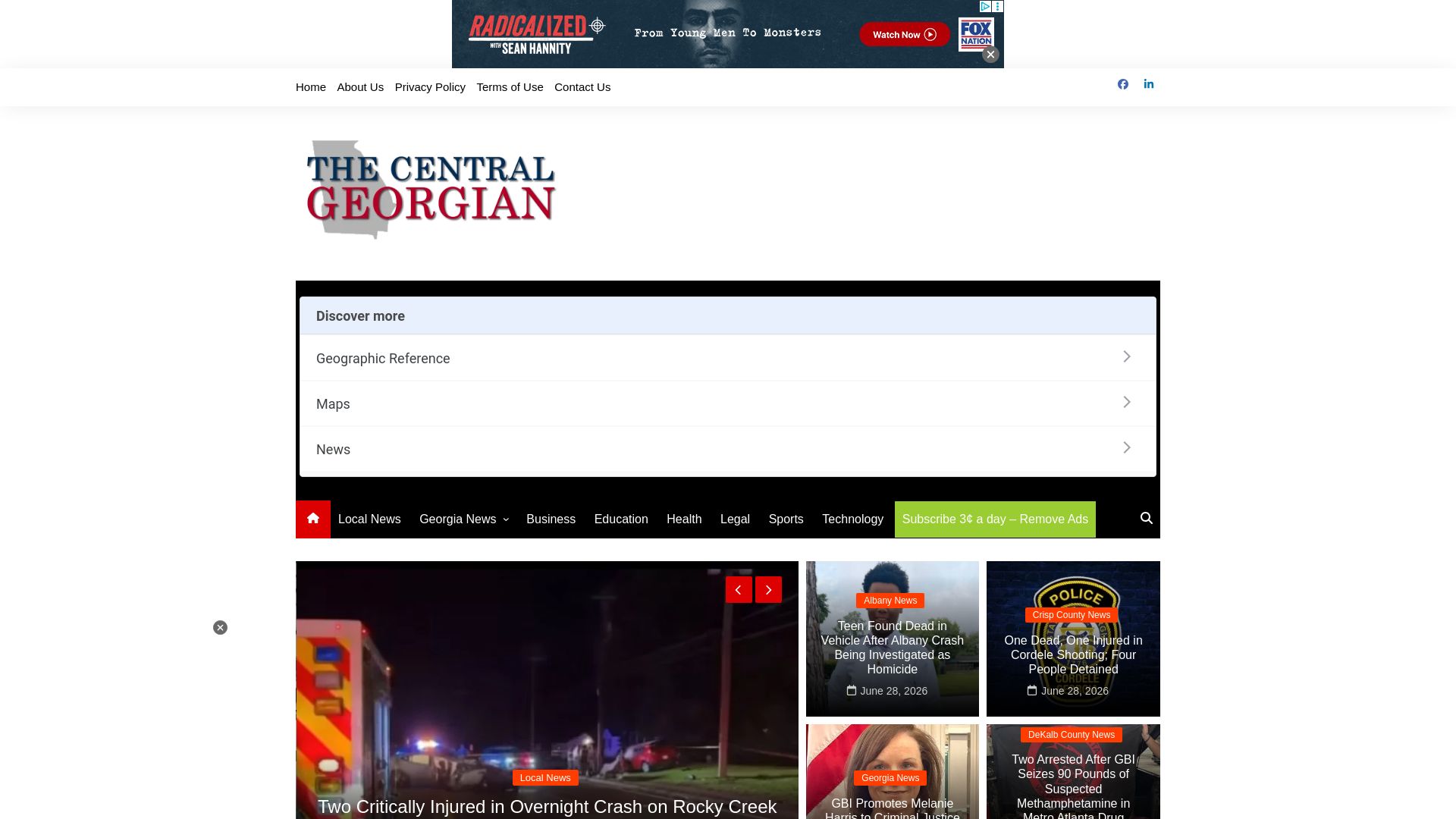
Business owners tracking the Central Georgia market will find coverage of nonprofit events, community gatherings, and economic developments that directly affect local spending patterns. The platform’s reporting on community-driven events provides the kind of ground-level data that supports real planning decisions. For businesses that need timely, reliable local coverage as part of their ongoing market monitoring, Thecentralgeorgian is a consistent and credible source for the region.
FAQ
What is market research using local media?
Market research using local media is the practice of monitoring community-level news sources to identify economic trends, competitive shifts, and consumer behavior patterns in a specific geographic area. It is a form of secondary research that complements surveys and primary data collection.
Why do coverage gaps matter for local news research?
70% of U.S. counties are severely undercovered by local journalists, which means many markets lack sufficient reporting for complete monitoring. Researchers must supplement news sources with municipal records, chamber reports, and direct community outreach to fill those gaps.
How do you tell verified trends from speculation in local news?
The Media Analytics Hub framework recommends assessing whether coverage is evidence-heavy or speculative before drawing conclusions. Cross-referencing news claims against official documents such as planning permits and council minutes confirms whether a reported trend is real.
What types of local events signal market opportunities?
Election campaigns, community festivals, nonprofit events, and local holidays all generate measurable economic activity. Tracking these events in advance through local news and event schedule resources allows businesses to prepare inventory and staffing adjustments before demand peaks.
How much time does local news monitoring require?
A basic monitoring program using Google Alerts and RSS feeds requires roughly 30 minutes per week once set up. Automated tools that process council minutes and planning notices, as demonstrated in generative AI newsroom workflows, reduce manual review time further without sacrificing signal quality.