Stay Informed on Local Breaking News in Central Georgia
Staying informed about local breaking news means having immediate access to accurate alerts from sources tied directly to your location and community. Central Georgia residents face real public safety risks, from severe weather to road closures and crime incidents, that require timely, verified information. Thecentralgeorgian covers these events with real-time reporting and in-depth storytelling. Combining that coverage with official emergency alert systems and public notice subscriptions gives you the most complete picture of what is happening locally.
What are the main emergency notification systems for Central Georgia residents?
Emergency notification systems are the fastest way to receive breaking news alerts before local media can publish a full report. Many Georgia counties have adopted unified platforms that replace older systems like Code Red. These platforms deliver alerts via text message, voice call, and email, so residents receive warnings through whichever channel they check first.
DeKalbAlert and Rave Alerts are two examples of county-level systems now active across Georgia. DeKalbAlert allows residents to register multiple addresses, which matters if you work in one county and live in another. Enrollment is fastest by text: residents can text a keyword to a designated short code or register through the county’s official portal.
Columbus, Georgia promotes Rave Alerts as a free system offering customizable notifications for emergencies, traffic advisories, facility closures, and public events. The system is free for residents, business owners, and visitors. Alerts arrive via text, email, or phone call, depending on your preference.
Alerts from these systems cover:
- Severe weather warnings and tornado watches
- Public safety incidents and road closures
- School and government facility status changes
- Boil water advisories and utility outages
- Evacuation orders during wildfires or flooding
One detail most residents miss: Wireless Emergency Alerts on smartphones rely on your current cell tower location, not your home address. That means a tornado warning reaches your phone based on where you are standing, not where you live. For location-specific alerts tied to your property, such as a neighborhood road closure or a local boil water notice, you must register on the county portal directly.
Pro Tip: Enroll in your county’s alert system before an emergency occurs. Assuming your old Code Red or similar subscription transferred automatically to a new platform is a common mistake that leaves residents without notifications when they need them most.
How to sign up for public notice alerts for local government meetings
Public notice alert systems are fragmented by design. Each city and county government runs its own notification service, which means one signup does not cover all the agencies that affect your daily life. Residents in Central Georgia who want full coverage need to register with multiple entities.
Here is a practical process for building a complete public notice subscription:
- Identify the agencies that affect you. Start with your county government, city hall, school board, water authority, and planning commission. Each of these bodies makes decisions that directly affect your property, commute, and community services.
- Visit each official website. Search for terms like “notify me,” “public notices,” “agenda alerts,” or “subscribe to updates” on each agency’s site. Most government portals place these options in the footer or under a “residents” tab.
- Register with your preferred email address. Use a dedicated email address for government alerts if possible. This prevents notices from getting buried in a general inbox.
- Organize your inbox immediately. Creating dedicated email folders with subfolders for meetings, planning decisions, utilities, and urgent issues helps you find critical information fast. Set up automatic sorting rules so alerts land in the right folder without manual effort.
- Review and refresh subscriptions every six months. Government websites change, and alert systems get updated. A subscription that worked in january may stop delivering by july if the platform migrated.
Public notice emails are early warnings, not complete reports. Treat each alert as a signal to visit the official agency website and review the full agenda before a meeting takes place. The email subject line tells you something is happening. The agency’s website tells you what it means for your neighborhood.
Georgia voters can also use My Voter Page through the Secretary of State’s office to check sample ballots and polling locations during election cycles. This tool supports civic engagement by giving residents accurate information about local elections without relying on secondhand sources.
Pro Tip: Subscribe to alerts based on direct impact, not general curiosity. A planning commission meeting about a rezoning two blocks from your home matters more than a city council session across town. Prioritize by proximity and relevance to your property, commute, or children’s school.
What tools and techniques help you filter and verify local breaking news?
Scam text messages now mimic official government alerts with enough accuracy to fool careful readers. The Georgia Department of Driver Services and other state agencies will never request payment or personal information through unsolicited text messages. Any text demanding payment via gift card or cryptocurrency, or linking to a misspelled website, is a scam.
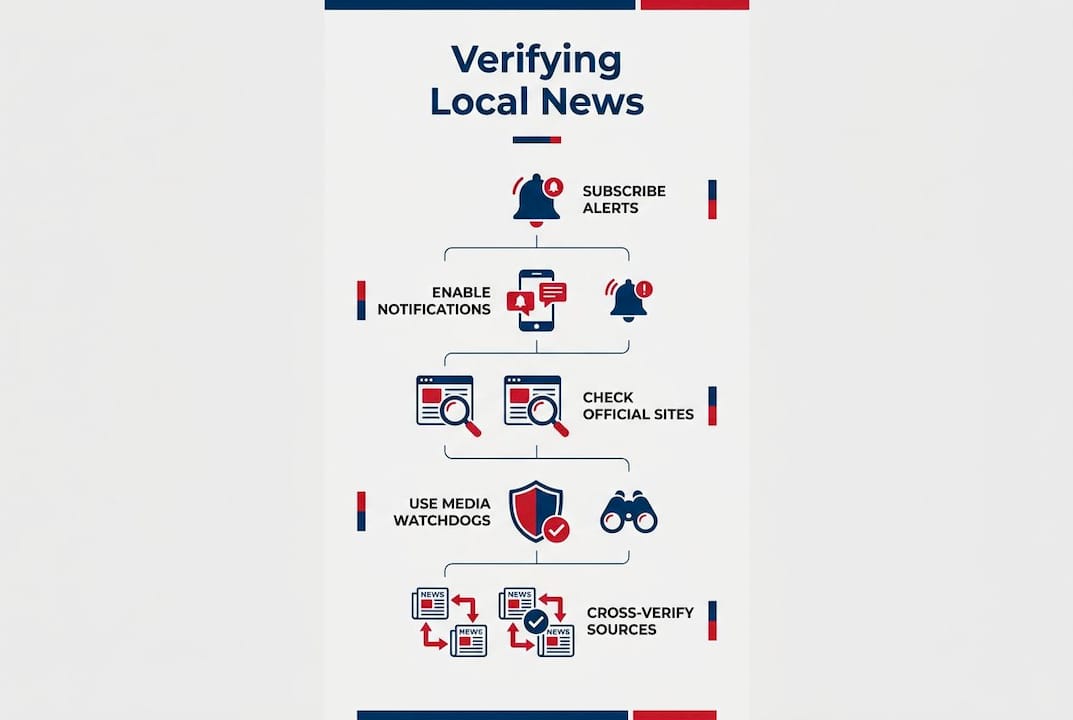
The verification process for any alert takes less than two minutes:
- Check the sender’s number or email domain against the official agency website
- Visit the agency’s official .gov website directly, not through a link in the text
- Look for the same alert posted on the agency’s social media or official news page
- Cross-reference breaking news reports on trusted local platforms like Thecentralgeorgian
Verifying an alert before acting on it is not optional during a public safety event. Scammers exploit emergencies because residents are more likely to click a link or provide information when they feel urgency. Slow down, check the source, and confirm through an official .gov website before responding to any unsolicited message.
Smartphone settings also play a role in managing the volume of notifications you receive. Most devices allow you to control which apps send alerts and at what times. Dedicated email folders for government notices, separate from personal and work email, prevent critical alerts from disappearing into a crowded inbox.
Understanding the role of media watchdogs in public oversight adds another layer of verification. Independent journalism organizations hold government agencies accountable and flag when official communications are misleading or incomplete. Pairing watchdog reporting with direct government alerts gives residents a more accurate view of local events.
Pro Tip: Treat every public notice alert as an early warning. Go to the official agency website to read the full agenda or report before forming conclusions or sharing the information with others.
How can local news media support your awareness of breaking news?
Local news media fills the gap between official alerts and full public understanding of an event. An emergency alert tells you a road is closed. A local news report tells you why, how long the closure will last, and what alternate routes are available. These two sources work together, not in competition.
About 20% of Americans still watch local TV news, according to Nielsen data from 2023. That figure reflects steady demand for local coverage even as overall broadcast viewership declines. The audience for local news has not disappeared. It has shifted across platforms, including websites, apps, and social media feeds.
Thecentralgeorgian delivers coverage specifically built for Central Georgia residents. The platform reports on crime investigations, public safety alerts, community events, and public health advisories with the context that national outlets cannot provide. Following a local outlet gives you the latest local headlines alongside the background needed to understand what those headlines mean for your daily life.
Local media also supports civic participation in ways that alert systems cannot:
- Reporting on local elections and candidate positions
- Covering nonprofit events and community fundraisers
- Publishing school board meeting summaries and outcomes
- Tracking ongoing investigations into public safety incidents
- Announcing public comment periods before government decisions are finalized
The local media’s influence on community awareness extends beyond breaking news. Consistent coverage of local government actions, school events, and community programs keeps residents engaged with the decisions that shape their neighborhoods. Passive consumption of national news does not replace this function.
Pro Tip: Use local media alongside your alert system subscriptions, not instead of them. Official alerts give you the first word. Local journalism gives you the full story.
Key Takeaways
Residents who combine official emergency alert systems, public notice subscriptions, and trusted local news coverage receive the most complete and timely information about events affecting Central Georgia.
| Point | Details |
|---|---|
| Enroll in county alert systems | Register on your county’s official portal for location-specific breaking news alerts via text, email, or call. |
| Subscribe to multiple public notice feeds | Sign up with each agency that affects your property, commute, or school district separately. |
| Verify alerts before acting | Confirm any urgent message through an official .gov website before responding or sharing. |
| Organize alerts by category | Use dedicated email folders for meetings, utilities, planning, and urgent notices to prevent overload. |
| Pair official alerts with local news | Emergency alerts deliver the first word; local journalism like Thecentralgeorgian delivers the full context. |
What I have learned about staying informed in Central Georgia
I have watched residents miss critical public notices not because the systems failed, but because they assumed one subscription covered everything. It does not. A county alert system handles emergencies. A city planning portal handles zoning decisions. A school district notification service handles closures and events. Each operates independently, and none of them talk to each other automatically.
The april 2026 wildfires across Georgia and Florida were a clear example of why proactive monitoring of fire maps and official emergency directives matters before conditions become dangerous. Residents who had enrolled in county alert systems received evacuation guidance hours before the situation became critical. Those who relied solely on social media posts got fragmented, unverified information.
The other pattern I have noticed is alert fatigue. Residents sign up for every available notification, get overwhelmed within two weeks, and start ignoring everything. The fix is not fewer subscriptions. It is better organization. Sorting alerts into folders by category and reviewing them at set times each day keeps the volume manageable without missing anything important.
Civic participation also improves when residents treat public notice systems as personal monitoring tools rather than background noise. Checking the local news alert checklist periodically helps confirm that your subscriptions are current and your contact information is accurate. A subscription with an outdated phone number delivers nothing when it matters most.
— Ernie
Thecentralgeorgian: your source for Central Georgia news
Thecentralgeorgian covers the events and issues that affect daily life across Central Georgia, from public safety incidents and crime investigations to community events and public health advisories.
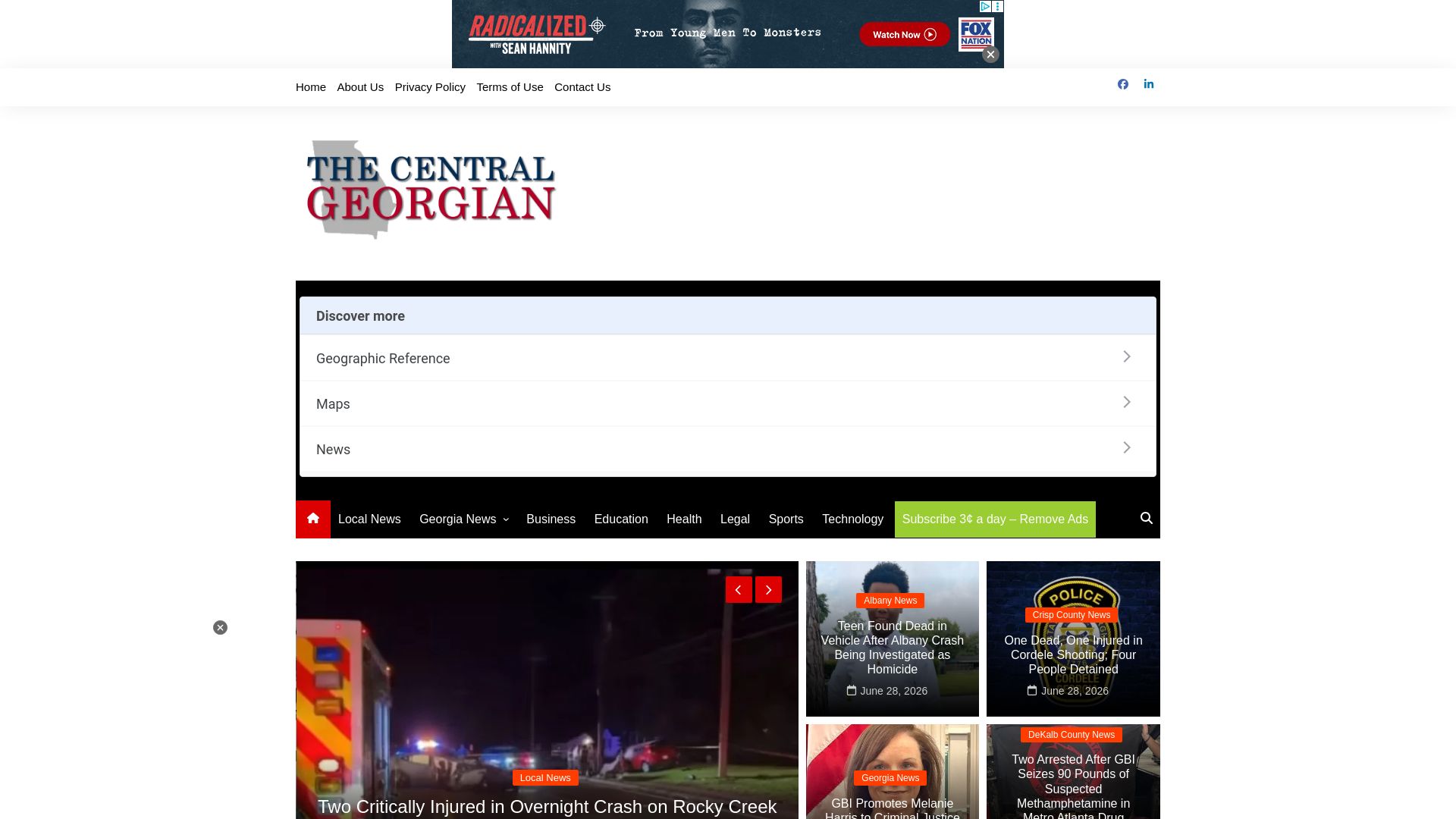
The platform publishes real-time updates alongside in-depth reporting that gives residents the context behind the headlines. Whether you want to follow local election coverage or track school event announcements, Thecentralgeorgian provides the coverage Central Georgia residents need to stay engaged with their community. Visit Thecentralgeorgian to read the latest reports and subscribe for timely updates delivered directly to you.
FAQ
What is the fastest way to enroll in a Georgia county alert system?
Text enrollment is the fastest method. Many Georgia counties allow residents to text a keyword to a short code and complete registration in under two minutes, with no account creation required.
How do Wireless Emergency Alerts differ from county portal alerts?
Wireless Emergency Alerts reach your phone based on your current cell tower location. County portal alerts are tied to the address you registered, so portal registration is required for property-specific notifications like local road closures or boil water advisories.
How can I tell if an emergency text message is a scam?
Georgia government agencies will never request payment or personal information through unsolicited texts. Any message demanding gift card payment, cryptocurrency, or linking to a non-.gov website is a scam.
Why should I use local news alongside official alert systems?
Official alerts deliver the first notification of an event. Local news outlets like Thecentralgeorgian provide the full context, including causes, timelines, and community impact, that alert systems cannot include in a short message.
How often should I update my public notice subscriptions?
Review and refresh your subscriptions every six months. Government platforms migrate and update regularly, and an outdated subscription may stop delivering alerts without any notification to you.