Why Back-to-School Events Are Held: A Guide for Central Georgia Families
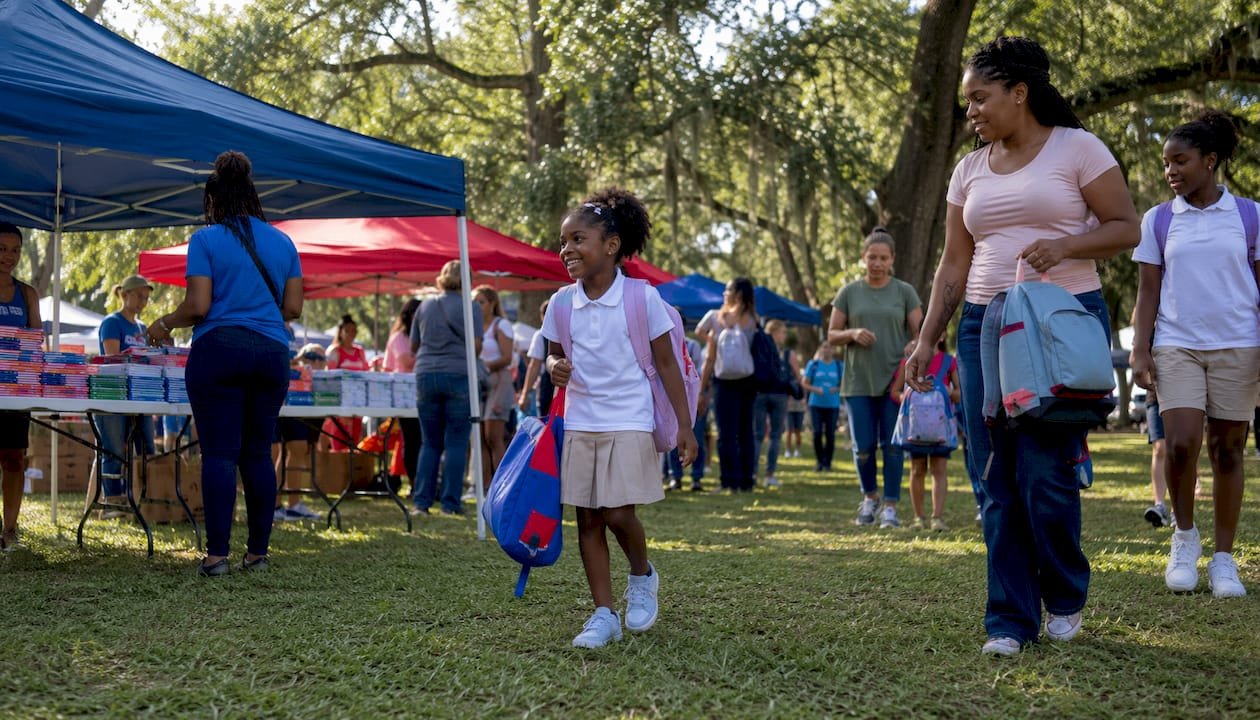
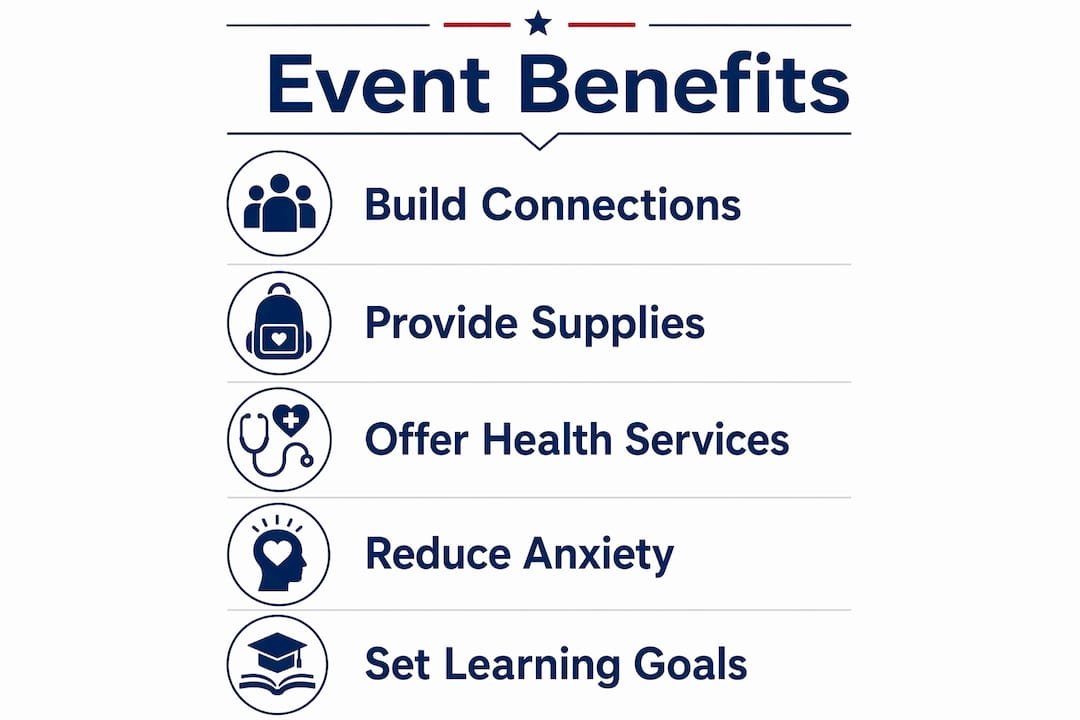
Schools hold back-to-school events to build community connections, reduce first-day anxiety, and connect families to staff, services, and resources before the academic year begins. That three-part purpose is consistent across districts nationally and is directly relevant to families in Macon and surrounding Central Georgia counties. Research cited by the CDC and summarized by School Pathways confirms that students who feel connected to their school show stronger academic performance, better health behaviors, and lower rates of violence. Thecentralgeorgian covers these events locally so Central Georgia residents have a reliable, verified source for dates, requirements, and updates.
Schools that create environments where students feel cared for and connected show stronger academic performance, better health behaviors, and lower rates of violence and substance use — a finding grounded in CDC-cited research on school connectedness.
Table of Contents
- Why are back-to-school events held in the first place?
- What actually happens at a back-to-school event?
- What does research say about the benefits for students?
- How do effective schools design these events?
- Practical tips for Central Georgia families attending these events
- How to find back-to-school events in Central Georgia
- Key Takeaways
- What back-to-school events reveal about a community’s priorities
- Thecentralgeorgian keeps Central Georgia families informed on school events
- Sources and further reading
Why are back-to-school events held in the first place?
The core reasons districts schedule these gatherings fall into five categories, each serving a distinct need.
- Community connection. Back-to-school events build the social bonds between families, teachers, and neighbors that sustain a school’s culture across the full year.
- Reducing first-day anxiety. Seeing a classroom, meeting a teacher, and walking the hallways before the first official day lowers stress for all students. The benefit is especially pronounced for neurodivergent students or those who have experienced trauma, for whom predictable routines are critical.
- Family-school communication. Events give staff a structured opportunity to explain enrollment procedures, schedules, support services, and communication channels before the year’s pressures set in.
- Centralized services. Health screenings, immunization checks, supply distribution, and social-service referrals are delivered in one accessible location, reducing the number of separate trips families must make.
- Operational logistics. Districts use these events to verify enrollment, confirm residency, collect emergency contacts, and conduct safety briefings — administrative tasks that run more smoothly in a face-to-face setting.
Community-wide events frequently involve coalitions of city officials, law enforcement, nonprofits, and business groups to centralize these services and lower barriers for families who may lack transportation or flexible work schedules.
Effective events prioritize the family experience and act as gateway experiences to build long-term partnerships with parents rather than serving only administrative needs. Planning guides consistently distinguish between events that check boxes and those that convert one-time attendance into ongoing engagement.
What actually happens at a back-to-school event?
Families attending for the first time often underestimate how much ground a single event covers. The typical format includes:
- Meet-the-teacher sessions and classroom tours
- Schedule pickup and course registration
- Backpack and school supply distribution
- Free sports physicals or health screenings (registration sometimes required in advance)
- Immunization verification and referrals to county health services
- Applications for free and reduced-price lunch programs
- Community partner resource tables covering social services, housing assistance, and workforce programs
- Entertainment, food, and activities for younger children
Springfield Public Schools’ annual Back to School Bash, for example, provides free supplies, health services, and community resources to all district students with no proof of enrollment required — a model several Georgia districts have adopted in varying forms.
Timing varies. Some districts hold a single large-scale event one to two weeks before school starts. Others spread activities across the first week in staggered sessions to accommodate working families. Rolling formats with multiple touch points are increasingly common, allowing families to attend whichever session fits their schedule.
Pro Tip: Check whether sports physicals or health screenings require advance registration. Slots fill quickly, and walk-in availability is not guaranteed at most large events.
What does research say about the benefits for students?
The evidence connecting early school engagement to student outcomes is consistent across multiple research bodies.
- Students in schools with strong connectedness programs show measurably better academic performance and health behaviors, per CDC-cited findings.
- Behavioral expectations set in the first three weeks of school predict outcomes for the remaining thirty-three weeks of the year — making the tone established at pre-school events directly consequential.
- Interactive and celebratory programming reduces first-day anxiety and makes routines predictable, which is particularly important for students with trauma histories or sensory sensitivities.
- Community-wide services delivered early reduce barriers to attendance and academic readiness by addressing health and resource gaps before they affect classroom performance.
The first-three-weeks finding from Deans Roundtable carries a practical implication: a student who walks into the first day already knowing their teacher, their classroom layout, and the school’s behavioral expectations is better positioned than one encountering all of it simultaneously. Back-to-school events create that advance familiarity.
How do effective schools design these events?
The difference between a well-designed event and a poorly executed one is usually a matter of orientation. Events built around administrative convenience tend to feature long presentations, repetition of information already posted online, and passive formats that give families little reason to stay.
Events designed around the family experience look different:
- Belonging before business. Relationship-building activities come first; paperwork follows.
- Interactive stations. Short, hands-on experiences at each stop keep families moving and engaged rather than seated through lectures.
- Staggered sessions. Multiple time slots across several days accommodate shift workers and families with multiple children in different schools.
- Multi-channel communication. Invitations go out via school apps, text alerts, social media, and printed flyers — not just a single email.
- Nonprofit and city partnerships. Coalitions that include health providers, libraries, and local nonprofits expand the range of services without overloading school staff.
Event planners emphasize that families have limited time, so high-value events combine key services — immunizations, supplies, rostering — with short, interactive experiences rather than extended presentations. Thoughtful school event entertainment choices, such as STEM stations or age-appropriate games, keep children occupied while parents complete enrollment tasks.
Shifting events from logistics-only to relationship-building yields long-term engagement gains. Educational planners report that families who have a positive first experience at a pre-school event are significantly more likely to attend subsequent school functions throughout the year.
Practical tips for Central Georgia families attending these events
Arriving prepared saves time and prevents a second trip. Bring the following:
- Photo ID (driver’s license or state-issued ID for the parent or guardian)
- Proof of residency (utility bill, lease agreement, or mortgage statement dated within 60 days)
- Proof of enrollment or registration confirmation if you pre-registered online
- Student’s immunization records if not already on file with the district
- Emergency contact information for at least two contacts beyond the household
- Student’s current medications with dosage instructions if the school nurse will be on site
Many events require advance registration and prioritize district students or families with proof of residency. Verify requirements before traveling.
Questions worth asking staff while you are there: What are the primary learning goals for this grade level? How does the teacher prefer to communicate with parents? What support services are available for students who need additional help?
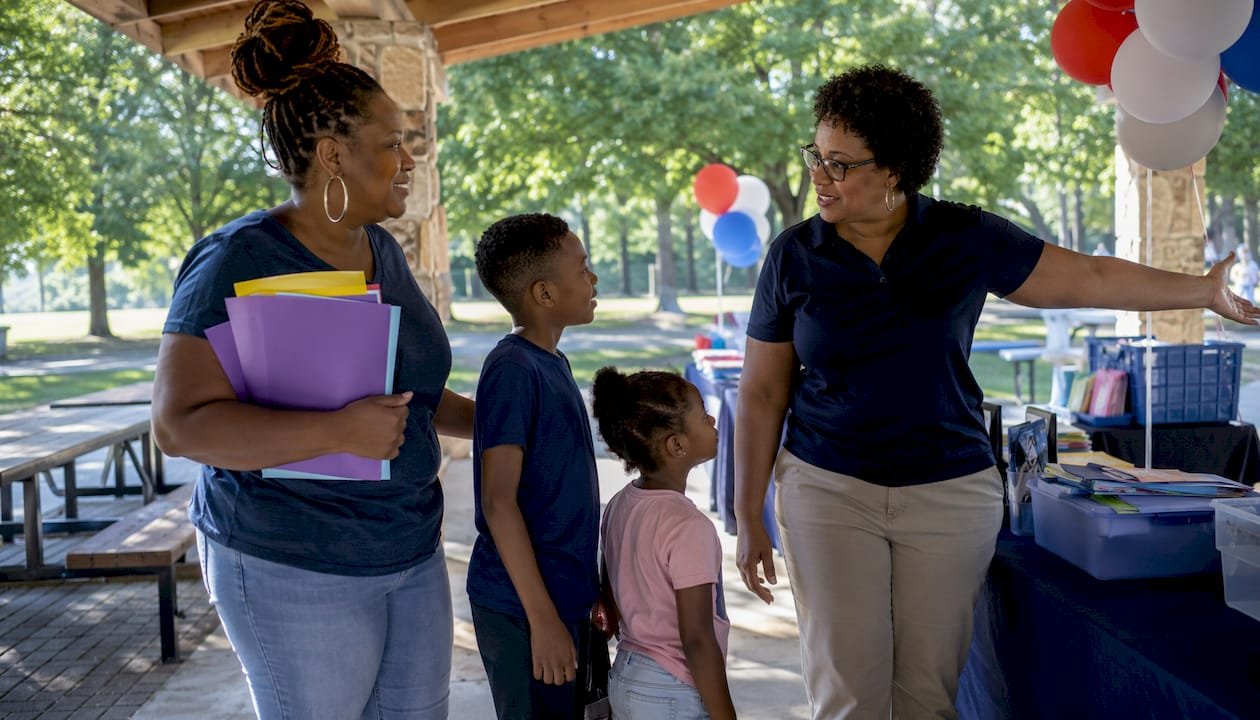
Pro Tip: Arrive within the first 30 minutes of the event’s opening window. Supply giveaways and health screening slots are typically first-come, first-served, and some fill before midday.
How to find back-to-school events in Central Georgia
Several reliable channels cover local events across Macon and the surrounding counties.
- School district websites. Bibb County School District, Houston County Schools, and neighboring district sites post official event calendars and registration links.
- County public health department pages. Health fairs and immunization clinics tied to back-to-school season are listed on county health department sites.
- Public library branches. Many Central Georgia libraries host or publicize back-to-school resource events independently of the school districts.
- Local nonprofit and community organization pages. Organizations partnering with districts on supply drives or health screenings often post event details on their own sites.
- Thecentralgeorgian event listings. Thecentralgeorgian covers school event announcements and publishes verified dates, locations, and requirements for Central Georgia families.
Social media posts about these events circulate widely, but dates and eligibility requirements posted by unofficial accounts are frequently inaccurate. Cross-reference any social media information against the district’s official website or a verified local news source before making plans.
Pro Tip: Pre-register online when the option is available. Digital confirmation on your phone is accepted at most events and eliminates the need to print documents.
Key Takeaways
Back-to-school events serve students, families, and communities by building connection, delivering services, and setting the behavioral and academic tone for the year ahead.
| Point | Details |
|---|---|
| Core purpose | Schools hold these events to build community, reduce first-day anxiety, and connect families to staff and services. |
| First-three-weeks effect | Behavioral expectations set in the first three weeks predict outcomes for the remaining thirty-three weeks of the school year. |
| Documents to bring | Photo ID, proof of residency, immunization records, and registration confirmation are standard requirements at most events. |
| Finding local events | Check district websites, county health pages, and Thecentralgeorgian for verified dates and requirements in Central Georgia. |
| Thecentralgeorgian coverage | Thecentralgeorgian publishes local back-to-school event listings and updates for Macon and surrounding Central Georgia counties. |
What back-to-school events reveal about a community’s priorities
The events that stand out in Central Georgia are not the ones with the longest supply lists. They are the ones where a family walks in uncertain and leaves with a schedule, a nurse’s name, and a sense that the school knows their child exists.
That outcome does not happen by accident. It requires a deliberate decision by school administrators to treat the pre-school event as the first day of the relationship, not a registration line. The districts that get this right tend to involve city health departments, local nonprofits, and sometimes law enforcement in a coordinated way — not as a show of force, but as a visible signal that multiple institutions in the community are invested in what happens in that building. Local nonprofit partnerships are often what make the difference between an event that covers the basics and one that actually reaches families who needed a reason to show up.
The public-safety dimension is real, too. School resource officers and county sheriff’s deputies who participate in back-to-school events build familiarity with students and families before any incident occurs. That familiarity has practical value when a situation arises later in the year.
Thecentralgeorgian keeps Central Georgia families informed on school events
Central Georgia families who want verified, local information on back-to-school events have a direct resource in Thecentralgeorgian. The newsroom covers school district announcements, community health fairs, and supply distribution events across Macon and the surrounding counties — with the specific dates, locations, and eligibility requirements families need before they travel.
Thecentralgeorgian publishes event listings and updates as districts release them. Readers can visit thecentralgeorgian.com to check the current event calendar, sign up for local news alerts, or submit a tip about an upcoming community event. If you know of a back-to-school event in your neighborhood that has not been covered, use the site’s contact form to reach the newsroom directly.
Sources and further reading
The following sources informed this report. Readers are encouraged to consult primary sources directly for the most current dates, eligibility rules, and requirements.
- School Pathways: A community-centered welcome plan for the first weeks of school — CDC-cited research on school connectedness and early engagement strategies
- Deans Roundtable: Rethinking the start of school — Research on behavioral expectations and the first-three-weeks effect
- Digital Record Board: Back-to-School Event Planning Guide — Practitioner guidance on family-experience event design
- AISD Family Support: Back-to-school kickoff — Coalition model for centralized community services
- Springfield Daily Citizen: Springfield Public Schools Back to School Bash — Example of a large-scale district event with open enrollment
- Thecentralgeorgian: How school events are announced — a parent’s guide — Local guidance on announcement channels and verification steps
- Thecentralgeorgian: The role of local nonprofits in community life — Background on nonprofit partnerships at community events
- Bibb County School District — www.bcsdk12.net — Official district calendar and enrollment information for Macon-area families
- Houston County Schools — Official district site for Perry and Warner Robins area families
This article provides general informational guidance. Families should confirm current event dates, eligibility requirements, and document rules directly with their school district or the event organizer before attending.