Why Local Elections Matter for Commerce and Community
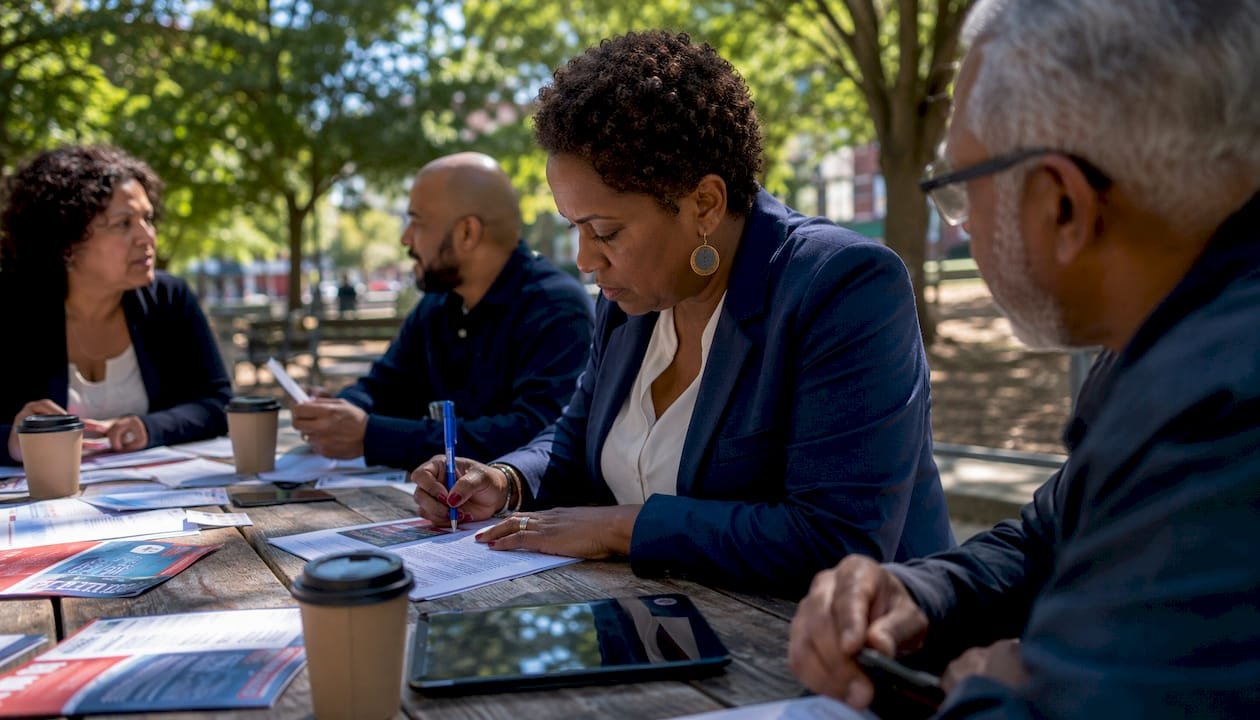
Local elections directly determine the tax rates, zoning rules, infrastructure budgets, and regulatory conditions that shape how businesses operate and how communities grow. Voter turnout in local races is often low, typically between 30% and 40%, which means each vote carries measurable weight. The officials elected in these contests control decisions that affect commercial rents, permit approvals, workforce programs, and public safety funding. For business owners and residents in Central Georgia, understanding why local elections matter to commerce is not an abstract civic exercise. It is a practical matter with direct consequences for daily economic life.
Key facts at a glance:
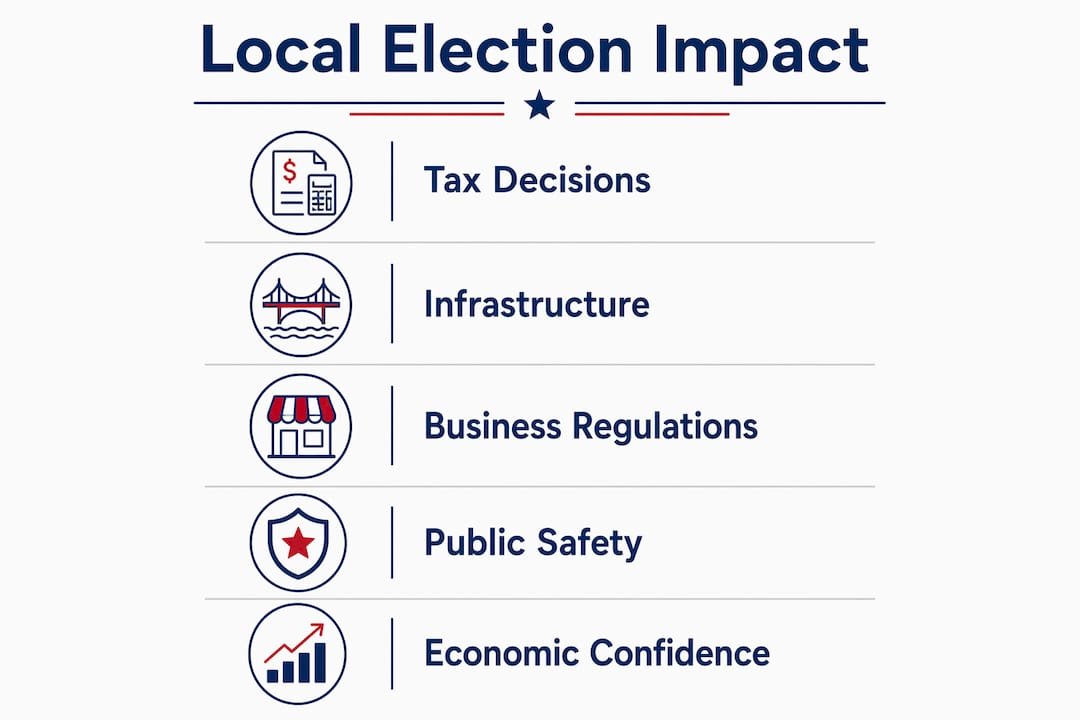
- Local elected officials set property tax rates and utility costs that influence commercial operating expenses.
- Zoning and land use decisions made by local councils determine where businesses can locate and expand.
- Infrastructure investments in roads, utilities, and parking affect business accessibility and customer traffic.
- Low voter turnout in local races means a small number of engaged voters can determine election outcomes.
- Workforce development programs funded through local budgets support hiring and business growth.
Table of Contents
- 1. How local elections shape economic and community issues
- 2. Local elections control where your tax dollars go
- 3. How local officials influence business regulations and policy
- 4. Why each vote carries more weight in local elections
- 5. How local elections affect investment decisions and economic confidence
- 6. How local elections shape commerce in Central Georgia
- Key Takeaways
1. How local elections shape economic and community issues
Local elections affect commerce through several direct policy mechanisms. Tax allocations decided by elected officials fund public safety, road maintenance, and community services that businesses depend on. Zoning and land use regulations, controlled entirely at the local level, determine which commercial activities are permitted in specific areas and under what conditions.
Infrastructure decisions on roads, utilities, and parking directly affect how accessible a business is to customers and suppliers. Council decisions on public space and parking, for example, critically affect high street viability and the survival of small retailers. Workforce development programs funded through local budgets support hiring pipelines that businesses rely on. The policy priorities set during each election cycle determine whether those programs receive adequate funding or are reduced.
2. Local elections control where your tax dollars go
Local government leaders manage property taxes and utility rates that feed directly into commercial rent calculations and operating costs. When elected officials prioritize infrastructure projects, businesses benefit from improved roads, reliable utilities, and maintained public spaces. When those budgets are cut, the costs often shift to businesses through reduced services or deteriorating conditions.
Public safety funding is another budget line decided through local elections. A well-funded police and emergency services presence affects how attractive a commercial district is to customers and investors. Tax policy decisions made by local officials can encourage business investment or create conditions that push businesses to relocate. Local governments hold discretionary power over property tax relief, licensing, and zoning that directly shapes small business overhead and operational flexibility. Voters who engage in local elections have a direct role in determining how those resources are allocated.
3. How local officials influence business regulations and policy
Business owners often underestimate the direct power local councils hold over day-to-day operations. Local officials enact rules on zoning, licensing, and permits that govern where businesses can operate, what hours they can keep, and what modifications they can make to their properties. These are not minor administrative details. They are the framework within which every commercial decision is made.

Local procurement policies also fall under elected officials’ authority. Those policies determine whether government contracts flow to local small businesses or to outside vendors. Property tax relief programs, when enacted, can reduce overhead for small businesses operating on thin margins. Engaging with candidates before and during election seasons is viewed by many business associations as a direct investment in favorable policy outcomes. Business owners who attend candidate forums, submit written comments, or meet with campaigns have documented opportunities to shape the policy agenda before officials take office.
Pro Tip: Attend at least one candidate forum before each local election cycle. Direct questions about zoning, permitting timelines, and small business tax relief give you a clearer picture of where candidates stand than campaign materials alone.
4. Why each vote carries more weight in local elections
Local election outcomes are frequently decided by very narrow margins. In races with small electorates and low turnout, a shift of a few dozen votes can change the result. That dynamic gives individual voters, and particularly organized groups like local business associations, disproportionate influence compared to national elections.
Business owners who vote in local races are not simply exercising a civic right. They are participating in decisions that directly affect their operating costs, their ability to expand, and the commercial environment around them. Voter participation also signals community vitality to outside investors and developers, who monitor civic engagement as one indicator of a stable, growing market. Communities with higher local election turnout tend to attract more sustained economic interest.
5. How local elections affect investment decisions and economic confidence
Business owners delay investments during election seasons when uncertainty about tax policy, zoning changes, and regulatory shifts is high. Clear election outcomes reduce that uncertainty and allow businesses to plan with greater confidence. This pattern applies at the local level just as it does in state and federal races.
Local economic news that tracks election outcomes and subsequent policy changes gives business owners the information they need to time decisions on hiring, capital expenditures, and lease commitments. A community where voters are engaged and election results are decisive tends to produce more stable policy environments. That stability, in turn, supports sustained commercial growth and reduces the risk premium that businesses attach to long-term local investments. For small town businesses, local political stability is often the single most controllable factor in their planning horizon.
6. How local elections shape commerce in Central Georgia
Central Georgia’s local elections directly affect property tax management, infrastructure funding, and workforce policies that determine the operating environment for businesses across Macon, Middle Georgia, and surrounding areas. Elected county commissioners, city council members, and school board officials make budget decisions that fund roads, public safety, and job training programs. Those decisions shape the conditions under which local businesses hire, invest, and grow.
Strategic voting in Central Georgia influences zoning approvals, permitting timelines, and regulatory decisions that affect commercial development. Election outcomes also shape economic confidence. When local leadership is stable and policy direction is clear, businesses are more likely to commit to expansion plans and new hires. Active participation in local elections helps ensure that elected leaders prioritize commerce and quality of life for Central Georgia residents.
Thecentralgeorgian provides timely, credible coverage of local elections and their policy implications for Central Georgia’s business community. Staying informed through reliable local news coverage is one of the most direct ways business owners and residents can track the decisions that affect their daily economic lives.

For ongoing coverage of local elections, economic policy, and community issues affecting Central Georgia, visit Thecentralgeorgian. Thecentralgeorgian also covers workforce issues in Central Georgia and provides a citizen’s guide to local election coverage for readers who want to follow election impacts on business and community development.
Key Takeaways
Local elections determine tax rates, zoning rules, infrastructure budgets, and regulatory conditions that directly shape commercial costs and community economic growth.
| Point | Details |
|---|---|
| Voter turnout is low | Local turnout typically falls between 30% and 40%, giving each vote outsized influence on outcomes. |
| Officials control business costs | Local governments hold discretionary power over property tax relief, licensing, and zoning that affects small business overhead. |
| Narrow margins decide races | Local election outcomes are frequently decided by very narrow margins, making business owner participation highly influential. |
| Investment follows certainty | Business owners delay investments when local tax, zoning, and regulatory outcomes are uncertain. |
| Civic engagement attracts investment | Active voter participation signals community vitality and supports economic confidence among outside investors. |