
Benefits of Following Local News for Residents
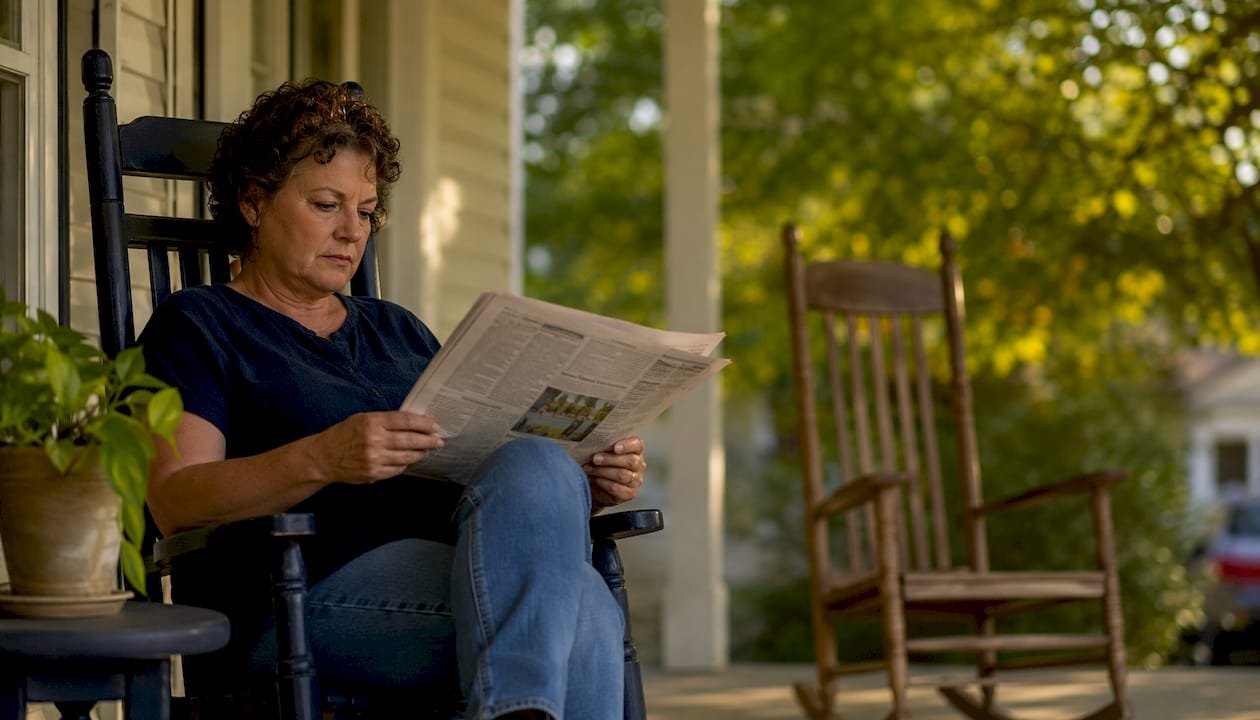
Local news is defined as journalism that covers events, decisions, and issues directly affecting a specific geographic community. The benefits of following local news extend well beyond simple awareness. Residents who read local journalism show higher rates of voting, volunteering, and attending public meetings. Research from the American Journalism Project confirms that nonprofit local news outlets build measurable trust and civic engagement among readers. Thecentralgeorgian covers Central Georgia with exactly this purpose: to give residents the information they need to act, participate, and stay safe in their own communities.
1. Benefits of following local news for community engagement
Local news readers are more likely to vote, attend public meetings, and volunteer than residents who do not follow local coverage. Studies confirm this direct link between local news consumption and civic participation. That connection matters because community decisions, from school board budgets to zoning changes, get made whether residents show up or not.

Nonprofit local newsrooms reach between 20% and 36% of residents in their states, with roughly 75% of those readers reporting trust in the outlet. Trust at that level is rare in media. It creates a foundation for residents to act on what they read rather than dismiss it.
Local news also functions as an on-ramp to civic membership, giving residents a sense of shared responsibility for their community’s future. Readers who feel connected to their community are more likely to ask questions, show up, and hold local officials accountable.
- Local news readers sign petitions at higher rates than non-readers.
- Coverage of public meetings increases attendance at those meetings.
- Readers report feeling more qualified to make decisions about local issues.
Pro Tip: Use your local news outlet as a weekly checklist. If a story mentions a public meeting or comment period, put it on your calendar. That one habit turns passive reading into real participation.
2. How local news improves safety and emergency awareness
Local journalism provides the fastest and most specific safety information available to residents. National outlets do not cover road closures on your street, boil water advisories in your county, or shelter locations during a local storm. Local news does.
Multimedia storytelling in local outlets now includes drone footage, interactive maps, and real-time updates that make complex infrastructure and emergency topics easier to understand. A map showing flood zones in your neighborhood is more useful than a national weather alert covering three states. That specificity changes how residents prepare and respond.
Local news also covers infrastructure decisions before they affect daily life. Road construction timelines, utility shutoffs, and public health advisories all appear in local coverage long before they reach national feeds. Residents who follow local news act more effectively when emergencies occur because they already know the context.
- Local outlets publish evacuation routes and shelter addresses specific to your area.
- Infrastructure reporting alerts residents to construction delays and detours weeks in advance.
- Public health advisories, including water quality and disease alerts, appear first in local coverage.
3. How local news reduces loneliness and social isolation
Counties with less access to local news show higher individual loneliness scores, particularly in rural areas. A 10-point rise in low-news status correlates to a 1.4-point rise in loneliness scores. That is a measurable social cost tied directly to the absence of local journalism.
Consuming local news reduces loneliness by giving residents information about community events and human-interest stories that encourage identification with neighbors. These bonds are more nuanced than social media connections. A story about a neighbor’s small business or a local school’s achievement creates a sense of shared identity that a national feed cannot replicate.
Social media platforms are designed to maximize engagement through conflict and outrage. Local news is designed to inform. That difference in purpose produces a different effect on readers. Residents who shift their reading habits toward local coverage report a clearer sense of where they belong and who their community is.
“Local news gives residents a reason to care about the people living next to them. It turns a zip code into a community.”
Pro Tip: If you feel disconnected from your neighborhood, spend one week reading only local news instead of national feeds. The shift in perspective is immediate and concrete.
4. Practical ways residents use local news to participate
Up to 50% of local news readers recall specific impactful stories that influenced their awareness, engagement, or action. Readers show higher rates of petition signing, meeting attendance, and considering a run for public office. That is not a passive effect. Local news actively changes what residents do.
Local digital platforms now function as community dashboards, aggregating coverage of government meetings, school board decisions, and neighborhood events in one place. Residents use these tools to track issues over time, not just react to single stories. That continuity builds informed, consistent participation.
Understanding how local elections are covered gives residents the context to vote on candidates and ballot measures that directly affect their daily lives. School board races, county commissioner seats, and local referendums have more immediate impact on most residents than federal elections. Local news makes those races legible.
| Story type | Resident impact |
|---|---|
| School board budget coverage | Informs parents on funding priorities and policy changes |
| Local election candidate profiles | Helps residents vote on officials who control local services |
| Infrastructure and road projects | Alerts commuters and homeowners to changes affecting property and travel |
| Crime and public safety reports | Enables residents to take precautions and engage with law enforcement |
| Community event announcements | Increases attendance and participation in neighborhood activities |
5. Why local news reduces anxiety better than national feeds
Focusing on local news reduces anxiety by concentrating attention on manageable, solvable issues in the neighborhood. Experts argue this focus alleviates stress tied to uncontrollable global crises that dominate national news cycles. The difference is agency. Local problems have local solutions that residents can actually pursue.
National and global news cycles are built around scale and urgency. That format is useful for awareness but produces a sense of helplessness in readers who cannot influence the events being covered. Local news covers issues where a single resident’s voice, vote, or attendance can change an outcome. That distinction is significant for mental well-being.
Prioritizing hyperlocal news helps residents focus on problems where they have real influence, which increases their sense of control and community. Residents who feel effective in their community report lower stress and stronger social ties. Local news is one of the most direct ways to build that sense of effectiveness.
- Replace one national news session per day with local coverage.
- Follow local government meeting schedules published in your local outlet.
- Use local economic reporting to understand neighborhood-level trends that affect your household.
- Share local stories with neighbors to build shared awareness and reduce collective anxiety.
6. How local journalism holds local government accountable
Local journalism prevents corruption and inefficiency by monitoring government meetings, budget decisions, and public contracts. When reporters stop attending city council sessions, spending irregularities increase and public participation drops. The presence of a local reporter in a government meeting changes how officials behave.
This accountability function is one of the least visible but most consequential benefits of regional news. Residents rarely see the stories that never happened because a reporter was watching. The deterrent effect of local journalism on local government is real and documented. Communities with active local newsrooms show stronger democratic participation and lower rates of unchecked government misconduct.
Thecentralgeorgian covers police operations, public safety alerts, and government decisions in Central Georgia with this accountability standard in mind. Readers benefit from coverage that goes beyond press releases and follows stories through to their outcomes. That depth of reporting is what separates local journalism from aggregated national content.
7. The role of community publishing in strengthening local media
Community publishing describes the practice of local outlets producing content that reflects and serves a specific geographic audience. This model builds trust because readers recognize their own community in the coverage. That recognition is what drives the civic engagement effects documented in research on local news.
Residents who understand how local media works are better positioned to support it. Subscribing, sharing stories, and submitting news tips all strengthen the local news ecosystem. A newsroom that hears from its readers produces more relevant and accurate coverage. That feedback loop benefits the entire community.
Local news fosters deep belonging by encouraging residents to honor community history and participate in shaping its future. That sense of belonging is not incidental. It is a direct product of journalism that treats residents as participants rather than audiences.
Key Takeaways
Residents who follow local news consistently show higher civic participation, stronger community ties, and lower anxiety than those who rely solely on national or global feeds.
| Point | Details |
|---|---|
| Civic participation increases | Local news readers vote, volunteer, and attend public meetings at higher rates. |
| Safety awareness improves | Local outlets provide specific, timely alerts on emergencies, infrastructure, and public health. |
| Loneliness decreases | Access to local news correlates with lower loneliness scores, especially in rural counties. |
| Anxiety reduces | Focusing on local, solvable issues gives residents a greater sense of control and agency. |
| Accountability strengthens | Local journalism monitors government decisions and deters misconduct in public offices. |
Why local news still matters more than most residents realize
I have covered community news long enough to watch the same pattern repeat. Residents who stay informed locally show up differently. They ask better questions at school board meetings. They know their city council member’s name. They recognize when a public safety alert applies to their street, not just their county.
The research on loneliness and local news surprised me when I first read it. A 1.4-point rise in loneliness scores tied to reduced local news access is not a small effect. It means the absence of a local newsroom has a measurable cost on the people living in that community. That is not an abstract civic concern. It is a public health finding.
What I find most underappreciated is the anxiety reduction effect. Residents who shift their news diet toward local coverage consistently report feeling more capable and less overwhelmed. National news is designed to inform you about things you cannot change. Local news is designed to inform you about things you can. That difference in design produces a different experience in the reader.
Supporting local journalism is not a charitable act. It is a practical investment in the quality of your own daily life. The newsrooms that survive are the ones whose readers treat them as necessary, not optional.
— Ernie
Thecentralgeorgian: Central Georgia news that works for you
Thecentralgeorgian delivers timely, accurate coverage of breaking news, public safety alerts, crime investigations, and community events across Central Georgia, including Macon, Middle Georgia, and surrounding areas.

Residents who want to stay ahead of local elections, school board decisions, and government actions will find Thecentralgeorgian’s local election coverage a direct resource for understanding who is on the ballot and what is at stake. For families, the guide on school event announcements keeps parents connected to what is happening in their children’s schools. Thecentralgeorgian is built for residents who want news that applies to their lives, not just their region.
FAQ
What are the main benefits of following local news?
Local news increases civic participation, improves safety awareness, and reduces loneliness. Research links regular local news consumption to higher rates of voting, meeting attendance, and community involvement.
How does local news reduce anxiety compared to national news?
Local news focuses on issues residents can directly influence, which increases their sense of control. Experts confirm that concentrating on manageable local problems reduces the stress associated with uncontrollable global events.
Does local news actually reduce loneliness?
Yes. Counties with lower access to local news show measurably higher loneliness scores, particularly in rural areas. Human-interest stories and community event coverage build social bonds that national media does not replicate.
How does local news support civic participation?
Up to 50% of local news readers recall specific stories that changed their awareness or prompted action. Readers show higher rates of petition signing, public meeting attendance, and interest in running for local office.
Why is local journalism important for government accountability?
Local reporters attend government meetings, track public spending, and follow stories through to their outcomes. Their presence deters misconduct and gives residents the information they need to hold officials responsible.