Central GA: 4 Criteria That Trigger Levi’s Call (Georgia AMBER Alert)

Georgia’s version of the AMBER Alert is called Levi’s Call, and it exists to get information to the public within minutes of a confirmed child abduction. Law enforcement activates it locally, the Georgia Bureau of Investigation (GBI) verifies the case, and the Georgia Emergency Management Agency (GEMA) pushes it out through wireless alerts, radio, and TV. If you see an alert matching a child, a suspect, or a vehicle description, call 911 immediately. Do not attempt to intervene yourself.
TL;DR:
- Levi’s Call activates only for children 17 or younger believed to be abducted and in imminent danger, with sufficient descriptive information for a speedy alert.
- The system requires quick verification and detailed descriptions at the local level before GBI requests activation through GEMA, often within minutes.
- Alerts are delivered via wireless alerts, radio, TV, county notifications, NOAA Radio, and local broadcasters to maximize coverage and prevent alert fatigue.
- Confirmed Levi’s Call alerts are publicly available on GBI and GEMA websites, with official criteria clearly listed for verification.
- Responder actions are limited to calling 911 and reporting observable details; intervening personally is strongly discouraged.
Table of Contents
- What Levi’s Call Is and How It Connects to the National AMBER Alert System
- The Exact Criteria That Trigger a Levi’s Call
- How a Levi’s Call Bulletin Gets From a 911 Call to Your Phone
- Where You’ll Actually See or Hear an Amber Alert in Georgia
- What to Do the Moment You See a Match
- Mattie’s Call, Kimberly’s Call, and Blue Alert: Georgia’s Other Public Alerts
- How Thecentralgeorgian Covers Active Alerts in Central Georgia
- Where to Verify an Active Alert Right Now
- Why Georgia’s Approach to Alert Fatigue Is the Right Call
- Sources
What Levi’s Call Is and How It Connects to the National AMBER Alert System
Levi’s Call carries the name of Levi Frady, an 11-year-old whose abduction and death led Georgia lawmakers and law enforcement to build a faster public notification system. The GBI designed the program around one goal: get descriptive information about a missing child and a suspected abductor into public hands through radio and television within minutes of confirming an abduction.
Levi’s Call is Georgia’s branded name for what the rest of the country calls an AMBER Alert. Georgia integrates its program with the national Integrated Public Alert and Warning System (IPAWS), so a Levi’s Call activation triggers the same technical infrastructure used for AMBER Alerts nationwide. That means:
- A Georgia broadcast might say “Levi’s Call” on local radio and TV.
- A phone notification through the Wireless Emergency Alerts (WEA) system might say “AMBER Alert” because that’s the national label baked into the technology.
- Both phrases refer to the identical activation, verified by the GBI and distributed by GEMA.
Residents searching for “amber alert Georgia” and residents searching for “Levi’s Call” are looking for the same thing. Local broadcasters typically default to Levi’s Call in their on-air language since that’s the recognized state brand, while phone alerts and national feeds often stick with the AMBER Alert terminology.
The Exact Criteria That Trigger a Levi’s Call
Not every missing child case qualifies. Georgia’s system is deliberately narrow, and understanding why helps explain why some cases you hear about locally never generate a statewide alert.
For an alert to activate as a Levi’s Call, four conditions have to line up:
- The child must be 17 or younger.
- Law enforcement must have a reasonable belief that the child was abducted, not simply missing.
- The child must be in imminent danger of serious injury or death.
- There must be enough descriptive information about the child and the suspected abductor to make the alert actionable.
Investigators also must enter the case into the National Crime Information Center (NCIC) database before or alongside activation, which creates an official record and links the case to other law enforcement systems checking for the child, a vehicle, or a suspect.
That threshold excludes plenty of situations that still feel urgent to a family. A teenager who left home voluntarily is a runaway case, not an abduction, and typically won’t trigger Levi’s Call. A parent who takes a child during a custody dispute without evidence of danger usually falls outside the criteria too, unless investigators develop a reasonable belief that the child faces harm.
Pro Tip: If a missing child case doesn’t produce a statewide alert, that doesn’t mean nothing is happening. Local police often issue their own bulletins and use NCIC entries and interagency alerts even when the criteria for Levi’s Call aren’t met.
The GBI draws this line on purpose. If every missing child report triggered a statewide alert, residents would start tuning them out, and the system would lose the urgency that makes it work when a real abduction occurs.
How a Levi’s Call Bulletin Gets From a 911 Call to Your Phone
The chain moves fast, and knowing who does what helps explain why some alerts arrive within twenty or thirty minutes of a 911 call while others take longer to confirm.
Here’s the typical sequence:
- A local police or sheriff’s department responds to a report, gathers preliminary details, and drafts a bulletin.
- The agency contacts the GBI regional office serving that jurisdiction.
- GBI staff verify the case against activation criteria, draft the official Alert Bulletin, and enter the case into NCIC if it hasn’t happened already.
- GBI requests activation through GEMA, which controls the technical distribution.
- GEMA pushes the alert through the Emergency Alert System (EAS) and Wireless Emergency Alerts (WEA), reaching phones and broadcast stations simultaneously.
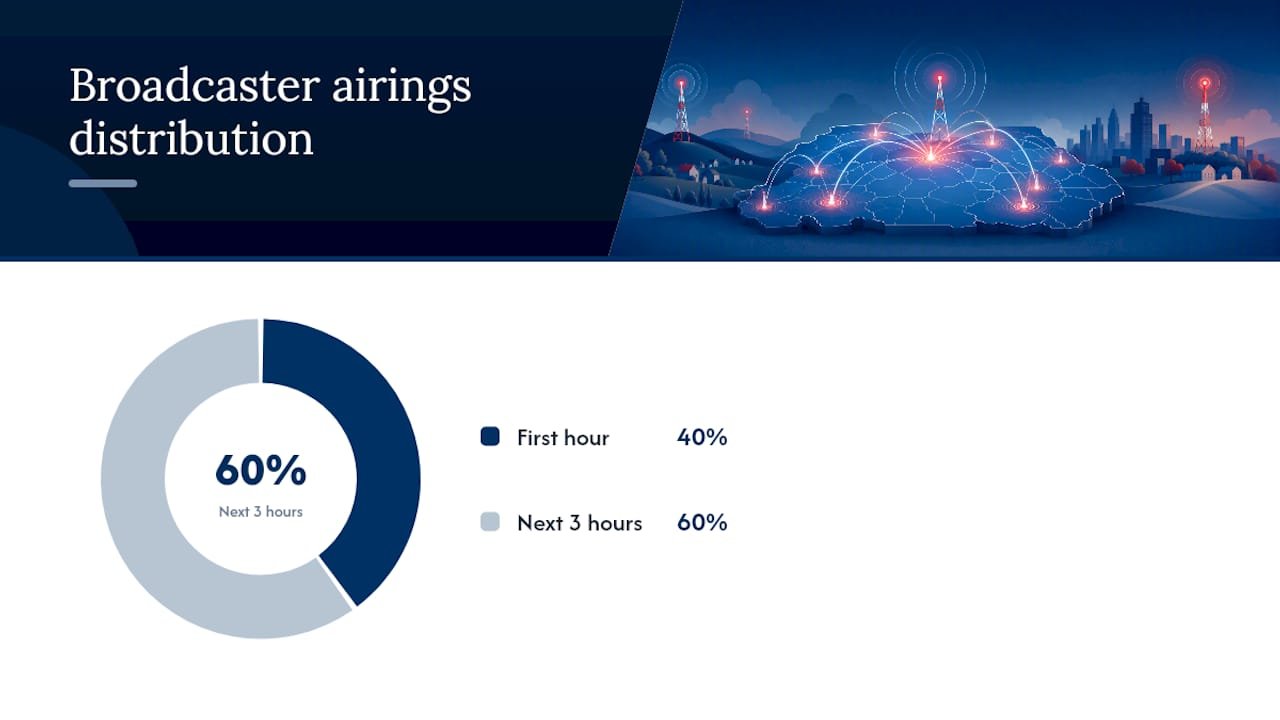
- Broadcasters are asked to air the alert at least twice during the first hour, then once per hour for the following three hours.
A clear, accurate description at the first step carries weight all the way through the chain. Responding officers who capture a solid physical description, a vehicle plate, or a photograph give the GBI’s Alert Bulletin more substance, which in turn gives broadcasters and the public something concrete to watch for. The GBI has noted that speed and descriptive accuracy at the front end are the two biggest factors in whether a Levi’s Call actually helps locate a child. Coordination between the local agency, GBI, and GEMA is what turns a single 911 call into a statewide broadcast within minutes rather than hours.
Where You’ll Actually See or Hear an Amber Alert in Georgia
You don’t need to sign up for anything to get a Levi’s Call on your phone. Wireless Emergency Alerts push automatically to mobile devices in the targeted geographic area, using the same cell tower broadcast technology carriers already have built in. There’s no app to download and no subscription required.
That said, WEA is only one channel, and Georgia’s alert architecture is deliberately redundant:
- Wireless Emergency Alerts (WEA): automatic phone notifications, targeted to the geographic area near the abduction.
- Emergency Alert System (EAS): the same alert broadcast over radio and television stations statewide or regionally.
- Local broadcasters: stations affiliated with the Georgia Association of Broadcasters air the bulletin on the run schedule GEMA requests.
- County notification systems: many Georgia counties run their own opt-in text or call alert programs that often carry Levi’s Call information alongside weather and other emergencies.
- NOAA Weather Radio and local news: additional backups that keep working even if cell service or power gets disrupted.
GEMA specifically recommends layering multiple channels rather than relying on your phone alone, since a dead battery or spotty coverage shouldn’t be the reason you miss an urgent alert.
Pro Tip: Check your phone’s emergency alert settings now, not during an active alert. On most Android and iOS devices, Wireless Emergency Alerts live under Settings > Notifications > Emergency Alerts, and they’re on by default. Confirm yours haven’t been switched off.
Registering for your county’s alert system and setting a NOAA Weather Radio in your home adds a layer WEA can’t cover on its own. Thecentralgeorgian’s guide to monitoring local emergency updates walks through the setup for each channel if you haven’t done it yet.
What to Do the Moment You See a Match
Seeing a description that matches what you’re looking at is rare, but knowing exactly what to do at that moment matters more than almost anything else in this system.
- Call 911 immediately. Don’t call a non-emergency line or wait to verify further.
- Report specific details: your exact location, the direction of travel if the vehicle or person is moving, a license plate number if visible, and a description of the child.
- Do not approach or intervene. Your job is to observe and report, not to confront a potential abductor.
- Note the time you saw the match and, if it’s safe to do so, take a photo of the vehicle or scene without putting yourself at risk.
Pro Tip: If you’re driving when you spot a match, don’t try to follow the vehicle. Pull over safely, call 911, and give dispatchers your location and the direction the vehicle was heading. A trained response team can act on that information faster and more safely than you can on your own.
If you have information that isn’t urgent, such as a tip about where someone might be staying, local police departments and the GBI both take non-emergency tips through their standard contact lines. Every piece of information gets weighed against the active case, even details that seem minor at the time.
Mattie’s Call, Kimberly’s Call, and Blue Alert: Georgia’s Other Public Alerts
Levi’s Call isn’t the only alert Georgia runs, and mixing them up leads to confusion about who’s being searched for and why. The GBI manages a tiered system covering different situations entirely:
- Levi’s Call: children 17 or younger believed abducted and in imminent danger.
- Mattie’s Call: adults missing who have a cognitive impairment, such as dementia or a developmental disability, and are considered at risk.
- Kimberly’s Call: violent offenders currently at large who pose an ongoing threat to public safety.
- Blue Alert: law enforcement officers who have been killed, seriously injured, or gone missing in the line of duty, often tied to a search for a suspect.
If you hear about a missing elderly resident with memory issues, that’s almost certainly a Mattie’s Call, not a Levi’s Call. Recognizing which system applies helps you understand what kind of response is underway and what details investigators actually need from the public.
How Thecentralgeorgian Covers Active Alerts in Central Georgia
Thecentralgeorgian tracks Levi’s Call activations affecting Macon and the surrounding Central Georgia counties, publishing updates as verified information comes from GBI and GEMA rather than repeating unconfirmed social media posts. When an alert is active, the goal is straightforward: get residents the same facts law enforcement is releasing, with the local context that helps you recognize a match if you see one.
A few things worth doing whenever an alert affects your area:
- Follow Thecentralgeorgian for local context and confirmed updates rather than relying solely on secondhand posts.
- Check the GBI directly for the official bulletin language and photos.
- Use Thecentralgeorgian’s local news alert checklist to confirm you’re set up to receive breaking updates before an emergency happens, not during one.
- Review best practices for reading local updates so you can separate verified reporting from rumor when information is moving fast.
Local newsrooms play a practical role here: aggregating official alerts, adding context specific to Macon and the surrounding area, and pointing readers toward the agency contacts that matter.
Where to Verify an Active Alert Right Now
If you want to confirm whether a Levi’s Call is currently active, or you need the exact activation criteria in official language, a handful of sources carry the authoritative version:
- The GBI’s Levi’s Call page lists activation criteria and current guidance directly from the agency running the program.
- Levi’s Call Reports from the Georgia Department of Public Safety archive past activations and outcomes.
- GEMA’s EAS and WEA page explains the technical side of how alerts reach your phone, radio, and television.
- The national AMBER Alert program through the Office of Justice Programs and ready.gov’s IPAWS resources provide background on how Georgia’s system fits into the nationwide framework.
Bookmark the GBI and GEMA pages specifically. Both update faster than most secondhand sources during an active situation.
Why Georgia’s Approach to Alert Fatigue Is the Right Call
The most overlooked part of this whole system is restraint. Georgia could activate Levi’s Call for every missing child report and technically be “doing something,” but the GBI’s narrow criteria exist precisely because a system that cries wolf stops working. Readers sometimes assume a tighter threshold means law enforcement doesn’t care about borderline cases. That’s backwards. It means the alert reserved for the most dangerous, time-sensitive abductions still gets full public attention when it fires, instead of blending into a stream of notifications people learn to ignore.
Where conventional advice falls short is treating “check your phone” as sufficient preparation. WEA is automatic, but it’s tied to geography and cell coverage, both of which fail at exactly the wrong moment. The residents best positioned to actually help during a Levi’s Call are the ones who’ve already layered county alerts, NOAA radio, and local news into their routine, and who know the difference between calling 911 and trying to be a hero. That second part matters more than most articles admit: your value in that moment is accurate, fast information to dispatchers, not intervention.
— Ernie
Sources
- Levi’s Call | Georgia Bureau of Investigation
- EAS and WEA | Georgia Emergency Management and Homeland Security Agency