Best Practices Reading Local Updates in Central Georgia
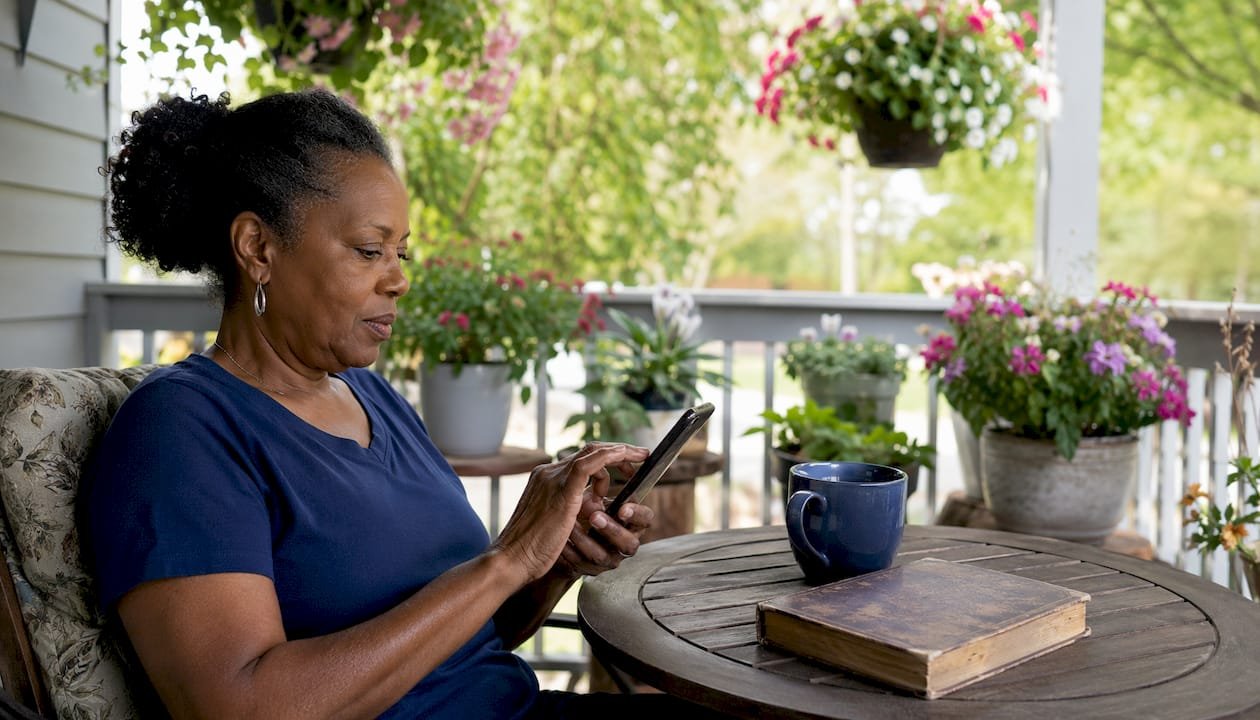
The fastest way to stay reliably informed in Central Georgia is to own your alert channels directly. Subscribe to Thecentralgeorgian’s newsletter, enable Wireless Emergency Alerts (WEA) on your phone, register with your county Emergency Management Agency (EMA) for Nixle or CodeRED/Everbridge SMS alerts, and cross-check any major notice against the National Weather Service (NWS/NOAA) or FEMA before acting. Social media feeds are subject to algorithm suppression and should not serve as a primary source for time-sensitive public-safety updates.
Quick setup checklist:
- Subscribe to Thecentralgeorgian’s email newsletter at thecentralgeorgian.com
- Confirm WEA is enabled in your phone’s notification settings
- Register your address and phone number with your county EMA (Nixle or CodeRED/Everbridge)
- Bookmark the NWS Atlanta forecast page for severe-weather verification
- Enable push notifications from Thecentralgeorgian’s mobile site
When an alert arrives:
- Verify the source: check the timestamp, byline, and issuing agency
- Cross-check severe-weather alerts against NWS/NOAA watches and warnings
- Confirm evacuation or shelter orders against FEMA bulletins or county EMA notices
- Move to a safe location if the alert requires it, then notify household members
- Follow official instructions only — do not act on unverified social media posts
Pro Tip: Set your phone to “Priority” or “Emergency Alerts Only” during non-emergency periods. This prevents notification fatigue while preserving delivery of life-safety WEA messages, which arrive in seconds without any opt-in required.
Owned channels — newsletters and SMS — are less susceptible to platform algorithm suppression than social feeds, making them the most auditable path for time-sensitive notices.
Table of Contents
- What types of public-safety alerts are common in Central Georgia?
- How to decode emergency jargon in local alerts
- Quick action checklist for common Central Georgia emergencies
- How to coordinate with family and community members during emergencies
- Thecentralgeorgian keeps Central Georgia residents informed in real time
- Key Takeaways
What types of public-safety alerts are common in Central Georgia?
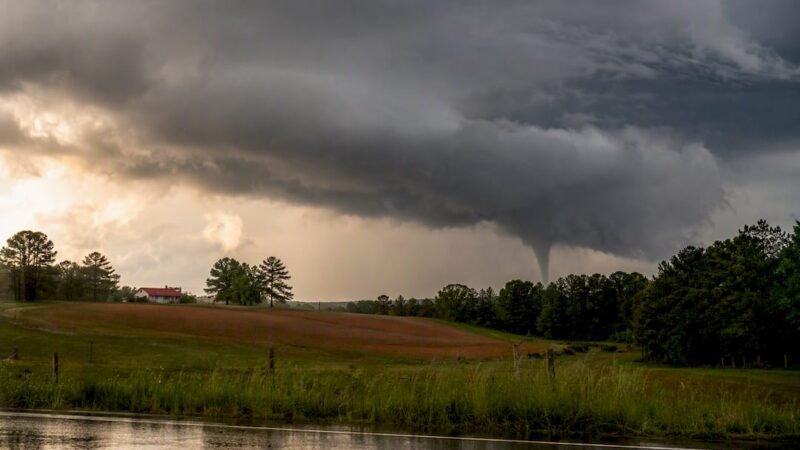
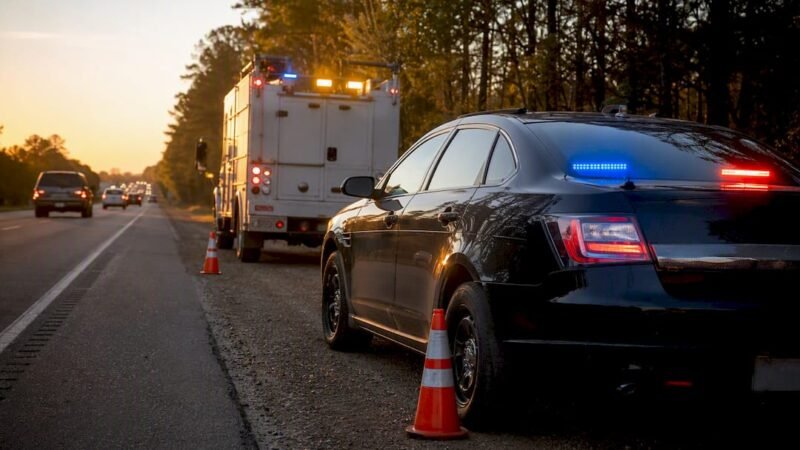
Central Georgia residents receive several categories of official alerts. Severe-weather notices cover tornado warnings, flash flood watches, and tropical storm advisories issued by NWS Atlanta. Law enforcement alerts include active police operations, road closures tied to incidents, and BOLO (Be On the Lookout) notices. Public health advisories address water-quality issues, disease outbreak notifications, and boil-water orders. Infrastructure alerts cover utility outages, bridge closures, and road hazards. Each type carries different urgency. A tornado warning requires immediate shelter; a boil-water advisory requires action within hours. Thecentralgeorgian covers all of these categories, including local infrastructure news that affects daily routines.

How to decode emergency jargon in local alerts
Official alerts use standardized terminology that residents should recognize. A watch means conditions are favorable for a hazard to develop; a warning means the hazard is imminent or occurring. “Shelter in place” means remain indoors and seal entry points. “Evacuation order” is a directive to leave a defined area immediately, distinct from an “evacuation advisory,” which is a recommendation. “Non-life-threatening injuries” is standard law enforcement and EMS language indicating victims are stable. When an alert references a specific county zone or NWS forecast zone, cross-reference it against the NWS zone map to confirm whether your address falls within the affected area.
Quick action checklist for common Central Georgia emergencies
| Scenario | Immediate steps |
|---|---|
| Tornado warning | Move to interior room, lowest floor; stay away from windows |
| Flash flood watch | Avoid low-lying roads; monitor NWS for upgrade to warning |
| Active police operation nearby | Stay indoors; follow law enforcement instructions |
| Boil-water advisory | Use bottled or boiled water; check county EMA for lift notice |
| Power outage | Report to utility provider; check county EMA for estimated restoration |
Keep a printed copy of this checklist and your county EMA’s registration page in a household emergency kit. Digital alerts can fail during infrastructure outages. A local news alert checklist tailored to Central Georgia is available for reference.
How to coordinate with family and community members during emergencies
Designate one out-of-area contact as a household communication point. Local cell networks can become congested during major emergencies, making text messages more reliable than voice calls. Establish a meeting location in advance for scenarios where household members cannot return home. Share verified alert sources — Thecentralgeorgian, county EMA pages, and NWS — with family members so everyone draws from the same confirmed information. Avoid forwarding unverified social media posts, which can spread inaccurate evacuation routes or shelter locations. Local digital outreach from county agencies increasingly uses SMS and app-based alerts precisely because they reach residents faster and more reliably than broadcast media alone.
Residents can also support community preparedness by sharing sourced corrections with Thecentralgeorgian, attending public safety events, and sending verified tips to the newsroom. Editorial leaders note that active audience engagement shapes coverage priorities and improves the speed of safety reporting.
Thecentralgeorgian keeps Central Georgia residents informed in real time
Thecentralgeorgian delivers breaking news, crime investigations, and public-safety alerts for Macon, Middle Georgia, and surrounding areas. Subscribers receive direct notifications before stories reach social feeds, with no algorithm standing between the newsroom and their inbox.
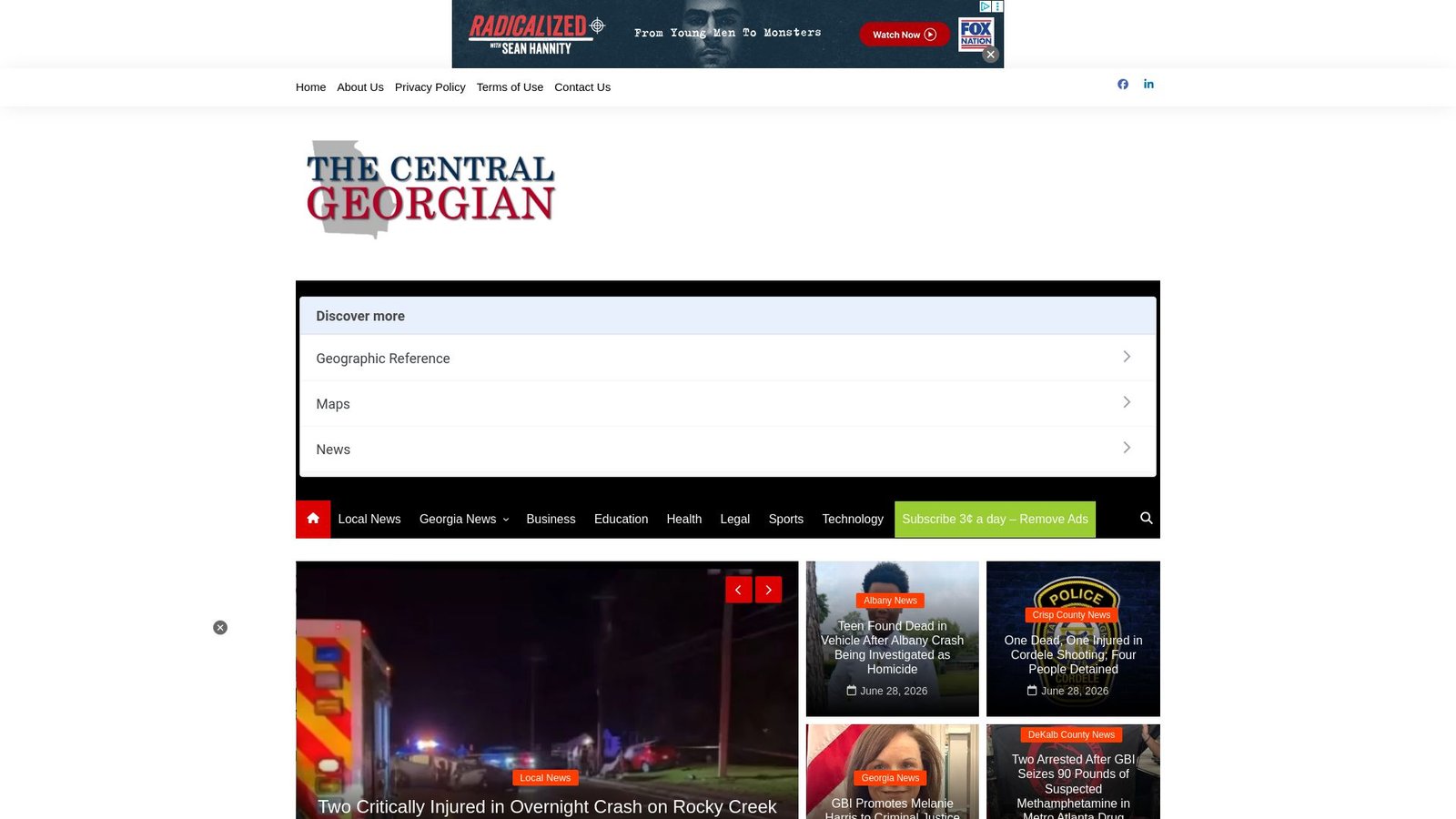
Subscribing takes under two minutes. Visit thecentralgeorgian.com, enter your email for the newsletter, and enable push notifications on mobile. For step-by-step guidance on reading and acting on official notices, the government announcements guide covers the full process. Attending community events and submitting tips to the newsroom also helps reporters prioritize the public-safety beats that matter most to your neighborhood.
Key Takeaways
Reliable local updates in Central Georgia require owned alert channels, verified sources, and a clear household action plan before an emergency occurs.
| Point | Details |
|---|---|
| Own your alert channels | Subscribe to newsletters and SMS alerts; do not rely on social media feeds alone. |
| Verify before acting | Cross-check severe-weather alerts with NWS/NOAA and major civil emergencies with FEMA. |
| Know the terminology | “Warning” means imminent; “watch” means conditions are developing — act accordingly. |
| Coordinate your household | Designate an out-of-area contact and pre-set a meeting location before an emergency. |
| Thecentralgeorgian | Provides real-time breaking news and public-safety alerts for Central Georgia via direct newsletter and push notifications. |