
Ways News Impacts Daily Life: What You Need to Know

News is defined as reported information about current events that directly shapes how people think, feel, and act every day. The ways news impacts daily life extend far beyond headlines. News influences your mood before breakfast, affects your health decisions by midday, and shapes your political views by evening. Global trust in news has fallen to an all-time low of 37%, a sign that readers are more skeptical and selective than ever. At the same time, 17% of U.S. adults show signs of severe problematic news engagement, with nearly 74% of that group reporting frequent mental health struggles. Understanding these effects is the first step toward consuming news in a way that keeps you informed without harming your well-being.
1. How news impacts daily life through emotional well-being
News consumption is the leading environmental trigger for stress in adults who follow current events regularly. The brain treats threatening news as a real physical danger, releasing cortisol and activating the fight-or-flight response. That reaction was useful for early humans facing predators. It is not useful when triggered by a 24-hour cable news cycle.
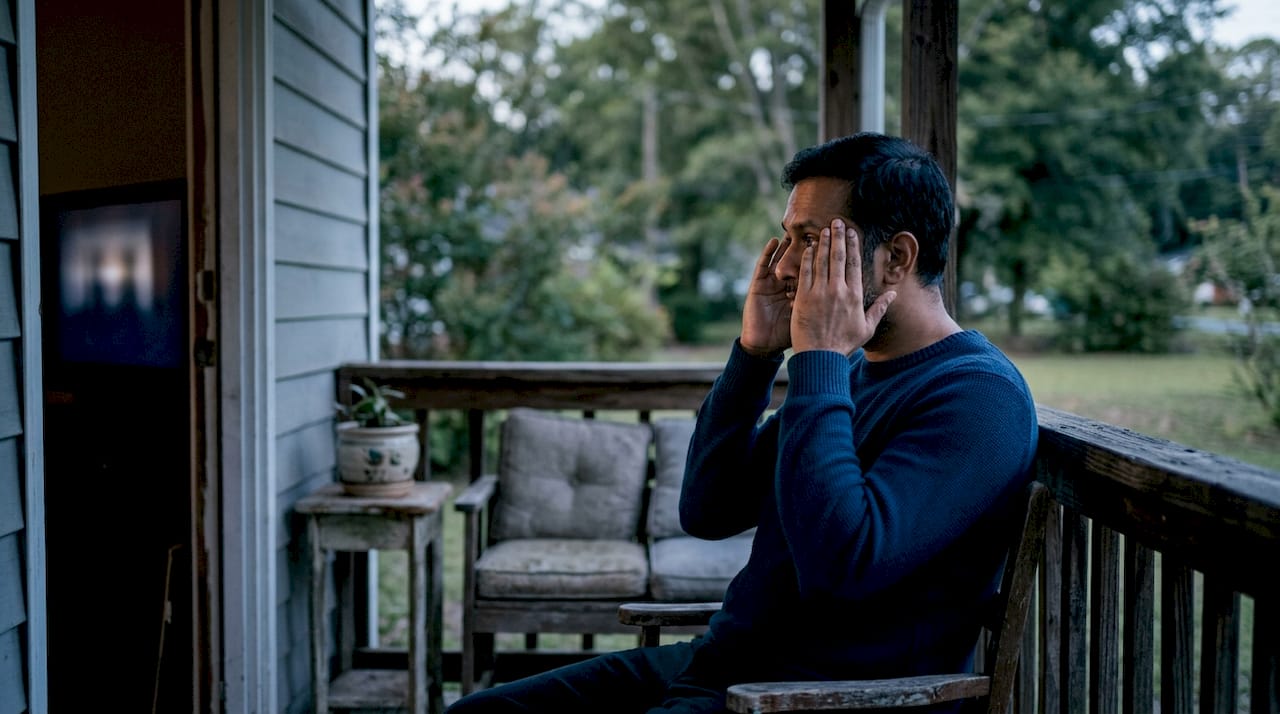
Researchers call the extreme end of this pattern problematic news consumption (PNC). Among people with severe PNC, 61% report feeling physically unwell frequently, compared to just 6% of those without it. That gap shows how much the body pays for compulsive news habits.
The symptoms of heavy news exposure include:
- Persistent anxiety and difficulty concentrating
- Disrupted sleep from late-night news checks
- Emotional numbness or detachment from local community issues
- Increased irritability in personal relationships
- Physical complaints including headaches and fatigue
“The gap between awareness of a problem and the ability to act on it is the core driver of news-related psychological distress. When readers feel informed but powerless, stress compounds rather than resolves.”
Taking small actions after consuming difficult news signals to the brain that a threat has been addressed. Even a small step, such as signing a petition or attending a local meeting, reduces the cortisol response.
Pro Tip: Set two defined news windows each day, one in the morning and one in the early evening, and avoid news for at least one hour before bed. Time-boxing news consumption improves mental regulation without cutting you off from important information.
2. How news shapes public health attitudes and behavior
The source of your news directly predicts your health behavior. Formal news sources increase compliance with health guidelines, including mask wearing and vaccination intentions. Informal channels, such as social media groups and unverified blogs, reduce compliance and increase conspiracy beliefs.
This finding has real consequences. During public health events, the information channel a person trusts most determines whether they follow official guidance. Political ideology compounds the effect. Readers who distrust institutional media are more likely to seek out alternative sources that confirm existing beliefs.
The media source effect on vaccine attitudes is measurable. Use of “new right” digital media correlates with more than double the vaccine hesitancy compared to non-users. That is not a marginal difference. It represents a direct line between media diet and public health outcomes.
| News Source Type | Health Compliance | Conspiracy Belief Risk |
|---|---|---|
| Formal broadcast and print | High | Low |
| Public health agency channels | High | Very low |
| Social media groups | Low | High |
| Unverified digital media | Very low | Very high |
Strategies that improve public health communication include:
- Partnering with trusted local journalists to distribute official guidance
- Using plain language in health advisories rather than technical terminology
- Addressing misinformation directly and early in public statements
- Providing clear, actionable steps alongside risk information
3. How news shapes community awareness and local engagement
Local news is the primary driver of civic participation. Readers who follow local coverage are more likely to vote in local elections, attend community meetings, and respond to public safety alerts. The importance of news in everyday life becomes clearest at the local level, where coverage directly affects decisions about schools, safety, and neighborhood events.
News avoidance is rising and the consequences are measurable. 40% of people globally now report avoiding news due to its negative effects on mood and perceived control. That is the highest level ever recorded. When residents disengage from local news, awareness of public safety issues, election dates, and community events declines.
| Type of Local News | Community Impact |
|---|---|
| Public safety alerts | Faster emergency response and preparedness |
| Election coverage | Higher voter turnout and civic participation |
| Cultural event listings | Stronger community identity and attendance |
| Crime investigations | Increased awareness and prevention behavior |
| Public health advisories | Better compliance with local health guidance |
Format matters as much as content. The Reuters Institute 2026 Digital News Report shows that the majority of readers now consume online news video weekly, ahead of broadcast TV in most markets. Readers want news that feels accessible and personally relevant. Platforms that adapt to video and influencer-led formats reach audiences that traditional broadcast misses entirely.
Thecentralgeorgian addresses this directly by combining real-time updates with community-focused storytelling. Coverage of police operations, public health advisories, and local elections gives Central Georgia residents the specific information they need to act, not just observe.
4. How news exposure drives social attitudes and political polarization
Like-minded news exposure intensifies political polarization. Research published in 2026 confirms that consuming news from sources that align with existing beliefs increases attitude extremity and amplifies polarizing social media expression. The effect is strongest among readers who consume news primarily through social media feeds.
Cross-cutting exposure works in the opposite direction. Readers who regularly encounter viewpoints that differ from their own show reduced affective polarization over time. The mechanism is straightforward: exposure to different perspectives makes it harder to dismiss opposing groups as entirely wrong.
Misinformation accelerates the problem. Echo chambers and misinformation erode social trust and push attitudes toward extremes. Once a reader’s information environment is sealed, correcting false beliefs becomes significantly harder. Early exposure is critical. A few social media posts from self-styled experts can strongly influence opinion before a reader encounters verified reporting.
Practical steps to reduce polarization through news habits:
- Follow at least two news sources with different editorial perspectives
- Read past the headline before forming or sharing an opinion
- Distinguish between news reporting and opinion columns within the same outlet
- Check claims against primary sources such as government databases or peer-reviewed studies
- Limit social media as a primary news source and supplement with direct outlet access
Pro Tip: When a headline triggers a strong emotional reaction, wait 10 minutes before sharing it. Rapid opinion formation from limited exposure is one of the primary drivers of misinformation spread.
Key Takeaways
News consumption directly shapes mental health, health behavior, civic participation, and political attitudes, making intentional and source-aware reading the most effective approach to staying informed.
| Point | Details |
|---|---|
| News triggers physical stress responses | 61% of heavy news consumers report frequent physical symptoms, compared to 6% of light consumers. |
| Source type predicts health compliance | Formal news channels increase vaccination and mask-wearing intentions; informal channels reduce them. |
| Local news drives civic participation | Readers who follow local coverage are more likely to vote, attend meetings, and respond to safety alerts. |
| Like-minded exposure increases polarization | Consuming only aligned news intensifies political attitudes; diverse sources reduce affective polarization. |
| Time-boxing reduces news-related stress | Defined consumption windows improve mental regulation without cutting off awareness of important events. |
My take on staying informed without paying the mental cost
News avoidance is not the answer. Avoiding news entirely can paradoxically increase anxiety and misinformation exposure, because the information vacuum gets filled by rumor and social media noise. The real challenge is building a consumption habit that keeps you informed and functional at the same time.
What I have found works is treating news like a scheduled task rather than a background feed. Two defined windows per day, a brief check in the morning and a longer read in the early evening, covers the essential without the compulsive refresh cycle. The key is closing the loop. After reading about a local issue, take one concrete step: contact a council member, attend a public meeting, or share verified information with a neighbor. That action signals to your brain that awareness has translated into agency, and the stress response settles.
The local angle matters more than most readers realize. National and international news creates the feeling of being informed while offering very little you can act on directly. Local news, by contrast, gives you information that connects directly to your school, your street, and your vote. The role of local media in shaping daily decisions is underestimated precisely because it is less dramatic than national coverage. That is exactly why it deserves more of your attention.
— Ernie
Thecentralgeorgian: your source for local news that matters
Staying informed about Central Georgia means having a reliable source that covers the issues affecting your neighborhood, not just national headlines.
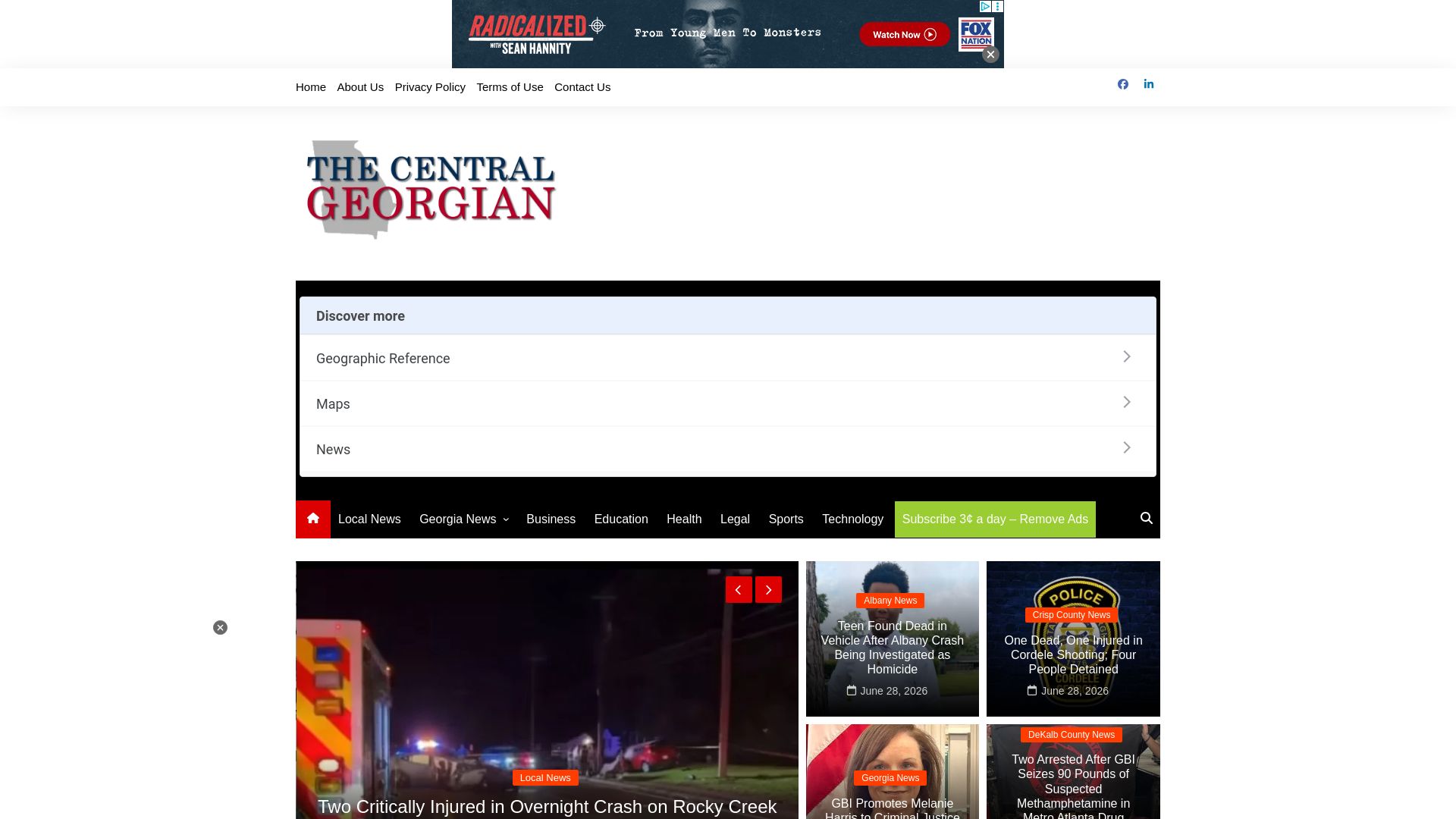
Thecentralgeorgian covers breaking news, public safety alerts, crime investigations, and community events across Macon, Middle Georgia, and surrounding areas. Readers who follow local coverage make better-informed decisions about public safety, civic participation, and daily routines. The platform’s local election coverage gives residents a clear view of how their vote connects to local outcomes. For broader community engagement, the nonprofit events guide highlights how local organizations shape community life. Visit Thecentralgeorgian to stay current on the stories that affect your daily life directly.
FAQ
How does news affect mental health?
Heavy news consumption activates the brain’s stress response, raising cortisol levels and triggering anxiety, sleep disruption, and physical symptoms. Research shows 74% of people with severe problematic news consumption report frequent mental health struggles.
What is problematic news consumption?
Problematic news consumption (PNC) is a pattern of compulsive news checking that causes significant mental and physical distress. Severe PNC affects 17% of U.S. adults, with 61% of that group reporting frequent physical symptoms.
Does the type of news source affect health behavior?
Formal news sources increase compliance with public health guidelines, while informal channels such as social media groups reduce compliance and raise the risk of conspiracy belief. The difference in outcomes between source types is significant and well-documented.
How does news consumption influence political polarization?
Consuming news from sources that align with existing beliefs intensifies political polarization and extreme attitudes. Exposure to cross-cutting viewpoints reduces affective polarization over time, according to 2026 research on mass and social media effects.
Why is local news important for daily decisions?
Local news directly informs decisions about public safety, elections, and community events in ways that national coverage does not. Readers who follow local reporting are better positioned to respond to emergency alerts, participate in civic processes, and engage with their communities.