
Georgia DOT Establishes Monarch Butterfly Meadows Along Highways Across the State
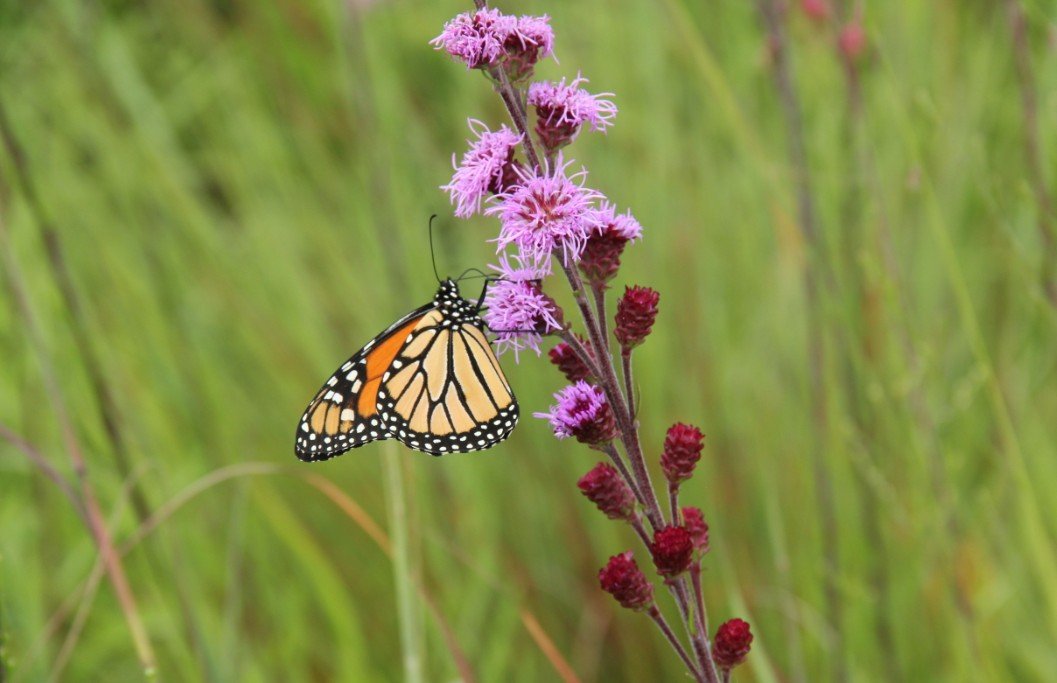
ATLANTA – The Georgia Department of Transportation is turning portions of highway rights-of-way into habitat for monarch butterflies and other pollinators through a new project establishing meadows at nine locations across Georgia.
Georgia DOT partnered with The Ray, a Georgia-based nonprofit focused on sustainable transportation infrastructure, to establish the nine pollinator meadows using native vegetation and flowering plants.
The sites represent Georgia DOT’s first installed acreage banked through the Nationwide Candidate Conservation Agreement with Assurances for the Monarch Butterfly on Energy and Transportation Lands. The voluntary conservation initiative encourages transportation agencies and other land managers to create and maintain monarch habitat on transportation and energy properties.
Monarch populations have declined in recent years, prompting efforts to preserve and expand habitat along the butterflies’ migration routes.
“These pollinator sites demonstrate how transportation infrastructure and environmental stewardship can create meaningful conservation opportunities,” Georgia DOT Commissioner Russell R. McMurry said.
As part of the project, Georgia DOT prepared the roadside locations and changed mowing practices to give native vegetation and flowering plants more opportunity to grow. The plants can provide nectar and habitat for monarchs and other pollinators.
The Ray coordinated planting and evaluation of the sites. Researchers are monitoring plant growth and coverage, pollinator activity and how native plants perform under varying roadside conditions.
The project is also examining whether native vegetation can serve purposes beyond creating wildlife habitat.
Josh Weaver, natural capital manager at The Ray, said the nine locations have different soils, slopes and growing conditions. Researchers will evaluate whether the vegetation can help stabilize highway slopes, control erosion and provide a practical option for long-term roadside management.
Georgia DOT and The Ray plan to continue monitoring the meadows as the plantings become established. Data gathered from the nine locations will be used to evaluate the roadside habitat program and identify opportunities for similar projects in the future.