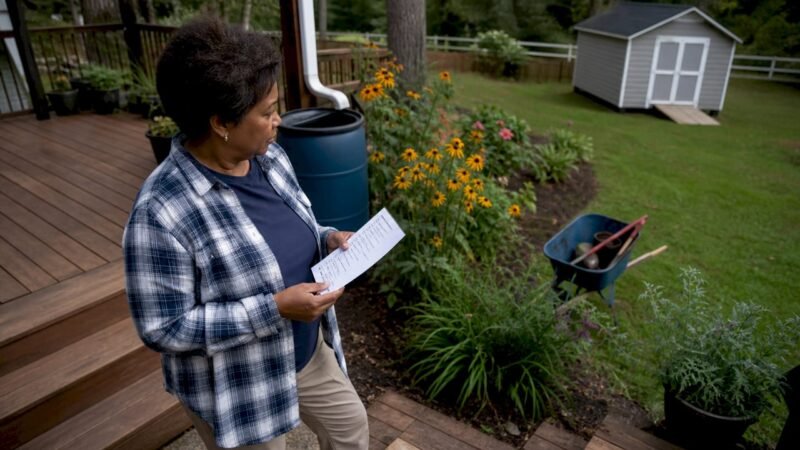
Local News Alert Checklist for Central Georgia Residents

A local news alert checklist is a systemized approach to tracking, verifying, and acting on safety and community news notifications before, during, and after an emergency. Residents who rely on a single app or social feed miss critical updates that only reach those with layered alert systems. Thecentralgeorgian, NOAA All-Hazards Weather Radio, county emergency notification systems, and regional transit departments each carry distinct information that no single source replicates. Building a structured checklist across these channels is the most reliable way to stay informed and respond correctly.
1. What are the key types of local news alerts every resident should know?
Alert categories determine how fast you must act. Treating every notification with the same urgency leads to either panic or complacency, both of which reduce community safety.
The four primary alert categories are:
- Immediate life-safety alerts. Tornado warnings, active threat notifications, and flash flood emergencies require action within minutes. Severe tornadoes rated EF3 or higher represent only 6% of all U.S. tornadoes but cause more than 75% of tornado deaths. That statistic means a tornado warning for a strong storm demands immediate shelter, not a wait-and-see response.
- Protective action alerts. Shelter-in-place orders and evacuation notices require residents to follow specific geographic instructions. Acting without confirming whether your address falls inside the affected zone wastes resources and creates unnecessary risk.
- Search and information alerts. Amber Alerts and missing person notices require public awareness rather than physical action. Sharing verified details through official channels supports law enforcement response.
- Status update alerts. Power outage notices, road closures, and boil-water advisories affect daily routines without requiring immediate evacuation. These updates benefit from regional news tracking through a trusted local newsroom.
Understanding the watch versus warning distinction is equally critical. A watch means conditions are favorable for a hazard to develop. A warning means the hazard is confirmed or imminent. Confusing the two is one of the most common errors residents make.
Pro Tip: Set your phone’s notification settings to allow critical government alerts at all times, even when Do Not Disturb is active. Most devices have a dedicated toggle for this under emergency alerts.

2. How to build a reliable local alert system with layered information sources
A single alert source creates a single point of failure. A four-layer information stack is the standard recommended approach for residents who want reliable coverage.
The four layers work as follows:
- Official county emergency alerts. Sign up directly through your county’s emergency management office. In 2026, Ada County launched Ada Alert, a new notification system built for faster and more secure public alerts after a data breach compromised its previous platform. Check whether your county has updated its system recently, as many counties are transitioning to newer platforms for better data security and faster transmission.
- Transit and infrastructure sources. Your county transit department and state department of transportation publish road closure and evacuation route updates that official emergency alerts do not always include.
- Trusted local newsrooms. Local newsrooms provide context that raw alerts cannot. They clarify complex notices, verify official data, and report on conditions as they evolve. Thecentralgeorgian covers breaking public safety events in Central Georgia with real-time updates and follow-up reporting that fills the gap between official bulletins.
- Backup mapping and navigation tools. Mapping apps update road conditions and closures in near real time. During evacuations, these tools identify alternate routes when primary roads are blocked.
Beyond the four layers, NOAA All-Hazards Weather Radio remains a critical backup when cell networks are congested or down. Program your radio to your specific county FIPS code. Most residents skip this step and receive alerts for neighboring counties, which contributes to alert fatigue.
Review and update all subscriptions at the start of each storm season. Contact information changes, counties switch platforms, and notification preferences reset after software updates.
Pro Tip: Keep a printed list of your alert subscriptions with login credentials stored in your emergency kit. If your phone is lost or damaged during a disaster, you can re-register quickly from another device.
3. How to assess and respond to local emergency alerts using a four-question checklist
A standardized four-question framework helps residents interpret any alert accurately and decide on the correct response without confusion. The four questions are: What is the hazard? Who is affected? What action is required? When was the information last updated?
Each question serves a specific purpose:
- What is the hazard? Identify whether the threat is weather-related, criminal, environmental, or infrastructure-based. The hazard type determines which of your alert layers carries the most current information.
- Who is affected? Warnings use geographic polygons that indicate precise threat areas, not county-wide coverage. Checking geographic boundaries during a shelter-in-place order confirms whether your specific address is inside the affected zone. Acting without this confirmation causes unnecessary panic or delays effective response.
- What action is required? Official alerts specify whether residents should evacuate, shelter in place, avoid an area, or simply monitor conditions. Follow the stated instruction rather than social media speculation.
- When was the information last updated? Alert timestamps matter. Meteorologists advise checking hourly forecasts for 3–6 hours ahead rather than relying only on current conditions. A warning issued two hours ago may have been upgraded, downgraded, or canceled.
After answering all four questions, monitor at least two channels for updates. Conditions during active emergencies change rapidly, and a single source may lag behind official revisions.
Pro Tip: Screenshot the original alert with its timestamp. If conditions change and you need to explain your actions to family or emergency personnel, you have a clear record of what information was available and when.
4. Common mistakes to avoid when following local news alerts
Alert errors fall into predictable patterns. Recognizing them in advance reduces the risk of acting on bad information or missing a critical warning.
The most frequent mistakes include:
- Confusing watches with warnings. A tornado watch covers a broad area where conditions may produce tornadoes. A tornado warning means a tornado has been detected or confirmed. The required response is completely different.
- Failing to program NOAA Weather Radios correctly. NOAA All-Hazards Weather Radios must be programmed to your specific county FIPS code. Without this step, the radio broadcasts alerts for surrounding counties, which trains residents to ignore notifications that may not apply to them.
- Overreliance on one app or social feed. Social platforms spread unverified information faster than official channels correct it. A single app may also experience outages during the high-traffic periods that accompany major emergencies.
- Ignoring alert timing and geographic details. An evacuation order for a specific zip code does not apply to the entire county. Reading the full alert text rather than only the headline prevents misinterpretation.
- Notification fatigue. Receiving too many low-priority alerts causes residents to disable notifications entirely. Segment your subscriptions by priority: life-safety alerts on always, status updates on scheduled check-in times.
Regular drills and seasonal reviews of your emergency plan address the habits that make these mistakes less likely. Testing your NOAA radio, confirming your county alert registration, and reviewing your household evacuation plan before storm season begins are concrete steps that take less than 30 minutes.
5. Best practices for verifying, sharing, and acting on local news alert information
Verification before sharing is the single most effective way to prevent misinformation from spreading during an emergency. Unverified posts during active incidents have caused residents to take incorrect actions, including evacuating areas not under any order.
Apply these verification standards before acting or sharing any alert:
- Check the source. Official alerts come from FEMA’s Integrated Public Alert and Warning System (IPAWS), county emergency management offices, the National Weather Service, and law enforcement agencies. Alerts from social accounts without official verification require cross-checking.
- Look for a timestamp and location. A credible alert includes the time it was issued, the specific geographic area affected, and the issuing authority. Missing any of these three elements is a signal to verify further.
- Cross-verify with a second official channel. Automated mass notification systems supplement but do not replace traditional emergency channels. Residents must still maintain the ability to call 911 for immediate life-threatening emergencies.
- Avoid reposting incomplete information. Sharing a partial alert without the action instructions or geographic boundaries can cause more harm than not sharing at all.
- Use Thecentralgeorgian for follow-up coverage. After an initial alert, Thecentralgeorgian provides context, updates, and verified reporting on how the situation is developing in Central Georgia. This local news coverage fills the gap between official bulletins and public understanding.
Establish a communication plan that includes an out-of-area contact. During regional emergencies, local phone networks often become congested. An out-of-area contact can relay information between family members when local calls fail.
Pro Tip: Text messages travel more reliably than voice calls during network congestion. Designate one out-of-area family member as the communication hub and share that person’s number with every household member in advance.
Key Takeaways
A reliable local news alert checklist combines layered sources, a four-question assessment framework, and regular verification habits to keep residents accurately informed during any emergency.
| Point | Details |
|---|---|
| Layer your alert sources | Use at least four channels: county alerts, transit updates, local newsrooms, and mapping tools. |
| Know your alert categories | Distinguish immediate life-safety alerts from status updates to calibrate your response correctly. |
| Apply the four-question framework | Ask what the hazard is, who is affected, what action is required, and when the alert was last updated. |
| Program NOAA radios by FIPS code | Incorrect programming delivers irrelevant alerts and trains residents to ignore notifications. |
| Verify before sharing | Cross-check every alert against an official source before acting or reposting. |
What I’ve learned about local alert systems after years of watching them fail residents
The most common failure I see is not a technology problem. Residents have access to more alert channels than ever before. The failure is a habit problem. People sign up for county notifications once, never update their contact information, and assume the system will reach them when it matters. It often does not.
The transition to platforms like Ada Alert in 2026 is a good example of why periodic review matters. A county can switch its entire notification system and residents who never updated their registration simply stop receiving alerts. No warning, no error message. The system works fine. Their registration is just gone.
The four-question framework is the most practical tool I have seen for cutting through the noise during an active event. When an alert arrives, most people either freeze or overreact. Running through four specific questions takes less than 60 seconds and produces a clear decision. That structure is what separates residents who respond correctly from those who either ignore the alert or evacuate unnecessarily.
Layering sources is not about distrust of official systems. It is about redundancy. Official systems go down. Cell networks congest. A NOAA Weather Radio programmed correctly to your county FIPS code works when nothing else does. Pair that with a trusted local newsroom and you have coverage that holds up under real conditions.
The residents who stay best informed are not the ones with the most apps. They are the ones who built a simple, tested system and review it before every storm season.
— Ernie
Thecentralgeorgian keeps you informed when alerts are not enough
Thecentralgeorgian delivers real-time breaking news, public safety alerts, and in-depth community reporting for Central Georgia residents. When an official alert goes out, the reporting that follows explains what happened, who is affected, and what comes next.
Residents preparing for storm season or tracking ongoing public safety situations can find detailed guidance on preparing for natural disasters in Central Georgia. Coverage of local elections and community events keeps residents connected to the decisions that shape their neighborhoods. Bookmark Thecentralgeorgian and subscribe to community news notifications to stay ahead of the next alert, not behind it.
FAQ
What is a local news alert checklist?
A local news alert checklist is a structured list of alert sources, verification steps, and response actions that residents use to stay informed during emergencies. It combines official county alerts, NOAA weather notifications, trusted local newsrooms, and backup tools into a single repeatable system.
How do I set up alerts for my specific county?
Register directly through your county emergency management office’s notification portal and confirm your address and contact details. Also program your NOAA All-Hazards Weather Radio to your county’s FIPS code to receive geographically relevant weather warnings.
What is the difference between a watch and a warning?
A watch means atmospheric conditions are favorable for a hazard to develop in the area. A warning means the hazard is confirmed or imminent and requires immediate protective action.
How often should I review my emergency alert subscriptions?
Review all subscriptions at least twice a year, ideally before storm season begins and again in the fall. Counties periodically switch notification platforms, and unupdated registrations stop receiving alerts without any notification to the resident.
Can I rely on social media for emergency alerts?
Social media should not serve as a primary alert source. Automated mass notification systems and official channels carry verified, timestamped information. Social posts often lack geographic specificity and update status, which are the two details most critical for correct response decisions.