
Investing In a Home Security System
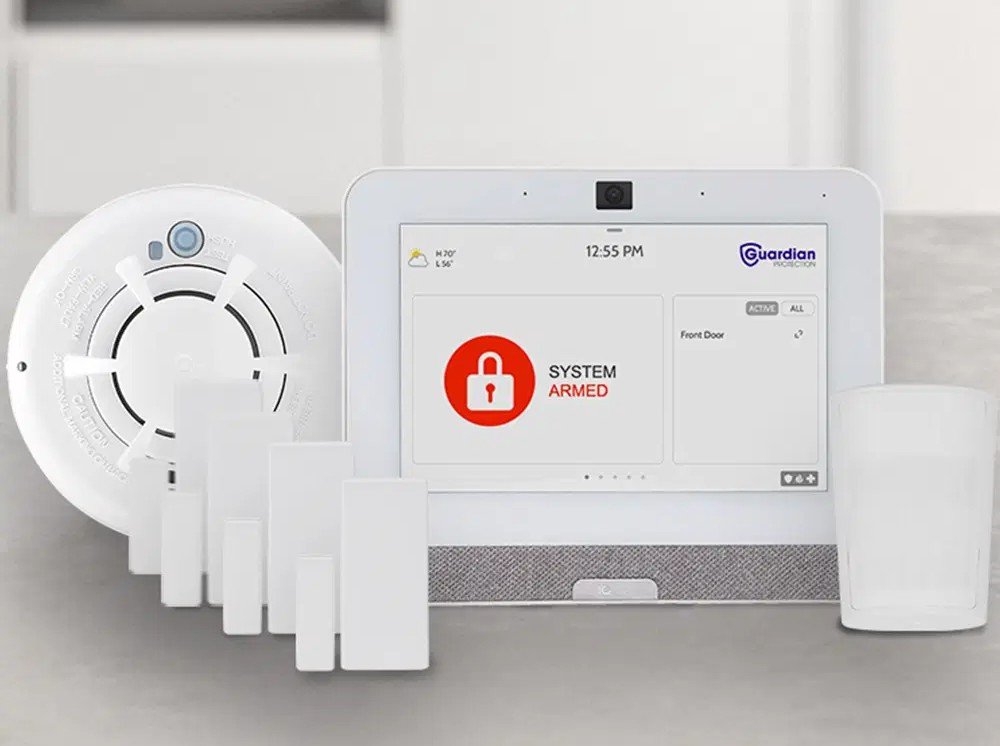
When people talk about buying a home security system, they usually focus on the price or the features. Yet one perspective that often gets overlooked is how the decision changes the way you actually experience your home. It is not just a purchase. It is a shift in the relationship between you and the space you live in. Reviewing different home security systems packages can open your eyes to how varied these options really are, which makes it easier to choose a system that fits both your comfort level and your daily routine.
In many ways, investing in security is really about investing in awareness. Once you begin comparing equipment, monitoring services, and smart home integrations, you start to think differently about how your household operates. You notice the vulnerable entry points you used to overlook or the times of day when your home feels most exposed. Even the budgeting process becomes a way of prioritizing what you value. For some people, that means remote access and instant alerts. For others, it means strong data protection and dependable customer support.
The cost conversation is important, but it is deeper than the number on the bill. Much like planning for insurance, the real value comes from whether the system fits your lifestyle. You are not comparing just cameras or sensors. You are comparing the feeling of coming home at night, the confidence of knowing your system is working when you are away, and the trust you place in the technology watching over your space.
Understanding Value Beyond the Price Tag
Many homeowners start with the assumption that security systems are expensive. While costs can vary widely, the range of options gives nearly everyone an entry point. What ultimately matters is how the system supports your peace of mind. The Federal Trade Commission offers helpful guidance on how to evaluate smart devices and their privacy protections, which is increasingly important for families using interconnected systems. YWhen you look past the initial investment, you also begin to see long term benefits. Some systems reduce insurance premiums. Others increase property appeal because buyers like knowing the home already has a modern security setup. Even if you are not planning to sell anytime soon, that added market value can make the investment feel more practical and less like a luxury.
What usually surprises homeowners is how much a security system changes their sense of control. Instead of worrying about what happens while you are gone, you gain the ability to check in from anywhere. Instead of hoping nothing goes wrong overnight, you know your system is watching for movement, open doors, or unexpected activity. These are not just features. They are shifts in your experience of safety.
How Personal Habits Shape the Right Choice
Choosing a security system is personal because every household functions differently. Some families want constant awareness. Others prefer systems that operate quietly in the background. Your daily habits influence everything from the type of equipment you choose to the way you organize your monitoring schedule.
For example, if you travel frequently, remote access becomes essential. If you have pets, you might favor cameras that can distinguish between normal movement and potential risks. If you work from home, you might prioritize privacy controls or more selective alert settings. Thinking through these everyday details allows you to select features that truly matter rather than paying for functions you will never use.
Another element to consider is digital security. The increasing use of mobile apps and cloud storage means your system protects more than your physical entrances. It also protects your data. Organizations such as the Cybersecurity and Infrastructure Security Agency provide practical advice on safeguarding connected systems. While these guidelines apply broadly, they offer valuable context for anyone choosing a modern security setup.
Creating a More Confident Living Environment
A well-chosen security system does more than prevent break ins. It changes the way you move through your home. Small habits evolve. You might check your system status before bed or glance at the app when you leave for the day. Over time, these actions become part of your routine in a way that enhances peace of mind without adding stress.
This environment of confidence is especially valuable for families with children or aging relatives. Knowing that alerts, sensors, and monitoring services work together gives everyone a stronger sense of stability. Even households without major concerns benefit from the reassurance that their space is being watched carefully.
The adaptability of modern systems also means your investment continues to grow with you. You can start small and expand as your needs change. Add sensors later. Upgrade cameras. Integrate new smart home devices. This flexibility ensures that your system never becomes outdated or mismatched with your lifestyle.
Looking at Security as a Long-Term Partnership
Once your system is in place, it becomes a partnership rather than a passive product. You rely on it to work consistently, and it relies on you to update settings, test components, and stay aware of new features. This balance is what makes the investment worthwhile. You gain peace of mind because you actively engage with the tools that protect your home.
It is also important to revisit your system occasionally. As your household evolves, your security needs may shift. Maybe you start a new job that keeps you away more often. Maybe your kids become old enough to come home alone. Maybe you adopt a pet. Each of these changes might call for a simple update or an additional device.
Ultimately, investing in a home security system is about more than protection. It is about thoughtfully shaping the way you live in your space. It is a commitment to creating an environment where comfort, safety, and confidence work together. When you choose a system that matches your needs and your budget, you are not just securing your home. You are enhancing the everyday experience of living in it.