How to Prepare Your Home for Natural Disasters in Central Georgia
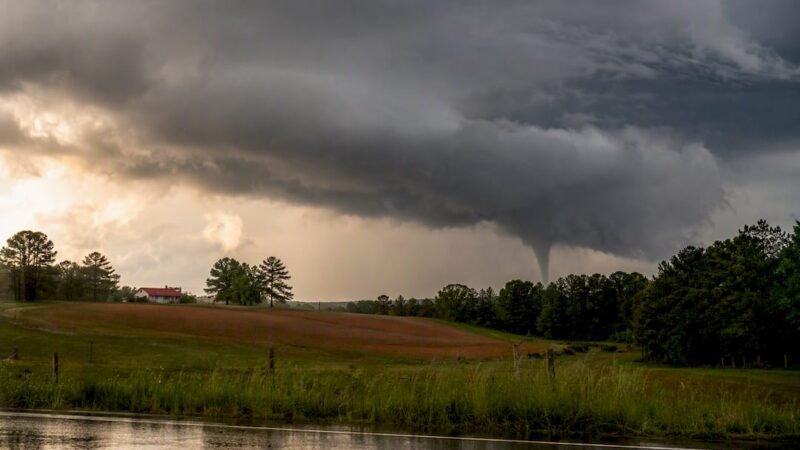
Preparing your home for a natural disaster in Central Georgia means completing systematic safety checks, assembling emergency supplies, and establishing a clear family communication plan before severe weather arrives. The Georgia Emergency Management and Homeland Security Agency (GEMA) and the American Red Cross both define emergency readiness as a three-part standard: physical home protection, supply preparation, and practiced response plans. Central Georgia residents face peak storm risk from june through august, when severe thunderstorms, tornadoes, and flash flooding are most likely. Starting preparations before that window closes is the difference between a manageable event and a costly recovery.
How to prepare your home for natural disasters in Central Georgia
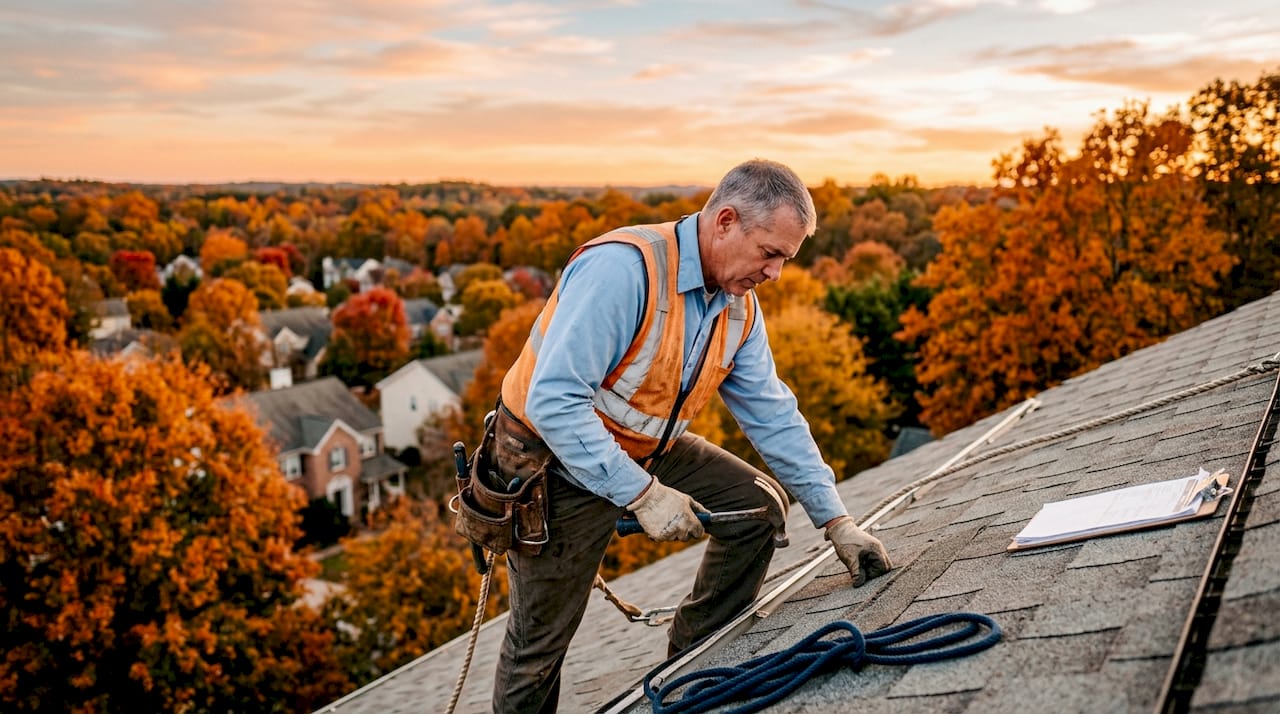
The most overlooked step in home protection is the roof. A professional roof inspection costs around $200 and can prevent repairs exceeding $10,000 after a major storm. That cost difference makes pre-season inspection one of the highest-return actions any Central Georgia homeowner can take. Inspectors check for missing shingles, cracked flashing, and weakened fascia boards that fail under high winds.
Gutters and downspouts are the second line of defense. Clogged gutters force water against the roofline and foundation, accelerating damage during heavy rain. Downspouts must extend at least 6 feet from the foundation to prevent basement flooding. Many homeowners install downspout extensions for under $20, yet skip this step entirely.
Sump pumps protect basements and crawl spaces from flooding, but they fail when the power goes out. Battery backup systems for sump pumps are critical because power outages during Central Georgia storms are common. Test the pump before june by pouring water into the pit and confirming the float switch activates. A pump that fails during a storm can result in thousands of dollars in water damage.
Sealing windows and doors prevents water intrusion during driving rain. Use weatherstripping on door frames and silicone caulk around window edges. Check for gaps where utility lines enter the home, as these are frequent water entry points. Clearing trees and large shrubs within 10 feet of the structure also reduces the risk of debris impact during high winds.
Key home maintenance checklist:
- Inspect the roof for missing shingles, cracked flashing, and damaged fascia
- Clean gutters and extend downspouts at least 6 feet from the foundation
- Test the sump pump and install a battery backup unit
- Seal windows, doors, and utility entry points with weatherstripping and caulk
- Trim trees and remove dead branches within striking distance of the home
- Secure or store outdoor furniture and equipment before storm season
Pro Tip: Schedule your roof inspection and gutter cleaning in april or may, before the june–august peak risk period. Contractors book quickly once storm season begins, and waiting means paying premium rates or going without service.
What should go in your emergency kit?
Emergency preparedness experts define two distinct kit types: a 3-day evacuation kit and a 2-week stay-at-home supply cache. Households need both because evacuation and shelter-in-place scenarios require different quantities and item types. Treating them as one kit leaves families underprepared for extended outages or mandatory shelter orders.
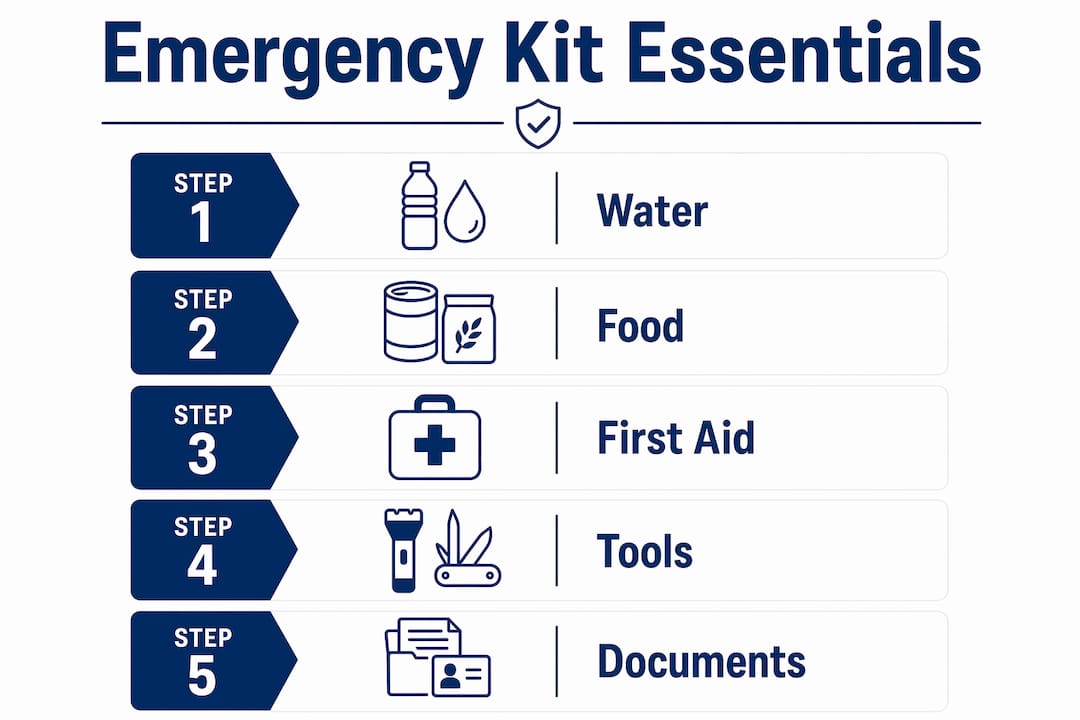
The 3-day evacuation kit should be portable and ready to grab within minutes. The 2-week stay-at-home supply addresses prolonged power outages, road closures, and disrupted supply chains. Both kits share a core set of items, but the stay-at-home version requires significantly larger quantities of food and water.
Build your kits in this order:
- Water: Store one gallon per person per day. A family of four needs 12 gallons for evacuation and 56 gallons for a 2-week stay-at-home supply.
- Non-perishable food: Select items that require no cooking, such as canned goods, peanut butter, and granola bars. Rotate stock every 6 months.
- Medications: Maintain a 30-day supply of all prescription medications. Pharmacies may be inaccessible for days after a major storm.
- Flashlights and batteries: Pack at least two flashlights with extra batteries. LED models last significantly longer per battery charge.
- Battery-powered or hand-crank radio: A NOAA weather radio receives emergency alerts when cell networks fail.
- First-aid kit: Include bandages, antiseptic wipes, pain relievers, and any personal medical supplies.
- Important documents: Store copies of insurance policies, identification, and medical records in a waterproof bag or sealed container.
- Pet supplies: Include food, water, medications, and a carrier for each pet. Many evacuation shelters do not accept animals.
Pro Tip: Store your evacuation kit in a single backpack or rolling bag near an exit. Review and restock both kits every january and july to catch expired items and replace used supplies.
Does your family have a practiced safety plan?
A written plan that no one has practiced provides little protection during an actual emergency. The American Red Cross states that practicing drills and identifying a designated safe room are both required steps. Simply knowing a plan exists is not sufficient. Families need to rehearse it until the response is automatic.
Core elements of a functional family safety plan:
- Designate a safe room: Select an interior room without windows on the lowest floor for tornado shelter. Bathrooms and closets in the center of the home work well. The American Red Cross specifically recommends this configuration for Central Georgia residents facing tornado risk.
- Establish out-of-area contacts: Choose one person outside Central Georgia as the family’s primary communication point. Local phone lines often overload during disasters, but out-of-area calls may connect more reliably.
- Set two meeting points: Identify one location near the home and one farther away in case the neighborhood is inaccessible.
- Practice twice a year: Run a full drill in the spring before storm season and again in the fall. Include all household members, including children and elderly residents.
- Incorporate neighbors: Neighborhood cooperation provides a critical safety buffer when emergency services are overwhelmed. Share contact information with at least two neighboring households and agree on a check-in protocol after severe weather.
GEMA advises residents to test smoke and carbon monoxide alarms, secure outdoor items, and maintain a 3-day nonperishable supply at all times. The agency’s guidance is direct: “Don’t panic. Just prepare.” That standard applies equally to communication plans and physical home readiness.
Why insurance and documentation matter before a disaster
Home and flood insurance gaps cause more financial hardship after disasters than the physical damage itself. New flood insurance policies carry a mandatory 30-day waiting period before coverage activates. Purchasing a policy the day before a named storm provides no protection. Central Georgia residents should review their coverage well before june.
Steps to protect your financial recovery:
- Review your current policy: Confirm whether your homeowner’s policy covers wind damage, flooding, and debris removal. Most standard policies exclude flood damage entirely.
- Purchase flood insurance early: Contact the National Flood Insurance Program (NFIP) or a licensed agent at least 30 days before storm season. The waiting period is non-negotiable.
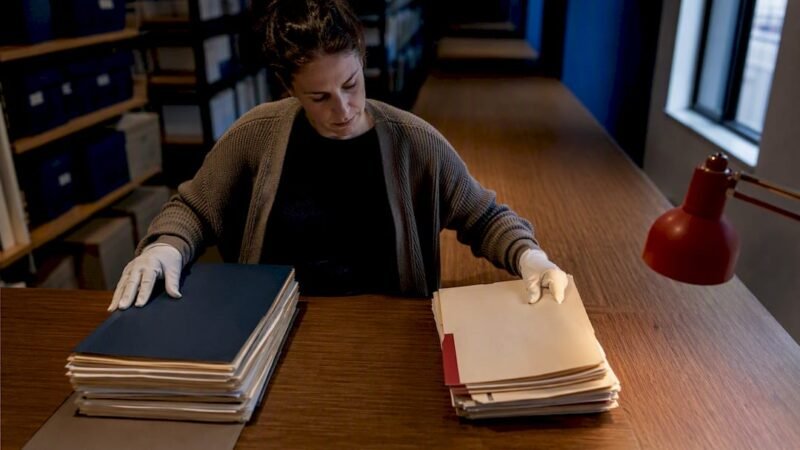
- Document all possessions: Walk through your home with a phone camera and record every room, closet, and storage area. Upload the video to a cloud storage service so it remains accessible even if your home is destroyed.
- Know your deductible: Many Georgia homeowners carry separate wind and hail deductibles that are higher than their standard deductible. Confirm the exact amount before filing a claim.
- Keep a claims contact list: Store your insurance company’s claims phone number, policy number, and agent contact in your evacuation kit and in a cloud-accessible document.
| Documentation task | Why it matters |
|---|---|
| Video home inventory | Proves ownership and condition of possessions for claims |
| Cloud-stored policy copies | Accessible even if physical documents are lost or destroyed |
| Flood insurance purchase date | Confirms 30-day waiting period has passed before storm season |
| Deductible confirmation | Prevents surprise out-of-pocket costs after filing a claim |
Key Takeaways
Effective disaster preparedness in Central Georgia requires completing home maintenance checks, assembling both a 3-day evacuation kit and a 2-week stay-at-home supply, and practicing a family safety plan before the june–august peak risk period.
| Point | Details |
|---|---|
| Inspect before storm season | Schedule roof and gutter checks in april or may to catch issues before peak risk months. |
| Build two separate kits | A 3-day evacuation kit and a 2-week stay-at-home supply address different emergency scenarios. |
| Practice the family plan | Drills twice a year make emergency responses automatic rather than reactive. |
| Buy flood insurance early | The 30-day waiting period means last-minute purchases provide no coverage during storm season. |
| Document possessions now | A video home inventory uploaded to cloud storage protects your insurance claim before damage occurs. |
Why community preparedness is the missing piece
Most disaster preparedness guides focus on individual households. That framing misses a critical reality: neighbors are often the first responders.
After covering emergency management stories across Central Georgia for years, I have seen one pattern repeat itself. Households that prepared in isolation fared worse than those with active neighborhood networks. When roads flood and emergency services are stretched thin, the family next door becomes the most reliable resource available. The Macon-Bibb EMA mitigation plan reflects this directly, identifying neighborhood cooperation as a primary safety buffer when official response is delayed.
Preventive home maintenance is also a financial strategy that most residents undervalue. A $200 roof inspection is not an expense. It is insurance against a $10,000 repair bill. Routine sealing, debris removal, and gutter cleaning prevent the cycle of emergency repairs that drains household budgets after every major storm. The residents I have spoken with who avoided serious damage after recent Central Georgia storms all shared one trait: they treated maintenance as a recurring calendar item, not a reaction to damage.
My recommendation is to attend at least one local preparedness event each year. Thecentralgeorgian covers nonprofit preparedness events and community safety fairs across the region. These events connect residents with GEMA representatives, Red Cross volunteers, and neighbors who share practical knowledge that no guide fully captures. Preparedness is not a solo project.
— Ernie
Thecentralgeorgian keeps Central Georgia residents informed and ready
Thecentralgeorgian provides ongoing coverage of public safety alerts, emergency preparedness updates, and community events across Macon, Middle Georgia, and surrounding areas. When storm season approaches, the platform publishes timely reports on local risk conditions, shelter locations, and official guidance from GEMA and county emergency management offices.
Residents can also find coverage of local nonprofit events that include emergency preparedness fairs, first-aid training sessions, and community resource drives. These events are listed and reported on the Thecentralgeorgian platform as they are announced. Staying connected to Central Georgia news means receiving the alerts and updates that matter before, during, and after severe weather events.
FAQ
What are the peak months for natural disasters in Central Georgia?
The peak risk period for severe thunderstorms, tornadoes, and flash flooding in Central Georgia runs from june through august. Homeowners should complete all maintenance checks and supply preparations before june begins.
How much water should a Central Georgia family store for emergencies?
Store one gallon of water per person per day. A 3-day evacuation supply requires 3 gallons per person, while a 2-week stay-at-home supply requires 14 gallons per person.
Does standard homeowner’s insurance cover flood damage in Georgia?
Standard homeowner’s insurance policies typically exclude flood damage. Residents must purchase a separate flood insurance policy through the National Flood Insurance Program, and the mandatory 30-day waiting period means coverage cannot be added at the last minute.
What room is safest during a tornado in Central Georgia?
The American Red Cross recommends an interior room without windows on the lowest floor of the home, such as a bathroom or closet in the center of the structure. Avoid rooms with exterior walls or windows.
How often should families practice their emergency safety plan?
The American Red Cross recommends practicing the family safety plan at least twice a year. Running drills in the spring before storm season and again in the fall keeps all household members prepared and accounts for any changes in the household.