Lavonia Man Charged With Money Laundering, Destroying Evidence in ISIS Case

MACON, Georgia – A Lavonia man is in federal custody on charges of international money laundering and destruction of evidence after an FBI investigation into money sent to people and groups tied to the Islamic State of Iraq and al Sham, known as ISIS, a designated foreign terrorist organization.
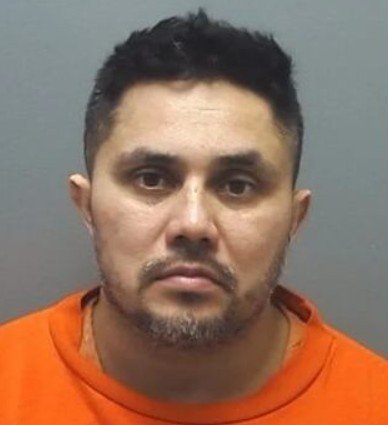
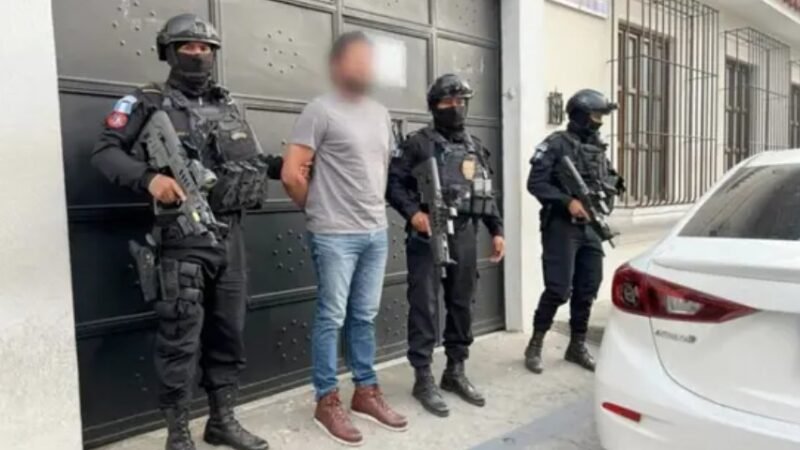
FBI agents arrested 34-year-old Younes Moustafa Younes of Lavonia on Wednesday, November 18. He made his first appearance in federal court in Macon before U.S. Magistrate Judge Charles Weigle and will stay in custody until his preliminary and detention hearings, set for Monday, November 23, in Macon.
What the complaint says
Prosecutors charged Younes by criminal complaint with one count of international money laundering and one count of destruction of evidence. The complaint says investigators believe he sent more than $26,000 to people and groups connected to ISIS.
According to the complaint, Younes sent $16,807 in cryptocurrency transactions between December 2025 and June 2026. He used multiple phone numbers and accounts meant to hide his identity, the complaint says. Investigators say at least some of that money was meant to promote ISIS efforts in Syria.
The complaint also describes 11 separate transactions between December 2021 and April 2022. Investigators say Younes sent about $9,206 to cryptocurrency addresses tied to the same effort and used an alias to hide his support.
Phones and shredded papers found in apartment
The destruction of evidence count stems from what agents found when FBI Atlanta agents served search warrants on November 18. The warrants covered Younes’ apartment, car, electronic devices and workplace.
Inside the Lavonia apartment, agents found three cellphones submerged in an unknown solution. One phone was smashed, and another had its identification number removed. Agents also found shredded documents submerged in an unknown solution in a bathtub.
Investigators say Younes altered and destroyed evidence up until the moment of his arrest.
Investigation dates to 2020
The FBI first identified Younes in 2020, after investigators say he accessed ISIS propaganda online. He told law enforcement during an interview that he had viewed the material but denied supporting extremist ideologies.
The complaint says he became increasingly radicalized over time. It says he expressed support for ISIS and other terrorist figures and organizations in encrypted communications with associates. Those messages show him sharing extremist content, discussing support for ISIS and praising people tied to terrorist groups, according to the complaint.
In September 2022, Younes flew to Turkey on a one-way ticket and stayed about two years, the complaint says. Investigators say he sold his vehicle, cashed out retirement funds and left his job in the United States before the trip.
Turkey later arrested him and deported him to the United States. Investigators say he continued to express support for extremist causes after his return and kept in touch with people previously convicted on terrorism-related charges.
Penalties
International money laundering carries a maximum of 20 years in prison, three years of supervised release and a $500,000 fine. Destruction of evidence carries a maximum of 20 years in prison, three years of supervised release and a $250,000 fine.
The charges in the complaint are accusations. Younes is presumed innocent unless and until prosecutors prove his guilt in a court of law.
FBI Atlanta is investigating, with help from FBI Newark and the National Counterterrorism Center. Criminal Chief Leah McEwen and Assistant U.S. Attorney Daniel Peach of the Middle District of Georgia U.S. Attorney’s Office are prosecuting the case, along with the Justice Department’s Counterterrorism Section of the National Security Division.