
The Connection Between Mindful Spending and Emotional Awareness
Most conversations about money focus on numbers. Budgets, interest rates, income, savings goals. But if you look closely at your bank statement, it reads less like a spreadsheet and more like a diary. Every purchase captures a moment. A stressful afternoon. A celebration. A lonely evening. A burst of motivation that did not last.
That is where mindful spending and emotional awareness intersect. When people struggle with credit cards or start exploring options like debt settlement, the root issue is often not math. It is emotion. Mindful spending asks you to slow down and choose deliberately. Emotional awareness asks you to recognize what you are feeling before you act. Together, they change the way money moves through your life.
Instead of treating spending like a discipline problem, what if we treated it like an emotional skill set? That shift changes everything.
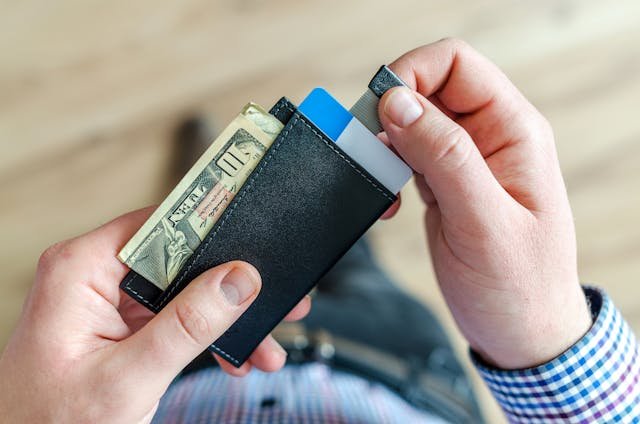
Your Wallet as an Emotional Mirror
Think about the last time you bought something you did not plan for. Was it boredom? Stress? A desire to reward yourself after a hard day?
Research into mindfulness practices, such as the work highlighted by the American Psychological Association on the benefits of mindfulness, shows that pausing to observe your thoughts reduces automatic reactions. When applied to money, that pause becomes powerful. Instead of swiping your card immediately, you notice the feeling driving the urge.
Mindful spending is not about deprivation. It is about awareness. Emotional awareness turns spending into information. If you feel anxious and reach for online shopping, that is data. If you feel inadequate and buy something to impress others, that is data too.
Your spending habits reveal patterns in your emotional life. Most of us just never look at them that way.
Impulse Buying Is Often Emotional Regulation
We like to believe we are rational consumers. In reality, many purchases are attempts to regulate emotion. Retail therapy is not just a phrase. It reflects a real behavior pattern.
When you feel stressed, your brain looks for relief. A small purchase can provide a quick hit of excitement or control. The problem is that the relief is temporary. The bill remains.
The Consumer Financial Protection Bureau discusses how emotional triggers can affect financial decision making and budgeting choices. When emotions go unrecognized, they quietly drive behavior. You might believe you deserve a reward after a tough week. You might fear missing out on a sale. You might want to avoid thinking about a larger financial problem.
Mindfulness interrupts this cycle. It inserts a question between feeling and action. What am I feeling right now? Is this purchase solving the real issue?
That brief reflection can prevent a chain reaction of spending that later becomes financial stress.
The Pause That Changes Outcomes
Imagine this simple scenario. You have had a frustrating day at work. On the way home, you stop at a store and consider buying something expensive that you had not planned for.
Without emotional awareness, the story goes like this. I deserve this. I have worked hard. It is on sale. I will figure it out later.
With emotional awareness, the story changes. I am frustrated. I want relief. Buying this feels like a quick solution. Is there another way to feel better?
The purchase might still happen. Mindful spending does not forbid enjoyment. But now it is a conscious decision rather than an emotional reflex.
Over time, this habit strengthens. You begin to notice patterns. Maybe Sunday nights trigger anxiety spending. Maybe social media scrolling leads to comparison purchases. Once you see the pattern, you can address the real emotion instead of masking it with a transaction.
Financial Control Starts With Self Awareness
Many financial plans fail not because they are unrealistic, but because they ignore emotion. A strict budget that does not account for stress or joy will eventually crack. Emotional awareness allows you to design a spending plan that reflects your real life. If you know you tend to spend when lonely, you can plan alternative coping strategies. If you know celebrations lead to overspending, you can set a specific celebration budget.
This approach is more compassionate and more sustainable. You are not punishing yourself for being human. You are learning how your emotional system interacts with money. In fact, mindful spending often improves overall mental clarity. When you are not carrying guilt about impulse purchases, you free up cognitive energy. Financial control feels less like restriction and more like alignment.
Mindful Spending Is a Daily Practice
It helps to think of mindful spending as a practice rather than a one time fix. Like meditation or journaling, it strengthens with repetition. Start small. Before any non essential purchase, pause for ten seconds. Identify the dominant emotion. Name it clearly. Stress. Excitement. Boredom. Envy. Relief. Then ask one follow up question. Will this purchase support my long term well being, or is it a short term emotional response?
You do not need to be perfect. Even partial awareness reduces impulsive behavior. Over time, those small pauses add up to significant financial impact. You might also track purchases alongside emotions for a month. Not to judge yourself, but to observe. Patterns often emerge quickly. That awareness alone can shift behavior without any additional rules.
Reframing Money as Emotional Literacy
The deeper connection between mindful spending and emotional awareness is about literacy. We are taught to read and write, but rarely taught to identify and process emotions. Money becomes one of the languages through which those unprocessed feelings speak.
When you develop emotional awareness, spending becomes less reactive. You are no longer chasing feelings through transactions. Instead, you make choices that reflect your values and priorities.
This perspective reframes financial growth. It is not only about increasing income or reducing debt. It is about increasing clarity. You understand why you spend, not just how much you spend. And that clarity builds confidence. When emotions no longer control your wallet, financial decisions feel calmer and more intentional.
The Real Reward
The ultimate reward of mindful spending is not just better bank balances. It is emotional steadiness. When you separate feelings from automatic spending, you discover healthier ways to respond to stress, boredom, and celebration. You create space between impulse and action. In that space, choice lives.
Over time, that choice compounds. Just like interest. Mindful spending and emotional awareness are not separate skills. They are two sides of the same practice. One guides your behavior. The other reveals the reason behind it. Together, they transform money from a source of stress into a tool for alignment.
Your wallet will still tell a story. The difference is that now, you are the author.