
Georgia Attorney General Leads 19-State Coalition Defending Use of License Plate Readers
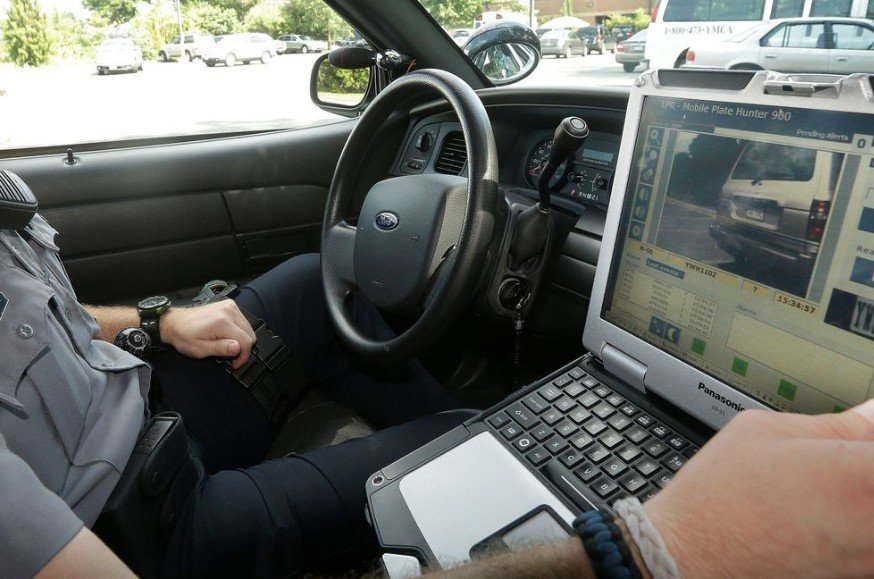
ATLANTA, Ga. – Georgia Attorney General Chris Carr is leading a coalition of attorneys general from 19 states seeking to preserve law enforcement access to automatic license-plate readers (ALPR), a technology officials say plays a key role in solving serious crimes.
Carr announced the coalition filed a legal brief in the case Shannon Schemel, et al., v. City of Marco Island, Florida, arguing that state and local governments are permitted to use automated license-plate reader systems to enhance public safety and assist criminal investigations.
“The evidence is clear – automatic license-plate readers help to capture some of society’s most violent criminals, who have no business being out on the streets,” Carr said. “We have a basic duty to keep our states and our communities safe.”
Automatic license-plate readers allow agencies across jurisdictions to share information and coordinate investigations. According to the brief, more than 20 states, including Georgia, have enacted laws regulating how law enforcement agencies use the technology.
The filing cites several recent investigations in which the systems aided law enforcement, including the rescue of a missing child after a vehicle associated with the case triggered an alert, coordination between Georgia and Ohio authorities that led to a murder arrest, arrests following a DeKalb County gas station shooting that injured a toddler, and the capture of a suspect wanted on sex trafficking and child molestation charges in Lawrenceville.
The lawsuit challenges the constitutionality of license-plate reader use under the Fourth Amendment. The coalition argues that federal courts have repeatedly rejected similar claims and urged the U.S. Court of Appeals for the Eleventh Circuit to uphold the legality of the technology.
The brief states that removing the tool from law enforcement could hinder investigations and reduce public safety, asserting that the Constitution does not prohibit its use.
Attorneys general joining the Georgia-led coalition represent Alaska, Alabama, Arkansas, Indiana, Iowa, Kansas, Louisiana, Missouri, Nebraska, North Dakota, Ohio, Pennsylvania, South Carolina, South Dakota, Tennessee, Texas, Utah, and West Virginia.