Former Federal Correctional Officer Convicted in Prison Drug Smuggling Scheme at USP Atlanta
ATLANTA — A former federal correctional officer has been convicted for orchestrating a complex drug smuggling operation inside a federal prison, using a hidden passageway and inmate labor to move narcotics and contraband throughout the facility.
Patrick Shackelford, 51, of Senoia, Georgia, was found guilty following a six-day federal trial and was taken into custody immediately after the verdict on April 2.
Smuggling Operation Used Secret Passage in Visitation Area
According to evidence presented in court, Shackelford conspired with multiple inmates from June 2018 through February 2019 to smuggle drugs and other prohibited items into the U.S. Penitentiary in Atlanta.
Shackelford, who served as both a correctional officer and plumbing supervisor, oversaw inmate workers and used that position to facilitate the scheme. Investigators said he informed inmates about a hidden room and “voided area” adjacent to the prison’s visitation section.
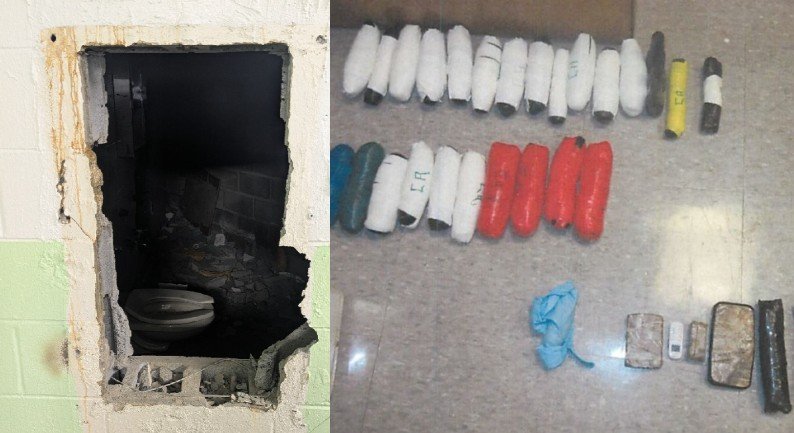
Under the guise of performing plumbing repairs, inmates used tools such as a sledgehammer and power drill to break into the hidden space. They then created a small concealed opening beneath a restroom sink in the visitation area.
Visitors would bring tightly wrapped packages of contraband during weekend visits and pass them through the hole into the hidden area. From there, inmates retrieved the packages and transported them across the prison using plumbing carts to avoid detection.
Drugs Hidden in Office Ceiling, Moved Through Prison
Authorities said Shackelford allowed inmates to store contraband in restricted areas, including inside the ceiling of an empty staff office next to his workspace. Inmates were not authorized to access these areas, but Shackelford routinely unlocked the office, which became known among them as “Jamie’s office.”
He also escorted inmates through security checkpoints, enabling them to deliver drugs and other items to different housing units.
The operation brought in large quantities of contraband, including methamphetamine, marijuana, synthetic drugs, tobacco, and cell phones.
Payments, Inmate Cooperation, and Large Seizure
In exchange for his role, Shackelford received $5,000 in cash and pain pills from one of the inmates involved. That same inmate crew also completed plumbing assignments on his behalf.
Investigators said one inmate paid nearly $20,000 through Cash App to support the operation and fund the bribes.
The scheme unraveled in February 2019 when prison officials discovered a large cache of contraband hidden in the ceiling of the plumbing office. The seizure included more than a pound of 100% pure methamphetamine, over a kilogram of marijuana, synthetic drugs, tobacco, and multiple cell phones—one of the largest contraband finds in the prison’s history.
Co-Conspirators Pleaded Guilty
Several inmates connected to the operation have already pleaded guilty to federal charges, including bribery and possession of prohibited objects inside a federal prison.
Sentencing Ahead
Shackelford faces a mandatory minimum sentence of 10 years in federal prison without the possibility of parole. He is scheduled to be sentenced on July 20, 2026.
The case was investigated by the FBI and the U.S. Department of Justice Office of Inspector General, with federal prosecutors handling the case.